Leash walks shouldn’t be a struggle. These easy tips transform pulling, frustration, and chaos into calm, enjoyable walks together.
Your dog spots a squirrel. Suddenly, you’re water skiing down the sidewalk while your neighbor watches in amusement. Sound familiar? If walks feel more like extreme sports than relaxing strolls, you’re not alone. Thousands of dog owners battle the leash struggle every single day, turning what should be enjoyable bonding time into a test of upper body strength.
But here’s the good news: walking your dog doesn’t have to involve shoulder dislocations or public embarrassment. With the right techniques and a bit of patience, you can transform those chaotic outings into the peaceful walks you’ve always imagined. Let’s dive into six game changing tips that’ll have you and your pup strolling like pros.
1. Choose the Right Equipment (Because Size Actually Matters)
Let’s talk gear. You wouldn’t run a marathon in flip flops, and your dog shouldn’t walk in equipment that sets them up for failure. The tool you choose can either encourage good behavior or accidentally reward the very pulling you’re trying to stop.
Harnesses vs. Collars: This debate gets heated, but here’s the reality. Standard collars can put pressure on your dog’s trachea when they pull, which can cause serious health issues over time. Front clip harnesses, on the other hand, redirect your dog’s momentum when they lunge forward, naturally discouraging pulling without any discomfort.
Retractable leashes might seem convenient, but they’re actually teaching your dog that pulling creates more freedom. A standard four to six foot leash gives you better control and clearer communication. Think of it as the difference between texting and having a face to face conversation.
| Equipment Type | Best For | Avoid If |
|---|---|---|
| Front Clip Harness | Dogs who pull, better control | Dog has shoulder injuries |
| Back Clip Harness | Small dogs, dogs who don’t pull | Dog is a strong puller |
| Flat Collar | Well trained dogs, ID tag holder | Dog pulls constantly, has breathing issues |
| Martingale Collar | Dogs who slip collars easily | You rely on corrections |
| Retractable Leash | Open spaces with trained dogs | Teaching loose leash walking, busy areas |
The right equipment makes everything else easier. It’s your foundation. Get this wrong, and you’re building your training on quicksand.
2. Master the Art of Being Boring (Yes, Really)
Here’s a counterintuitive truth: the more reactive you are to pulling, the more interesting pulling becomes to your dog. Every time you yell “NO!” or yank back on the leash, you’re actually engaging with the behavior. To your dog, any attention is good attention.
Instead, become the world’s most boring statue. When your dog pulls, stop walking immediately. Don’t move. Don’t speak. Don’t make eye contact. Just… stop. The second the leash goes slack, even for a moment, start walking again. This technique, called “red light, green light,” teaches a simple equation: pulling makes the walk stop, loose leash makes the walk continue.
The walk itself is the reward. When you stop moving every time your dog pulls, you transform the thing they want most (forward motion) into the consequence of good behavior rather than the reward for bad behavior.
It feels awkward at first. You might move three feet in five minutes. Your neighbors might think you’ve lost your mind. Do it anyway. Consistency here pays dividends that last a lifetime. Most dogs figure out the pattern within a few sessions if you don’t give in, even once.
Pro tip: Start this training in your driveway or a quiet area before tackling the chaos of a busy street. Set yourself up for success by reducing distractions while your dog learns the rules.
3. Ditch the Death Grip (Your Hands Will Thank You)
White knuckles wrapped around the leash handle? That’s a sign you’re working too hard. When you clutch the leash with a death grip, you create constant tension that your dog feels and responds to. That tension travels down the leash like an electric current, putting your pup on high alert.
Try this instead: Hold the leash handle loosely in one hand, with your arm relaxed at your side. Let there be a gentle “J” shape to the leash, not a taut line. This posture communicates calm confidence rather than anxious control.
Your body language speaks volumes. Leaning forward? You’re chasing. Leaning back? You’re being dragged. Stand up straight, shoulders back, and walk with purpose. Dogs are masters at reading body language, and they’ll mirror your energy. If you’re tense, they’ll be tense. If you’re relaxed (but confident), they’ll follow suit.
When you need to give your dog information through the leash, use quick, gentle pulses rather than sustained pressure. Think of it like tapping someone on the shoulder to get their attention rather than grabbing their arm and pulling. Small signals, big results.
4. Create a Pre Walk Ritual (Because Excitement Management is Everything)
The chaos often starts before you even leave the house. Your dog sees you grab the leash and loses their entire mind, spinning in circles, barking, jumping on the door. You’re already frustrated before the walk begins, and your dog is so amped up they couldn’t focus if their life depended on it.
Break this cycle with a mandatory calm down ritual. Before the walk happens, your dog must sit calmly while you attach the leash. If they get up, you put the leash down and wait. No scolding needed. Just patience. The door doesn’t open until your dog is sitting (or standing calmly, depending on their training level).
Every walk begins before you step outside. The energy your dog brings to the threshold sets the tone for everything that follows. A dog who explodes through the doorway will explode down the sidewalk.
This might add five or ten minutes to your walk initially, but it’s an investment. Teaching door manners and pre walk calmness creates a dog who understands that excitement doesn’t earn privileges; calm behavior does. Within a week or two, most dogs start offering the calm behavior automatically because they’ve learned it’s the fastest route to what they want.
Bonus benefit: This ritual also serves as a mental check in, helping your dog shift from house mode to walking mode. It’s like a meditation practice before exercise.
5. Pay Attention to Your Dog (Before They Demand It)
Most pulling happens because dogs are trying to get to something interesting. That squirrel. That smell. That other dog. By the time your dog is in full lunge mode, you’ve already lost the game. The secret is catching the distraction before the reaction.
Watch your dog’s body language constantly. Ears perked forward? Head turning? Pace quickening? These are early warning signs that your dog has noticed something. This is your window to intervene with a happy “Let’s go!” and a quick change of direction, or by calling your dog’s name and rewarding them for looking back at you.
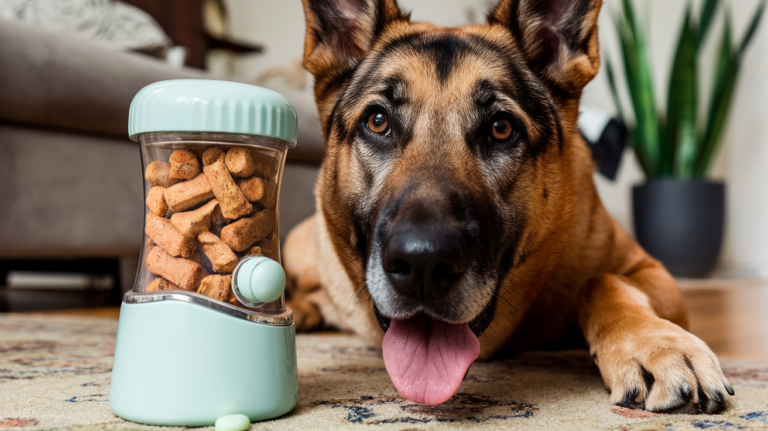
Make yourself more interesting than the environment. Bring tiny, high value treats (think real chicken, cheese, or hot dog pieces, not boring kibble) and reward your dog randomly throughout the walk for checking in with you. You’re not bribing them to behave; you’re building a habit of attention.
Play the “check in” game: Say your dog’s name in a cheerful voice. When they look at you, mark it with a “yes!” and immediately give them a treat. Do this twenty times per walk in the beginning. Soon, your dog will start offering eye contact automatically because they’ve learned you’re a walking treat dispenser.
The more your dog practices looking at you instead of fixating on distractions, the easier every walk becomes. Attention is a skill, and like any skill, it improves with practice.
6. Remember That Perfect Walks Take Time (And That’s Okay)
Let’s get real for a moment. You’re not going to read this article, implement these tips once, and suddenly have a perfectly behaved walking companion. Training takes time, repetition, and more patience than you think you have (but you do have it, I promise).
Different dogs learn at different speeds. A calm, food motivated golden retriever might master loose leash walking in two weeks. A high energy, reactive terrier might take three months. Neither dog is better or worse; they simply have different learning curves and different genetics pushing their behavior.
Celebrate small victories. Did your dog make it to the end of the driveway without pulling? Win. Did they walk past one distraction calmly, even though they lost it at the second one? Progress. Training isn’t linear, and comparing your week two dog to someone else’s year two dog is a recipe for frustration.
Also, give yourself permission to have bad days. Maybe you’re tired, or your dog is extra wound up, or it’s hot, or there’s construction making everything weird. Some walks will be disasters, and that’s part of the process. One bad walk doesn’t erase all your progress. Tomorrow is a fresh start.
Consider working with a professional positive reinforcement trainer if you’re feeling stuck. There’s no shame in asking for help. In fact, recognizing when you need guidance is a sign of being a responsible dog owner. A good trainer can spot subtle issues you might miss and provide personalized solutions for your specific dog.
The walk you dream of is possible. It just requires consistency, patience, and the willingness to change your own behavior before expecting your dog to change theirs. You’ve got this, and so does your pup. Now get out there and reclaim your strolls.