Achieve that classic Schnauzer look without the hassle. Follow these steps to give their face a perfect trim every single time.
You’re scrolling through Instagram, admiring perfectly groomed Schnauzers with their crisp lines, fluffy eyebrows, and pristine beards. Then you look at your own pup, whose face fur has seemingly declared independence and is growing in seventeen different directions. The gap between expectation and reality feels… significant.
Good news, though! That show quality Schnauzer look is totally achievable at home. You don’t need magic hands or a grooming school degree. What you do need is the right technique, proper tools, and a little patience. Your Schnauzer’s face is about to get a serious upgrade.
Your Schnauzer’s Facial Structure
Before you pick up a single grooming tool, let’s talk about what makes a Schnauzer’s face unique. These dogs have distinct facial furnishings, which is groomer speak for that fabulous beard, mustache, and eyebrow combo. The coat on their face is naturally wiry and dense, designed to protect them during their original job as ratters and guard dogs.
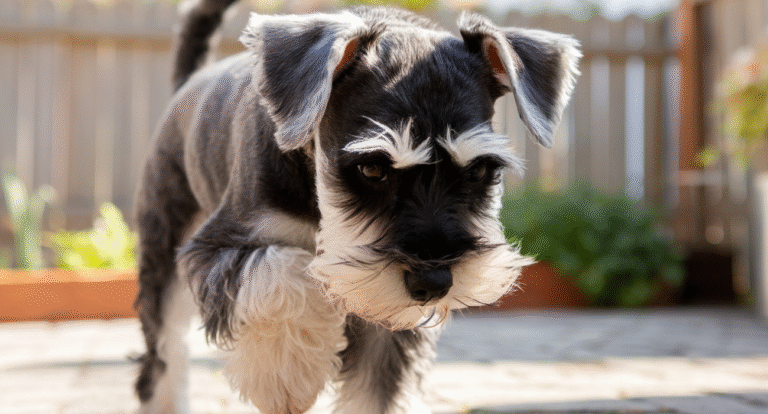
The face has several key zones you’ll need to master: the cheeks, the beard, the eyebrows, and the area around the eyes and ears. Each zone requires different techniques and attention levels. The cheeks should be relatively short and smooth, creating contrast with the longer beard and brows. This contrast is what gives Schnauzers their distinctive rectangular head shape.
Understanding the growth patterns will save you so much frustration. The hair grows outward and downward on the cheeks, forward and downward on the beard, and upward and forward on the eyebrows. Working with these natural directions rather than against them makes everything easier.
Essential Tools for Schnauzer Face Grooming
You can’t build a house without a hammer, and you can’t groom a Schnauzer face without the right equipment. Here’s what you absolutely need in your grooming toolkit:
| Tool | Purpose | Why It Matters |
|---|---|---|
| Thinning shears | Blending and softening lines | Creates natural transitions without harsh edges |
| Straight scissors | Precise trimming of beard and eyebrows | Essential for shaping and detail work |
| Clippers with #10 blade | Cheek and ear trimming | Provides the short, smooth base that makes furnishings pop |
| Metal comb | Detangling and sectioning | Helps you see what you’re actually cutting |
| Slicker brush | Pre-grooming preparation | Removes loose hair and minor tangles |
Invest in quality scissors, seriously. Cheap ones will frustrate you endlessly with their dull blades and awkward handles. Your hands will thank you, and so will your Schnauzer when you’re not tugging at their facial hair like you’re trying to start a lawnmower.
Preparing Your Schnauzer for Face Grooming
This step separates the amateurs from the pros. You wouldn’t start painting a house without prepping the walls, right? Same concept here. Start with a completely dry, brushed out face. Never groom a wet beard unless you want surprise length issues when it dries.
Use your metal comb to work through any tangles in the beard and eyebrows. Be gentle around the sensitive eye area. If you encounter a serious mat, work it out with your fingers first, applying a bit of detangling spray if needed. Cutting out mats should be your last resort because it creates holes in the furnishings that take forever to grow back.
Get your Schnauzer comfortable with face handling long before you introduce scissors near their eyes. Touch their muzzle, ears, and eyebrows during regular petting sessions so grooming doesn’t feel like a betrayal.
Now here’s the pro tip nobody tells you: tire them out first. A twenty minute walk or play session before grooming means you’re working with a calmer, more cooperative dog. It’s the difference between grooming a statue and wrestling an alligator.
Trimming the Cheeks and Ears
Let’s start with the easy part. The cheeks and ears should be trimmed short, creating a clean canvas that makes the beard and eyebrows stand out. Use your clippers with a #10 blade (leaves about 1/16 inch of hair) and work with smooth, confident strokes.
Start behind the ear and move toward the corner of the mouth, following the natural contours of your dog’s face. The line should extend from where the ear leather ends down to the corner of the mouth, creating a diagonal. Keep your clipper blade flat against the skin to avoid gouges or uneven patches.
The top of the head gets clipped too, from between the eyebrows back to where the neck starts. Think of creating a flat plane on top. Under the jaw? Also clipped short, which keeps that distinguished profile looking sharp. The clipped area should create a V shape under the chin, with the beard forming the bottom of that V.
Watch out for the ear leather itself. It’s thin and sensitive, so use extra caution. If your Schnauzer has cropped ears, you’ll clip them entirely. Natural ears get clipped on both sides of the leather, blending into the cheek area.
Shaping the Iconic Beard
Ah, the beard. The crown jewel of Schnauzer grooming. This is where personality really shines through, and where many people get nervous. Deep breath… you’ve got this.
First, comb the beard completely forward and downward. You want to see the full length you’re working with. The beard should be longest at the front of the muzzle and gradually shorter as it moves back toward the throat. This creates that rectangular profile when viewed from the side.
Hold your straight scissors parallel to the beard and trim the bottom edge to your desired length. Most people go for somewhere between the bottom of the chin and mid chest, but this is personal preference. The key is making it even. Keep combing it down between cuts to check your progress.
The beard should never be so long that it drags on the ground or collects every leaf in the neighborhood. Practical length keeps it cleaner and healthier while still looking fabulous.
For the sides of the beard, you want to create a gradual taper. Use your thinning shears to blend where the short cheek hair meets the longer beard. This prevents that harsh line that screams “amateur hour.” Make small cuts, step back, assess, and repeat. You can always trim more, but you can’t glue hair back on.
The mustache area (above the nose) should blend smoothly into the eyebrows. Trim any scraggly hairs that stick out at odd angles, but maintain good length here. This area frames the eyes and contributes to that expressive Schnauzer look everyone loves.
Perfecting Those Expressive Eyebrows
Eyebrows are what give Schnauzers their almost human expression. They should be bushy and prominent, but not so overgrown that they block vision. Each eyebrow should start at the inside corner of the eye and extend diagonally outward and slightly upward.
Comb the eyebrows forward and upward to see their full length. Use your thinning shears to remove bulk while maintaining length. This creates a softer, more natural look than blunt cutting. The eyebrows should be longest at the inside corner (closest to the nose) and gradually taper as they extend toward the outside corner.
Never cut the eyebrows too short! This is a rookie mistake that takes months to fix. When in doubt, leave them longer. You want them to be bushy enough to see from across the room, contributing to that signature grumpy old man expression Schnauzers wear so well.
Trim any hairs that actually hang into the eyes using your straight scissors. Be incredibly careful here. Hold the scissors parallel to the face, not pointing at the eye. One unexpected head movement could cause injury, so take your time and work in a well lit area.
Managing the Sensitive Eye Area
The eye area requires extra attention because it’s where debris, tear stains, and tangles love to accumulate. The hair here should be trimmed short enough to prevent irritation but not so short that it looks odd or unnatural.
Use your thinning shears to carefully trim the hair at the inside corners of the eyes. This area tends to collect gunk and tear stains, so keeping it neat improves both appearance and eye health. Wipe away any discharge before grooming so you can see what you’re doing.
Some Schnauzers develop significant tear staining, which shows up as reddish brown marks in the light colored facial hair. Regular trimming helps, but you might also need to address the root cause (diet, allergies, or blocked tear ducts). Keeping this area clean and trimmed at least reduces the visible staining.
Check for any hairs actually growing inward toward the eye. These need to be carefully plucked or trimmed because they can cause irritation and excessive tearing. If you’re not comfortable doing this yourself, a professional groomer or your vet can help.
Blending and Finishing Touches
This is where good grooming becomes great grooming. Blending creates smooth transitions between the short clipped areas and the longer furnishings. Without proper blending, your Schnauzer looks like they’re wearing a badly fitted toupee.
Use your thinning shears extensively during this phase. Work in small sections, cutting at angles rather than straight across. This creates a graduated effect that looks natural. Step back frequently to assess your work from different angles. What looks good up close might show obvious lines from a few feet away.
Pay special attention to the transition areas: where the cheek meets the beard, where the clipped ears meet the eyebrows, and where the throat meets the under chin area. These spots need extra blending to look polished.
The final step? A once over with your comb to catch any stray hairs you missed. Trim these individually with your straight scissors. Then give your Schnauzer lots of praise and maybe a treat, because staying still while someone wields sharp objects near their face deserves recognition.
Maintenance Between Grooming Sessions
Face grooming isn’t a one and done deal. Schnauzers need regular maintenance to keep looking their best. Plan on full face grooming every 4 to 6 weeks, with quick touch ups in between as needed.
Daily beard maintenance is non negotiable unless you enjoy the eau de wet dog smell. Wipe your Schnauzer’s beard after meals and after drinking water. A damp cloth or pet safe wipe removes food debris and prevents that crusty buildup everyone finds so charming (note: nobody finds it charming).
Comb through the beard and eyebrows several times a week to prevent matting. This takes like two minutes and saves you from dealing with serious tangles later. Plus, it’s bonding time! Your Schnauzer will learn to enjoy this routine grooming attention.
Watch for changes in your Schnauzer’s facial hair growth patterns or texture. Sudden changes can indicate health issues like hormonal imbalances or skin conditions that need veterinary attention.
Keep those eye corners clean by wiping them daily with a damp cloth. This prevents buildup and reduces tear staining. Some people swear by specialized tear stain removers, but often simple daily maintenance with water does the trick.
Common Mistakes to Avoid
Even experienced groomers sometimes slip up, so don’t feel bad if you make mistakes. The most common error? Cutting too much too fast. Always err on the side of leaving hair longer. You can trim more next time, but you can’t undo an overzealous scissor session.
Another biggie: not keeping tools sharp. Dull scissors and clipper blades pull hair instead of cutting it cleanly, which is uncomfortable for your dog and creates ragged edges. Invest in professional sharpening services or learn to do it yourself.
Skipping the pre grooming brush out leads to uneven results because you’re trying to cut through tangles. Always start with a thoroughly combed face. Otherwise you’ll end up with weird short spots where mats were hiding.
Using human clippers might seem like a money saving hack, but dog clippers are designed differently to handle thicker, coarser coat types. Human clippers overheat quickly and often jam on dog hair, creating a frustrating experience for everyone involved.
Finally, grooming a stressed or scared dog never ends well. If your Schnauzer is showing serious anxiety (panting, trying to escape, snapping), stop and consult a professional. Building positive associations with grooming is worth more than any haircut.