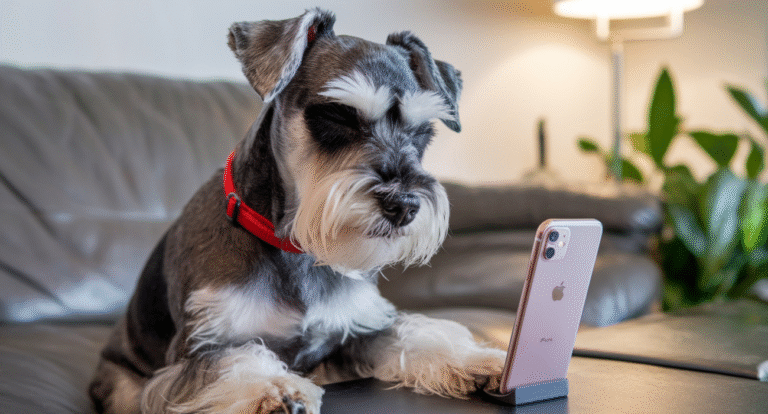
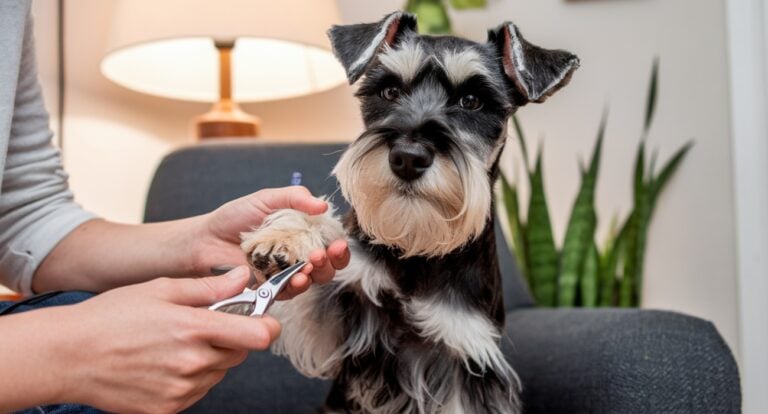
Put a stop to unwanted chewing with smart training tips. Protect shoes, furniture, and peace of mind while redirecting your Schnauzer’s curiosity.
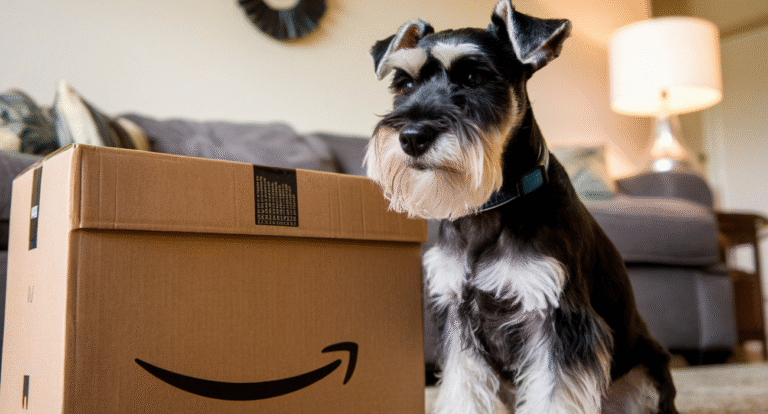
Your Schnauzer just ate your favorite pair of shoes. Again. And yesterday it was the TV remote, and before that, a corner of your wooden coffee table. You’re starting to wonder if you accidentally adopted a tiny, bearded termite instead of a dog. The good news? You’re not alone, and more importantly, this is totally fixable.
Schnauzers are brilliant, energetic little characters with strong jaws and an even stronger desire to explore the world with their mouths. That iconic beard isn’t the only thing they love to sink their teeth into. Let’s dive into why your whiskered friend has turned your home into an all-you-can-chew buffet and, most importantly, how to make it stop.
Why Your Schnauzer Chews
Before you can solve the problem, you need to understand what’s driving it. Schnauzers don’t chew on your stuff to make you mad (even though it definitely feels personal when they target your most expensive items). There are several legitimate reasons behind this behavior.
Puppy Teething and Exploration
If you’ve got a Schnauzer puppy, congratulations! You’re in for months of adorable chaos. Puppies explore their world through their mouths, plain and simple. Between 3 and 6 months old, those baby teeth start falling out and adult teeth come in. This process is uncomfortable, sometimes painful, and chewing provides relief. Your puppy isn’t being destructive on purpose; they’re just trying to feel better.
Even after teething ends, young Schnauzers continue using their mouths to learn about textures, tastes, and objects. That fancy leather shoe? To your puppy, it’s an interesting new toy that smells like you. Pretty tempting.
Boredom and Lack of Mental Stimulation
Here’s where things get interesting. Schnauzers were originally bred as working dogs. Miniature Schnauzers hunted rats on farms. Standard and Giant Schnauzers guarded property and herded livestock. These aren’t couch potato breeds. They need jobs, puzzles, and challenges.
When a Schnauzer’s brilliant mind doesn’t have anything productive to do, it will find something to do. Unfortunately, that something usually involves destroying your belongings.
An under-stimulated Schnauzer is a destructive Schnauzer. If your dog isn’t getting enough physical exercise and mental enrichment, chewing becomes entertainment. It’s engaging, it passes time, and it feels satisfying.
Separation Anxiety
Schnauzers bond intensely with their families. They’re velcro dogs who want to be involved in everything you do. When you leave them alone, some Schnauzers experience genuine anxiety. Chewing can be a self-soothing behavior, similar to how humans might bite their nails or fidget when nervous.
If your Schnauzer only chews when you’re gone, and especially if there are other signs like excessive barking, pacing, or destructive behavior focused near doors and windows, you might be dealing with separation anxiety rather than just a chewing habit.
Creating a Chew-Proof Environment
You can’t watch your Schnauzer every single second, so let’s talk about setting up your space for success.
Management is Your Friend
Management means controlling your dog’s environment so they can’t make mistakes in the first place. This is especially crucial during the training process. Use baby gates to block off rooms with valuable or dangerous items. Keep shoes in closets with closed doors. Put TV remotes on high shelves.
Think of management as giving your Schnauzer fewer opportunities to practice bad habits. Every time they successfully chew something inappropriate, that behavior gets reinforced. Prevention stops the rehearsal.
The Power of Confinement
This sounds harsh, but hear me out. When you can’t supervise your Schnauzer, having a safe space like a crate or puppy-proofed room protects both your belongings and your dog. Crates aren’t punishment when introduced properly; they’re cozy dens.
Make sure the confinement area has appropriate chew toys, water, and maybe a comfy bed. The goal isn’t isolation; it’s keeping your dog safe and your home intact when you can’t actively watch them.
Providing Appropriate Chew Outlets
Now we get to the fun part! Your Schnauzer needs to chew, so let’s give them fantastic options.
Choosing the Right Chew Toys
Not all chew toys are created equal, and Schnauzers can be picky. You’ll want to experiment with different textures and types:
| Toy Type | Best For | Considerations |
|---|---|---|
| Rubber toys (Kong-style) | Aggressive chewers, can be stuffed with treats | Choose appropriate size; too small is a choking hazard |
| Rope toys | Interactive play and light chewing | Supervise to prevent string ingestion |
| Nylon bones | Long-lasting chewing sessions | Some dogs find them too hard; watch for excessive wear on teeth |
| Puzzle toys | Mental stimulation while chewing | Excellent for smart Schnauzers who get bored easily |
| Natural chews (bully sticks, etc.) | Satisfying texture, edible | Monitor consumption; high in calories |
The key is variety. Rotate toys every few days so they stay interesting. A toy that was boring yesterday might be fascinating next week.
Making Approved Toys Irresistible
Here’s a pro tip: your stuff is more interesting than plain toys because your stuff smells like you, has varied textures, and might even have food residue on it. So make the approved toys MORE appealing.
Stuff Kong toys with peanut butter (xylitol-free only!) mixed with kibble, then freeze them. This creates a long-lasting, highly rewarding chew session. Rub new toys on your hands before giving them to your dog. Play with the toys yourself occasionally so they seem valuable.
The goal is making legal chew items more rewarding than illegal ones. When the approved toy is more fun than your shoe, your Schnauzer will make the right choice.
Training Your Schnauzer What’s Off Limits
Management and providing alternatives are crucial, but you also need to actively teach your Schnauzer which items are forbidden.
The “Leave It” Command
“Leave it” is possibly the most valuable command you can teach. It means “don’t touch that thing, and I’ll reward you for your excellent impulse control.”
Start simple. Hold a treat in your closed fist. Your Schnauzer will probably sniff, lick, and paw at your hand. Wait. The moment they back off even slightly, say “yes!” and give them a treat from your other hand. Practice this until they immediately back away from your closed fist when you say “leave it.”
Gradually increase difficulty. Put a treat on the floor and cover it with your foot. Then practice with items they like to chew (while they’re on leash so you can prevent access). Eventually, they’ll understand that “leave it” means good things come from ignoring tempting objects.
Redirecting in the Moment
Catch your Schnauzer in the act? Don’t yell or punish. Instead, calmly interrupt the behavior, redirect them to an appropriate toy, and heavily praise them when they chew the right thing.
“Drop it” is your other essential command. Trade them. If they’ve got your sock, offer a high-value treat or toy in exchange. When they drop the sock, praise like crazy and let them have the better option. Over time, they learn that giving up forbidden items leads to great outcomes.
Consistency is Everything
Every single person in your household needs to follow the same rules. If you don’t allow the Schnauzer on furniture but your partner does, you’re confusing your dog. If shoes are sometimes okay to chew but sometimes not, your Schnauzer can’t learn the pattern.
Create house rules and stick to them religiously. Consistency isn’t just important; it’s the foundation of successful training.
Addressing the Exercise and Enrichment Gap
Remember how we talked about Schnauzers being working dogs? Let’s address that energy properly.
Physical Exercise Requirements
A tired Schnauzer is a well-behaved Schnauzer. These dogs need real exercise, not just a quick trip around the block. Miniature Schnauzers need at least 30 to 60 minutes of activity daily. Standard and Giant Schnauzers need even more.
Mix up your exercise routine. Daily walks are great, but also consider hiking, fetch sessions, swimming, or even dog sports like agility. Physical tiredness reduces the energy available for destructive chewing.
Mental Stimulation Matters More Than You Think
Here’s something many Schnauzer owners miss: mental exercise can tire your dog out faster than physical exercise. Fifteen minutes of training or puzzle-solving can equal a 30-minute walk in terms of exhaustion.
Try these mental enrichment activities:
- Scent games: Hide treats around the house and let your Schnauzer hunt for them
- Training sessions: Teach new tricks; Schnauzers love having jobs and learning
- Puzzle feeders: Make meals challenging by using interactive feeding toys
- Rotation schedule: Don’t leave all toys out constantly; rotate them to maintain novelty
- Sniff walks: Let your Schnauzer stop and smell everything on walks; that’s mental work
A Schnauzer with a tired brain and a tired body doesn’t have the energy or inclination to turn your furniture into confetti.
The Power of Routine
Schnauzers thrive on predictability. Establish a daily routine that includes set times for meals, walks, play sessions, and quiet time. When dogs know what to expect and when, they experience less anxiety and fewer behavioral problems.
Special Considerations for Different Life Stages
Puppies Need Extra Patience
If you’ve got a Schnauzer puppy, accept that some chewing will happen despite your best efforts. Puppy-proof obsessively. Keep valuable items completely out of reach for the first year. Focus on prevention and redirection rather than corrections.
Make sure your puppy has appropriate chew items constantly available, especially during teething. Ice cubes, frozen washcloths, and frozen Kongs can soothe sore gums.
Adult Dogs With Established Habits
Retraining an adult Schnauzer who’s been chewing inappropriately for months or years takes more time, but it’s absolutely possible. These dogs aren’t less trainable; they just have stronger habit patterns to overcome.
Increase your management efforts initially. Crate or confine your adult Schnauzer when unsupervised until the behavior improves significantly. Go back to basics with training, and be patient. Behavior change takes time.
Senior Schnauzers
Older Schnauzers who suddenly start chewing might be experiencing cognitive decline, dental pain, or anxiety related to aging. If your previously well-behaved senior dog develops a chewing problem, consult your veterinarian to rule out medical causes.
When to Seek Professional Help
Sometimes DIY training isn’t enough. Consider working with a professional if:
- Your Schnauzer’s chewing is primarily anxiety-driven
- The behavior is worsening despite consistent training efforts
- Your dog is causing serious damage or creating safety hazards
- You’re feeling overwhelmed and frustrated
Certified dog trainers and veterinary behaviorists can provide personalized strategies and, if necessary, discuss whether anxiety medication might help alongside training.
The Bottom Line on Chewing
Your Schnauzer isn’t chewing to spite you. They’re being a completely normal dog with normal dog needs. The solution isn’t about stopping the chewing entirely (that’s impossible and unfair), but about redirecting it appropriately.
Combine smart management, excellent chew toy options, consistent training, and adequate exercise, and you’ll see dramatic improvement. Yes, it takes effort. Yes, you need patience. But you’ll get there, and eventually, your shoes will be safe, your furniture will remain intact, and your Schnauzer will be a happier, more satisfied dog.
Stay consistent, stay positive, and remember: every time you redirect successfully, you’re building better habits. Your future self (and your belongings) will thank you.