Licking paws can point to problems. Here’s why Schnauzers do it and when owners should be concerned.
Your schnauzer is at it again. That rhythmic licking sound echoes through your living room at 2 AM, and you’re wide awake wondering if this is normal dog behavior or the start of something serious. You’re not alone in this midnight mystery. Paw licking is one of those quirky canine habits that can range from completely harmless to a red flag waving frantically for attention.
Here’s the thing: schnauzers are particular creatures. These bearded beauties have personalities bigger than their compact bodies, and they’re not shy about showing discomfort. When those fuzzy paws become the focus of intense grooming sessions, it’s time to put on your detective hat.
The Normal Reasons Your Schnauzer Might Be Licking
Before you spiral into worry mode, let’s acknowledge something important: dogs lick their paws. It’s what they do. Your schnauzer doesn’t have hands to inspect things, so that tongue becomes a multi-purpose tool for exploration, cleaning, and general maintenance. Think of it as their version of washing hands after a walk through the park.
After outdoor adventures, schnauzers will naturally clean dirt, grass, and whatever mysterious substances they’ve trampled through off their paws. This is completely normal behavior. If you notice your pup giving their paws a once-over after coming inside, that’s just good hygiene in the canine world. The licking usually lasts a few minutes, and then they move on with their day.
Some schnauzers are simply more fastidious than others. Just like humans have varying levels of cleanliness standards, dogs do too. Your schnauzer might be the type who can’t stand the feeling of anything on their fur. These neat freaks will groom themselves more frequently, and that includes extra attention to their paws. As long as they’re not creating bald spots or causing irritation, this personality trait is nothing to lose sleep over.
When Paw Licking Becomes a Problem
Here’s where we need to pay closer attention. The line between normal grooming and problematic behavior isn’t always crystal clear, but there are definite signs that your schnauzer’s paw obsession has gone too far. If you’re seeing redness, swelling, or discoloration of the skin between their toes, something’s up. Healthy paw pads should be tough and resilient, not inflamed or raw.
Watch for behavioral changes too. A schnauzer who suddenly becomes frantic about licking their paws, who can’t seem to stop even when distracted, or who’s keeping you awake at night with constant grooming? That’s your cue to investigate further. Excessive licking can create a vicious cycle: the more they lick, the more irritated the skin becomes, which makes them want to lick more.
When grooming transforms into compulsion, your schnauzer isn’t just being particular anymore. They’re signaling discomfort, anxiety, or an underlying health issue that demands your attention.
The Usual Suspects: Common Causes
Allergies top the list of culprits behind obsessive paw licking in schnauzers. These dogs can develop sensitivities to environmental allergens (pollen, dust mites, mold) or food ingredients. Their paws are particularly vulnerable because they’re in constant contact with potential irritants. When allergens trigger a reaction, the itching can be absolutely maddening for your pup.
Environmental allergies often follow seasonal patterns. If your schnauzer turns into a paw-licking machine every spring or fall, you’re probably dealing with pollen or grass allergies. Food allergies, on the other hand, cause year-round symptoms. Common food allergens for dogs include beef, dairy, wheat, chicken, and soy.
| Allergy Type | Timing | Additional Symptoms | Treatment Approach |
|---|---|---|---|
| Environmental | Seasonal peaks | Ear infections, face rubbing, skin irritation | Antihistamines, immunotherapy, paw washing after walks |
| Food | Year-round | Digestive issues, skin problems, ear infections | Elimination diet, prescription food, novel protein sources |
| Contact | After specific exposures | Localized redness on paws and belly | Avoiding irritants, protective booties, topical treatments |
Parasites are another sneaky cause. Fleas, ticks, and mites can set up camp between your schnauzer’s toes, causing intense itching. Even if you don’t see the parasites themselves, their bites can trigger allergic reactions that make your dog desperate for relief. Regular parasite prevention is crucial, but sometimes these tiny troublemakers slip through your defenses.
Bacterial and yeast infections love the warm, moist environment between toe pads. If your schnauzer’s paws smell funky (think corn chips or something musty), you’re probably dealing with an infection. These often develop secondary to allergies or excessive licking, creating that cycle of discomfort we mentioned earlier.
The Less Obvious Reasons
Sometimes the problem isn’t physical at all. Anxiety and boredom can manifest as obsessive behaviors in schnauzers, and paw licking is a common outlet. These intelligent dogs need mental stimulation and physical exercise. When they don’t get enough of either, they may turn to repetitive behaviors for self-soothing or simply to pass the time.
Think about when the licking happens most. Is it during thunderstorms? When you leave for work? During fireworks season? Anxiety-driven licking has triggers, and identifying those patterns can help you address the root cause rather than just the symptom.
A bored schnauzer is a creative schnauzer, and unfortunately, their creativity sometimes manifests as obsessive grooming behaviors that give them something to focus on when their world feels unstimulating.
Injury is another possibility people sometimes overlook. Something as small as a thorn, splinter, or cut between the toes can cause persistent licking. Schnauzers might also lick to soothe the pain from arthritis or other joint issues. If your older schnauzer is focusing on one particular paw, it’s worth investigating whether orthopedic pain might be the culprit.
Dry skin shouldn’t be underestimated either. During winter months or in dry climates, your schnauzer’s paw pads can crack and become uncomfortable. Certain grooming products, household cleaners, or de-icing salts can also dry out or chemically burn sensitive paw pads, leading to compensatory licking.
Detective Work: Figuring Out Your Schnauzer’s Specific Issue
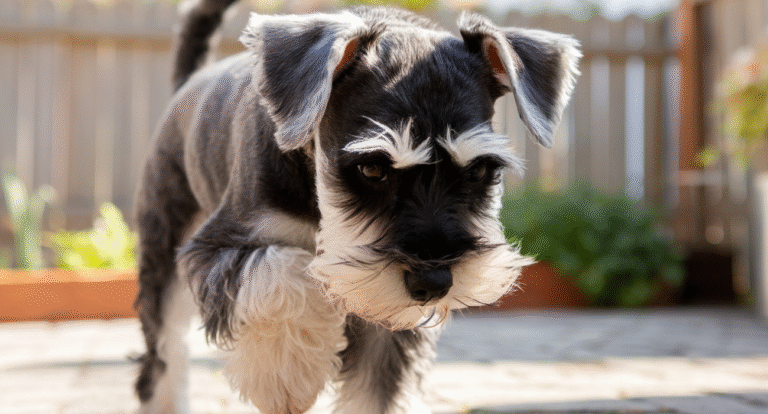
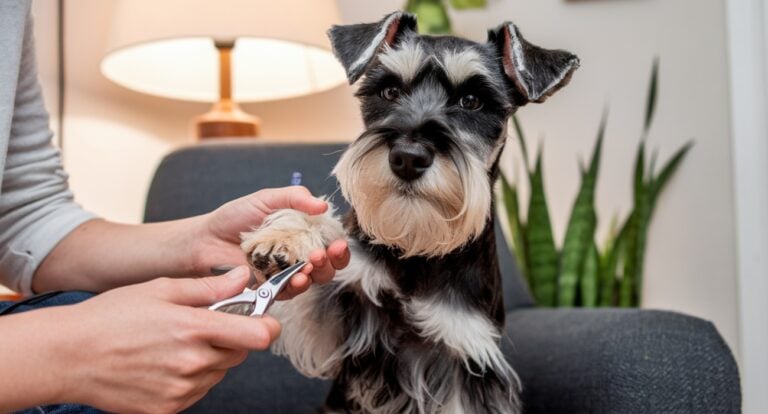
Start with a thorough paw examination. Get up close and personal with those fuzzy feet. Look between each toe, check the pads for cuts or foreign objects, and note any discoloration or swelling. Smell them too (yes, really). That corn chip smell might seem weird but it’s actually fairly normal. However, a strong, unpleasant odor suggests infection.
Keep a journal for a week or two. Note when the licking happens, how long it lasts, and what preceded it. Did you just come back from a walk? Is it always after meals? Does it happen more at night? These patterns reveal crucial clues about whether you’re dealing with allergies, anxiety, or something else entirely.
Consider recent changes in your household. New cleaning products, different food, new carpets, or even a change in your work schedule can trigger stress or allergic reactions in sensitive schnauzers. Sometimes the solution is simpler than you think.
Treatment Options That Actually Work
For allergy-related licking, the first step is identifying and minimizing exposure to triggers. Wipe your schnauzer’s paws with a damp cloth after walks to remove pollen and other allergens. Some owners swear by paw soaks with diluted Epsom salt or veterinary-approved antiseptic solutions. Your vet might recommend antihistamines, omega-3 supplements, or in severe cases, immunotherapy or prescription medications.
Food allergies require more detective work. An elimination diet, where you feed a novel protein source (something your dog has never eaten before) for 8 to 12 weeks, can help identify triggers. This requires patience and strict adherence because even tiny amounts of the allergen can derail the process.
Successfully managing allergies in schnauzers isn’t about finding a magic pill. It’s about consistent environmental management, dietary vigilance, and sometimes a combination of treatments tailored to your dog’s specific sensitivities.
Infections need professional treatment. Bacterial infections typically require antibiotics, while yeast infections need antifungal medications. Your vet might prescribe medicated wipes, sprays, or shampoos. Don’t try to treat these yourself with home remedies; misdiagnosis can make things worse.
For behavioral causes, address the underlying anxiety or boredom. Increase exercise and mental stimulation through puzzle toys, training sessions, or interactive games. Consider whether your schnauzer needs more one-on-one time with you. Some dogs benefit from anxiety-reducing supplements, pheromone diffusers, or in serious cases, behavior modification therapy with a certified professional.
Environmental modifications help too. Invest in dog boots for winter walks if salt and ice are irritating paws. Use a humidifier during dry seasons. Switch to pet-safe, fragrance-free cleaning products. Sometimes these simple changes make a dramatic difference.
When to Call the Vet
Don’t wait to seek professional help if you notice bleeding, limping, severe swelling, or if your schnauzer is so obsessed with licking that they’re ignoring food or favorite activities. Any sign of infection (odor, discharge, extreme redness) warrants a veterinary visit. The same goes for sudden onset of intense licking without an obvious cause.
If you’ve tried addressing the issue at home for a week or two without improvement, it’s time to consult your vet. Persistent problems often have complex causes that require diagnostic testing like skin scrapings, allergy panels, or bloodwork to properly identify and treat.
Remember, your vet is your partner in your schnauzer’s health. They can see things you might miss and have access to treatments that aren’t available over the counter. Early intervention often prevents minor issues from becoming major problems, saving both your schnauzer discomfort and you money in the long run.
Living With a Paw-Licking Schnauzer
Managing this behavior requires patience and consistency. Once you’ve identified the cause and started treatment, don’t expect overnight miracles. Healing takes time, especially if there’s been chronic irritation or infection. Stick with your treatment plan, keep follow-up appointments, and communicate with your vet if things aren’t improving as expected.
Prevention is always easier than treatment. Maintain regular grooming, check paws frequently, stay current on parasite prevention, and keep your schnauzer mentally and physically engaged. Building these habits into your routine helps you catch potential problems early before they spiral into obsessive behaviors.
Your schnauzer’s paw licking might be a simple quirk or a sign of something needing attention. Either way, understanding the why behind the behavior empowers you to respond appropriately. These intelligent, sensitive dogs depend on us to interpret their non-verbal communication and advocate for their comfort. When those fuzzy paws get a little too much attention, you now have the knowledge to figure out what’s really going on and how to help your bearded companion feel their best.