Constant shadow or heartfelt devotion? Subtle behaviors explain what your German Shepherd is really feeling and how to support healthy independence.
You know the scene. You stand up to grab a glass of water, and your German Shepherd materializes beside you like a furry shadow. Bathroom trip? They’re waiting outside the door. Working from home? There’s a 75-pound body pressed against your leg. But here’s the million-dollar question: is this adorable devotion or something more concerning?
German Shepherds weren’t bred to be distant observers. These intelligent canines worked alongside humans as partners, protectors, and loyal companions. So when your GSD follows you from room to room, it might just be their DNA talking. Or it could be a sign that anxiety has crept into your relationship.
Understanding the German Shepherd Bond
German Shepherds weren’t bred to be lap dogs (though many certainly try). Originally developed in Germany in the late 1800s, these versatile working dogs were created to herd sheep, protect property, and work closely with shepherds across vast landscapes. This heritage created a breed that’s intensely focused on their humans.
What makes GSDs unique is their remarkable ability to form deep, meaningful bonds with their families. Unlike some breeds that spread their affection widely, German Shepherds typically choose their people and commit fully. This isn’t clingy; it’s intentional partnership. When you understand this foundational trait, suddenly that constant companionship makes perfect sense.
The Working Dog Mentality
Think about what a working German Shepherd does: they guard, they protect, they herd, they serve. Every single one of these jobs requires staying close to their handler, reading body language, and responding to needs before they’re even vocalized. Your modern GSD carries these same instincts, even if their “job” is just being your companion.
This is why your German Shepherd perks up when you move, why they position themselves between you and strangers, why they seem to need to know what you’re doing. They’re not being needy; they’re being German Shepherds. The question isn’t whether this behavior exists but whether it’s balanced and healthy.
Red Flags: When Devotion Becomes Destructive
So how do you distinguish between a devoted companion and a dog struggling with separation anxiety? The difference often lies in what happens when you’re not available. A devoted dog might prefer your company but can handle your absence. An anxious dog falls apart.
| Devoted Behavior | Clingy/Anxious Behavior |
|---|---|
| Follows you but settles quickly when you stop | Paces continuously, unable to relax without physical contact |
| Greets you enthusiastically but calms within minutes | Remains hyper-aroused for extended periods after reunion |
| Can entertain themselves when you’re busy | Shows no interest in toys, food, or activities without you |
| May whine briefly when left but settles | Exhibits destructive behavior, excessive vocalization, or house soiling |
| Observes strangers calmly | Shows extreme stress or aggression when you interact with others |
Separation Anxiety Symptoms
True separation anxiety is a serious behavioral condition that goes far beyond a dog who misses their owner. Dogs with separation anxiety experience genuine panic when left alone. We’re talking about dogs who:
- Destroy doors, windows, or crates trying to escape
- Injure themselves in their distress
- Refuse to eat or drink when alone
- Display stress signals (drooling, panting, trembling) before you even leave
The key distinction: a devoted dog wants to be with you but can cope without you. An anxious dog experiences psychological distress in your absence that affects their wellbeing.
The Velcro Dog Phenomenon
German Shepherd owners have coined the term “Velcro dog” to describe the breed’s tendency to stick close. But here’s what’s fascinating: this behavior often intensifies during specific life stages or circumstances. Puppies naturally stay close for safety. Adolescent GSDs (roughly 6 months to 2 years) may become MORE attached as they navigate their changing world. Senior dogs often seek more comfort and reassurance.
Environmental changes trigger proximity-seeking behavior too. Moving houses, new family members, schedule changes, or even rearranged furniture can cause your GSD to stick closer temporarily. This is adaptive behavior, not pathological anxiety. Your dog is using you as their secure base while processing change.
Gender and Individual Differences
While generalizations are tricky, many GSD owners report that females tend to be slightly more independent than males, who often display more overt attachment behaviors. However, individual personality matters far more than gender. Some GSDs are naturally more confident and independent; others are more sensitive and people-focused.
Genetics play a role too. Dogs from working lines, bred for jobs requiring independence and problem-solving, may be less prone to clingy behavior than dogs from show lines, which have been selected more for appearance and temperament suitable for family life.
Building Healthy Independence
If your German Shepherd’s attachment seems excessive, don’t panic. You can absolutely help them develop confidence and independence without damaging your bond. In fact, teaching independence often strengthens relationships by reducing stress for both parties.
Start With Alone Time Training
Begin ridiculously small. We’re talking about stepping into the next room for 30 seconds while your dog has a food-stuffed toy. No big goodbyes, no drama. Just casual departures and returns. Gradually increase duration, but only when your dog remains calm at the current level.
Success builds on success. Every calm moment alone creates a foundation for longer separations. Pushing too fast creates setbacks that take weeks to overcome.
The goal isn’t to make your dog stop caring whether you’re there. The goal is to build confidence that you always come back and that being alone is safe and sometimes even pleasant.
Enrichment: The Game Changer
A tired German Shepherd is a less anxious German Shepherd. But we’re not just talking about physical exercise (though that’s important). Mental stimulation is absolutely critical for this intelligent breed. A 20-minute training session can be more tiring than an hour-long walk.
Mental Exercise Ideas
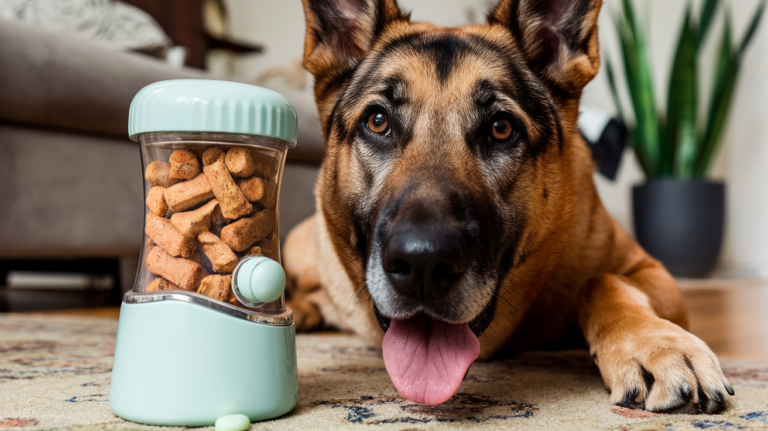
Introduce puzzle feeders that make your dog work for meals. Teach new tricks or commands regularly (GSDs love having jobs). Practice scent work games where they search for hidden treats. Rotate toys to maintain novelty. All of these activities build confidence and provide appropriate outlets for their working drive.
Here’s the beautiful part: when your German Shepherd has appropriate mental and physical outlets, they’re more likely to settle contentedly when you’re home. The constant need to be touching you often diminishes when their brains are properly engaged.
Physical Health Considerations
Sometimes what looks like clingy behavior has a physical cause. Pain, illness, or sensory decline can make dogs seek more reassurance from their owners. Older GSDs experiencing vision or hearing loss often become more attached because their human becomes their primary source of security in a world that’s getting harder to navigate.
If your German Shepherd’s attachment level suddenly changes, especially if they’re middle-aged or older, schedule a veterinary checkup. Thyroid issues, chronic pain, cognitive decline, and other health problems can manifest as behavioral changes.
| Age Range | Common Physical Issues Affecting Behavior |
|---|---|
| Puppy (0-1 year) | Teething pain, growth-related discomfort, digestive sensitivity |
| Adult (1-7 years) | Hip dysplasia, allergies, anxiety disorders |
| Senior (7+ years) | Arthritis, cognitive dysfunction, sensory decline, chronic illness |
Training Techniques That Help
Positive reinforcement training builds confidence like nothing else. When your German Shepherd successfully performs a behavior, their brain releases dopamine, creating positive associations with independence and problem-solving. This is completely different from the stress response triggered by separation.
The “Place” Command
Teaching a solid “place” command is invaluable. This means your dog goes to a designated spot (bed, mat, crate) and stays there until released. Start with short durations while you’re visible, gradually increasing both time and distance. Eventually, your GSD should be comfortable on their place while you’re in another room.
This isn’t about dominance or control. It’s about giving your dog a job that happens to involve not being attached to you. German Shepherds excel at jobs, even simple ones.
When Professional Help Makes Sense
Sometimes, despite your best efforts, the clinginess doesn’t improve or even worsens. There’s no shame in seeking professional help. A certified dog behaviorist or veterinary behaviorist can assess whether anxiety medication might help while you work on training, or whether there are underlying issues you haven’t identified.
Medication isn’t a cop-out; it’s a tool that can make training possible for dogs whose anxiety is too severe to respond to behavior modification alone.
Signs you should consult a professional include: destructive behavior when left alone, self-injury, complete inability to settle even when you’re home, regression in house training specifically related to separation, or aggressive behavior when you attempt to create space.
The Cultural Context
Interestingly, what’s considered “clingy” varies dramatically by culture and individual preference. Some owners love having their German Shepherd follow them everywhere and wouldn’t change a thing. Others need more personal space. Neither is wrong, but your expectations should align with your dog’s needs.
If you genuinely enjoy your German Shepherd’s constant presence and they show no signs of distress when occasionally left alone, there’s no problem to fix. The issue arises when either party is stressed by the attachment dynamic.
Creating Positive Alone Associations
The way you leave matters enormously. Lengthy, emotional goodbyes actually increase anxiety by signaling that your departure is a big deal. Instead, practice casual departures. No baby talk, no apologies, just grab your keys and go. When you return, wait until your dog is calm before greeting them.
Leave special treats or toys that only appear when you’re gone. A frozen Kong stuffed with peanut butter and kibble, for instance, creates a positive association with your departure. Eventually, your dog may actually look forward to alone time because it means special things appear.