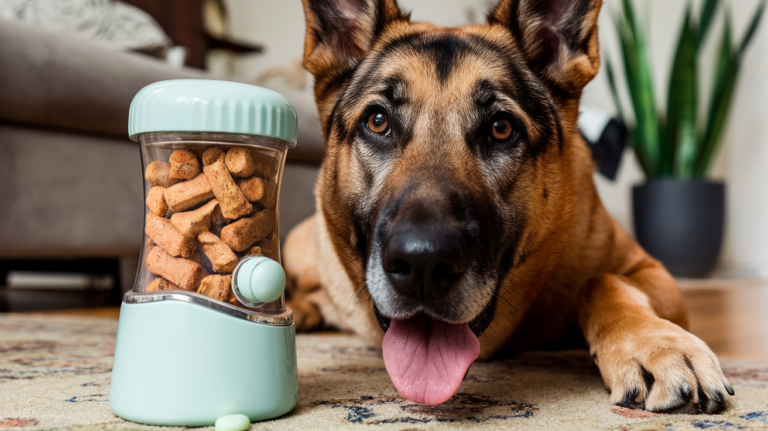
Think your dog is talented? These playful challenges reveal intelligence, instincts, and hidden abilities that make German Shepherds truly impressive companions.
Think your German Shepherd is the Einstein of the dog park? You’re probably right. These magnificent creatures aren’t just beautiful; they’re walking, barking bundles of brilliance. But here’s the thing: every GSD owner knows their pup is special, yet most have never actually put that intelligence to the test.
Time to change that! Whether your shepherd is a seasoned pro or still figuring out which end of the leash to chew, these eight delightful tests will reveal just how talented your four-legged genius really is. Prepare to be amazed (or hilariously humbled).
1. The Hidden Treat Challenge
Start simple but effective. This test measures your German Shepherd’s problem-solving abilities and persistence. Take three cups, let your dog watch as you place a treat under one, then shuffle them around.
The scoring breakdown:
| Performance Level | Description | What It Means |
|---|---|---|
| Finds treat in under 5 seconds | Nose goes straight to the correct cup | Superior scent tracking and memory |
| Finds treat in 5 to 15 seconds | Checks one or two cups first | Above average problem solving |
| Finds treat in 15 to 30 seconds | Methodically checks each cup | Good persistence and logical thinking |
| Takes longer than 30 seconds | Eventually gets there with encouragement | Still learning but motivated |
Make it progressively harder by using more cups or moving them faster. Some shepherds will surprise you by tracking the cup with their eyes the entire time, completely ignoring the scent aspect. Others become little detective noses, relying purely on their incredible olfactory powers.
Remember: Intelligence isn’t just about speed. A dog that takes their time and methodically solves the puzzle is demonstrating patience and systematic thinking, which are equally valuable traits.
2. The Towel Escape Test
Grab a large towel and gently drape it over your German Shepherd’s head while they’re in a relaxed state. This seemingly silly test actually reveals a lot about your dog’s problem-solving speed and confidence level.
A truly talented GSD will shake off the towel within seconds, using either a head shake or pawing motion. Some will dramatically fling themselves around like they’re auditioning for an action movie (shepherds do love their flair). Dogs who take longer than 15 seconds might be more cautious thinkers or simply unbothered by the temporary darkness.
What’s fascinating here isn’t just the speed but the method. Does your shepherd use their paws, body movement, or head shakes? Each approach tells you something about how they tackle physical challenges. The most talented problem solvers often combine multiple techniques.
3. The Name Recognition Test
German Shepherds can learn an impressive vocabulary, often understanding 150 words or more. But do they actually know what you’re saying, or are they reading your body language?
Here’s the test: have someone else hold your dog in another room while you hide. Call out random words in the same tone and inflection you’d use for your dog’s name, mixed in with their actual name. Examples: “Banana! Refrigerator! Shadow! (if Shadow is your dog’s name) Lampshade!”
Top performing shepherds will only react when they hear their actual name, proving they’re listening to the word itself rather than just your voice’s presence. Average performers might perk up at every word but only move toward you at their name. This distinction is crucial because it shows genuine language comprehension.
4. The Problem-Solving Box
This test requires minimal setup but provides maximum insight. You’ll need a box or container that your dog can’t quite fit their head into (a tissue box works perfectly). Place a treat inside where they can smell it but not easily reach it.
Talented German Shepherds will try multiple approaches:
- Pawing at the box
- Flipping it over
- Using their nose to maneuver it
- Even picking it up and shaking it
The most brilliant ones will knock the box over within 30 seconds and celebrate their victory with what can only be described as a smug expression. Those who give up quickly and look to you for help are demonstrating something equally valuable: social intelligence and understanding that humans are problem-solving resources.
The real genius move: Some shepherds will immediately bring the box to you, having learned that humans have magical treat-releasing powers. That’s not laziness; that’s efficiency.
5. The Mirror Test
Place a full-length mirror where your German Shepherd can see themselves. While dogs don’t typically recognize themselves in mirrors (that requires abstract self-awareness), their reaction to the mirror reveals their confidence, curiosity, and social intelligence.
Highly intelligent and confident shepherds usually investigate briefly, then ignore the mirror once they realize there’s no scent associated with the image. Less experienced dogs might bark or play bow to their reflection. The most fascinating responses come from shepherds who seem to use the mirror to look around corners or check their surroundings, demonstrating spatial awareness.
Pay attention to how long the novelty lasts. Quick learners figure out the mirror’s nature within minutes. Those who keep returning might be testing different theories about what they’re seeing, which actually demonstrates sophisticated investigative thinking.
6. The Object Permanence Test
This classic test determines whether your dog understands that objects continue to exist even when they can’t see them. Let your shepherd watch you place a toy under a blanket. Then, while maintaining eye contact with your dog, move the toy under a different blanket without them seeing the transfer.
| Behavior | Intelligence Indicator |
|---|---|
| Goes straight to the first blanket | Remembers last seen location (basic object permanence) |
| Checks both blankets systematically | Advanced problem solving and adaptability |
| Uses nose to track the toy’s scent path | Superior sensory integration |
| Looks at you for clues | High social cognition and human cooperation |
The truly exceptional German Shepherds will use a combination: checking the original location, using their nose to track the scent trail, and watching your face for micro-expressions that might reveal the answer. They’re not just smart; they’re strategic.
7. The New Trick Speed Test
Choose a simple trick your German Shepherd doesn’t know yet (like “spin” or “touch”). Using positive reinforcement, see how many repetitions they need before performing it correctly three times in a row.
According to canine intelligence research, the smartest dog breeds can learn new commands in fewer than five repetitions. German Shepherds typically fall into this elite category, but individual variation is enormous. Your shepherd might master “spin” in two tries but take twenty attempts to learn “play dead” because one aligns with their natural movement patterns while the other feels awkward.
What matters more than raw speed is your dog’s attitude during learning. Are they engaged? Frustrated? Playful? The most talented shepherds treat training like a game, showing enthusiasm and creativity in their attempts. Some will even offer variations on the behavior, essentially saying, “How about this instead?”
Training insight: If your shepherd learns the trick instantly but seems bored, they might be under-challenged. These dogs thrive on complexity and variety.
8. The Emotional Intelligence Test
Here’s where German Shepherds often excel beyond other breeds. Sit on the floor and pretend to cry or act upset. A truly talented shepherd will approach, make physical contact (leaning, pawing, or gentle nosing), and show clear signs of concern.
This test measures empathy and emotional attunement, which are incredibly sophisticated forms of intelligence. Some shepherds will bring toys to comfort you. Others will simply sit close and maintain eye contact. A few might even try to “fix” the problem by investigating what made you upset.
The response timing matters too. Immediate concern (within 10 seconds) indicates high emotional awareness. Those who take 30+ seconds might be thinking through the situation, trying to determine if the emotion is genuine. That’s not lesser intelligence; it’s discernment.
Watch for subtle behaviors: ear position, tail movement, facial expressions. The most emotionally intelligent shepherds will mirror your emotional state, demonstrating the kind of deep bond that makes German Shepherds such exceptional companions, therapy dogs, and service animals.
What Your Results Really Mean
After running these tests, you’ll have a much clearer picture of your German Shepherd’s unique talent profile. Maybe they aced the physical challenges but needed more time with the emotional test. Perhaps they showed off incredible problem-solving skills but got impatient with the repetitive tasks.
Here’s the secret: every result is valuable information. A shepherd who uses their nose for everything has different talents than one who relies on vision and logic. Neither is better; they’re just different types of brilliance.
The most important outcome isn’t a score or ranking. It’s the time you spent engaging your dog’s mind, challenging their abilities, and deepening your understanding of how they think. German Shepherds are working dogs who need mental stimulation. These tests aren’t just assessments; they’re enrichment activities that satisfy your shepherd’s craving for purpose and challenge.
So whether your GSD is a certified genius or a lovable goofball who’d rather play than problem solve, you’ve just given them something priceless: your attention, engagement, and appreciation for exactly who they are. And really, isn’t that what makes any dog truly talented?