Tail wags tell only part of the story. These clear signs reveal when your German Shepherd feels fulfilled, secure, and genuinely joyful every single day.
Nothing quite compares to the satisfaction of knowing your German Shepherd is living their best life. These dogs give us everything: protection, companionship, unconditional love, and an excuse to buy an industrial strength vacuum cleaner. The least we can do is ensure they’re genuinely content.
But canine happiness isn’t always obvious. Sure, the tail wags and play bows are dead giveaways, but German Shepherds communicate joy in dozens of nuanced ways. Learning their happiness language helps you become the owner your GSD thinks you already are.
1. The Classic “GSD Smile” Makes Regular Appearances
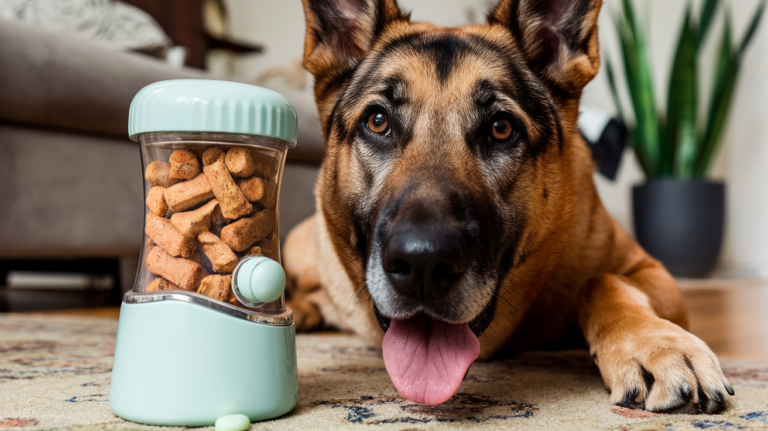
You know the one. That goofy, open mouthed expression where your German Shepherd looks like they’re about to tell you the world’s funniest joke. This relaxed facial expression, complete with a slightly lolling tongue and soft eyes, is pure contentment in physical form.
A happy German Shepherd has relaxed facial muscles. Their mouth hangs open naturally (not panting from stress), their eyes appear soft and squinty rather than wide and alert, and their entire face just radiates “life is good.” This differs dramatically from stress panting, where the mouth is more tense and the eyes show whites around the edges.
When your German Shepherd’s face looks like they’re perpetually on the verge of laughing at their own inside joke, you’ve nailed the happiness formula.
Watch for this expression during calm moments: after a satisfying meal, during gentle petting sessions, or while lounging in their favorite spot. The GSD smile is authentic joy made visible.
2. Their Tail Tells a Thousand Stories (And They’re All Happy Ones)
German Shepherd tails are basically mood rings covered in fur. A happy shepherd sports a tail that’s relaxed, held at a natural position, and wags with genuine enthusiasm. We’re not talking about the nervous, low wag or the stiff, high alert position. We’re talking about that full body wag that starts at the shoulders and radiates pure joy.
The wag pattern matters too. Happy dogs wag more to the right side of their bodies, according to research. A loose, sweeping wag that involves the entire rear end? That’s your shepherd telling you everything is absolutely perfect in their world. Some especially jubilant GSDs even do the “helicopter tail” where the circular motion could probably generate a small amount of electricity.
Pay attention to context, though. Tail wagging during play, greetings, or mealtime indicates happiness. The same motion during tense situations might signal something entirely different.
3. They Initiate Play and Maintain That Puppy Energy
A happy German Shepherd doesn’t wait for fun to happen; they create it. You’ll notice your content GSD bringing you toys, performing spontaneous play bows, or inventing games that definitely weren’t in any training manual. (Steal the sock and run? A classic shepherd innovation.)
Playfulness in adult dogs is a reliable happiness indicator. Dogs who feel secure, healthy, and content maintain their playful spirit well into their senior years. Your GSD might zoom around the yard for no apparent reason, pounce on imaginary prey, or engage in spirited games of tug of war with the enthusiasm of a puppy on espresso.
| Play Behavior | What It Means |
|---|---|
| Play bow (front down, rear up) | Invitation to interact; feeling social and energetic |
| Zoomies (random running) | Excess joy and energy release; pure happiness |
| Toy presentations | Trust, desire for bonding, contentment with you |
| Gentle mouthing during play | Comfortable and secure in the relationship |
Watch for regular play sessions initiated by your dog. This self directed fun seeking is happiness in action.
4. Sleep Happens Easily and in the Most Ridiculous Positions
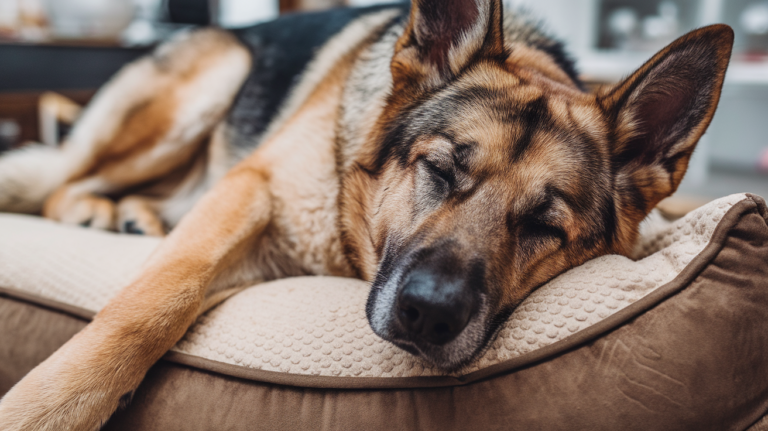
Truly happy German Shepherds sleep like they’ve just completed a marathon… while attending a yoga retreat… in zero gravity. We’re talking belly up, legs akimbo, tongue hanging out positions that defy both physics and dignity. This vulnerability during sleep indicates complete trust and relaxation in their environment.
An anxious or unhappy dog maintains vigilance even during rest, sleeping lightly with ears perked and body tense. A content GSD, however, sprawls out, snores like a freight train, and occasionally twitches through dreams about squirrel chases they’ll never quite win.
The sleep location matters too. A happy shepherd chooses to sleep near their family (but not necessarily on you, because personal space exists for a reason). They’ll have favorite spots throughout the house where they feel safe and comfortable enough to completely let their guard down.
5. Their Appetite Is Healthy and Consistent
Food motivation varies among individual dogs, but a happy German Shepherd typically approaches mealtime with enthusiasm. They eat their meals completely, maintain interest in treats, and don’t require extensive coaxing to finish dinner. Sudden appetite changes often signal stress, illness, or unhappiness, so consistent eating habits suggest emotional wellbeing.
A German Shepherd who devours meals with gusto, then looks at you like you’re the Gordon Ramsay of kibble selection, is a satisfied shepherd indeed.
Notice the manner of eating too. Happy dogs eat at a normal pace (neither anxiously fast nor disinterested slow), show excitement at food preparation sounds, and may even perform their “dinner dance” when they hear the food bag rustling. Some GSDs develop elaborate pre meal rituals that border on superstition, which is actually adorable evidence of their positive association with feeding time.
6. Body Language Screams “Everything Is Awesome”
Beyond facial expressions and tail positions, your German Shepherd’s overall body language broadcasts their emotional state. A happy GSD carries themselves with loose, flowing movement. Their gait is relaxed, their posture is confident but not rigid, and they move through space like they own it (because in their mind, they absolutely do).
Watch for:
- Relaxed muscle tone throughout the body
- Ears in natural position (not pinned back or hyper alert)
- Smooth, efficient movement without tension
- Willingness to expose vulnerable areas like belly and throat
- Leaning into you during affection (the shepherd lean of love)
Contrast this with stressed body language: tight muscles, cowering posture, tucked tail, pinned ears, and reluctance to make eye contact. The difference becomes obvious once you know what to observe.
7. They’re Eager to Learn and Engage With Training
German Shepherds are working dogs with brains that need jobs. A happy shepherd shows enthusiasm for mental stimulation, whether that’s formal training, puzzle toys, or learning new tricks. They focus well, respond to commands with energy, and seem genuinely excited when training sessions begin.
This eagerness stems from two happiness factors: cognitive stimulation satisfies their intelligent nature, and training strengthens the bond with their favorite human (that’s you). An engaged, learning focused GSD is a fulfilled GSD. They might even bring you their training gear or perform tricks unprompted, basically saying “Hey, remember that cool thing I learned? Watch this!”
Contrast this with a checked out, disinterested dog who treats training like mandatory overtime at a job they hate. Happy German Shepherds approach learning like it’s the best part of their day, because in many ways, it is.
8. Social Behavior Is Confident and Friendly
A well adjusted, happy German Shepherd displays appropriate social behavior with both humans and other dogs. They’re confident without being aggressive, curious without being fearful, and can read social cues from others effectively. This doesn’t mean they’re social butterflies who love every stranger; rather, they’re secure enough in themselves to handle social situations calmly.
| Social Situation | Happy GSD Response | Unhappy/Stressed GSD Response |
|---|---|---|
| Meeting new people | Curious, possibly reserved, but calm | Excessive barking, hiding, or aggression |
| Encountering other dogs | Appropriate play signals or polite disinterest | Reactive barking, fear responses, or conflict |
| Changes in routine | Adaptable, mild curiosity | Anxiety, destructive behavior, or withdrawal |
Your happy shepherd might not love every dog at the park, but they can coexist peacefully and show interest in appropriate playmates. They greet familiar people warmly and can tolerate strangers without falling apart emotionally.
9. Grooming and Physical Affection Are Welcome
German Shepherds who feel happy and secure tolerate and even enjoy grooming activities and physical affection. They lean into brushing sessions, stay calm during nail trims (well, relatively calm… nail trims are nobody’s favorite), and actively seek out petting and cuddles from their humans.
This cooperation stems from trust and contentment. An anxious or unhappy dog may resist grooming, become defensive about being touched, or avoid physical contact entirely. Your happy GSD, meanwhile, might flop over for belly rubs, press their head into your hand for ear scratches, and basically turn into a furry puddle of contentment during massage sessions.
The famous “shepherd lean” deserves special mention here. When your GSD casually leans their entire body weight against your legs, they’re not just being needy; they’re expressing trust, affection, and happiness. It’s basically a hug in dog language, just with more potential for you to lose your balance.
10. They Show Genuine Excitement at Your Return
Perhaps the clearest sign of a happy German Shepherd? The greeting they give you after any absence, whether you’ve been gone five minutes or five hours. A content GSD celebrates your return like you’ve just returned from a dangerous quest to retrieve the sacred tennis ball from the Land of Under The Couch.
This enthusiastic greeting (complete with full body wags, play bows, vocal greetings, and possibly some very impressive jumping) indicates that your presence is their happy place. They’ve missed you, they’re thrilled you’re back, and they need to tell you about everything that happened while you were gone (spoiler: it was mostly napping, but still VERY important).
The depth of your German Shepherd’s greeting enthusiasm directly correlates with their overall happiness and the strength of your bond.
Some GSDs even develop personalized greeting rituals: grabbing a specific toy, doing a particular spin, or making specific vocalizations. These quirky traditions are your dog’s way of saying “My favorite person is home, and life is wonderful.”
Understanding Happiness Creates Better Relationships
Recognizing happiness signs in your German Shepherd transforms you from a good owner into an exceptional one. These ten indicators give you a roadmap for reading your dog’s emotional landscape, helping you make decisions that enhance their wellbeing. After all, a happy German Shepherd isn’t just a pet; they’re a furry family member whose joy reflects the love and care you’ve invested.
Keep watching, keep learning, and keep celebrating those tail wags, ridiculous sleeping positions, and enthusiastic greetings. Your German Shepherd’s happiness is the ultimate reward for the life you’ve built together.