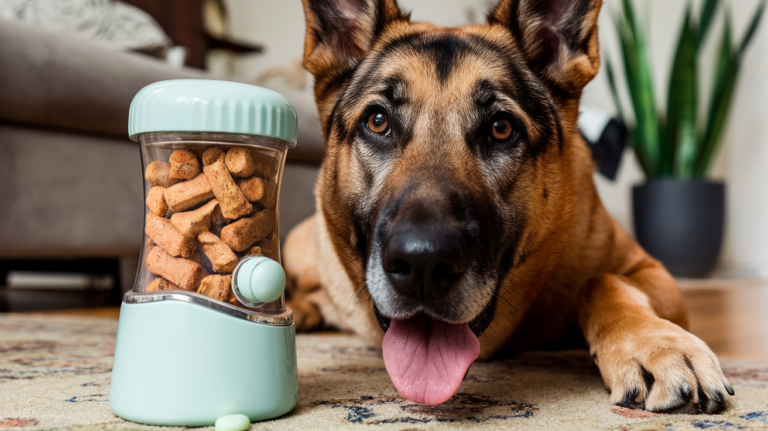
Crying in the crate can be heartbreaking. Here’s what your German Shepherd is trying to tell you and how to help them feel safe and secure.
You’ve done everything right. You bought the perfect crate, added cozy blankets, tossed in their favorite toy, and gently encouraged your German Shepherd inside. You close the door, walk away, and… the wailing starts. It sounds like you’ve committed an unspeakable crime rather than simply asking your dog to hang out in a safe space.
Welcome to the confusing world of crate crying! Every GSD owner has been there, standing outside the crate wondering whether to comfort, ignore, or join in the crying themselves. The good news? This behavior isn’t random, and it definitely isn’t permanent. Let’s explore what’s actually causing all that noise and how you can fix it.
The Real Reasons Behind the Tears
They’re Genuinely Anxious
German Shepherds form incredibly strong bonds with their humans. When you shut that crate door, your dog might genuinely believe you’re abandoning them forever. It doesn’t matter that you’ve left and come back a thousand times before; their anxious brain isn’t thinking logically right now. They’re experiencing real distress, and the crying is their way of saying “Please don’t leave me!”
Separation anxiety hits GSDs particularly hard because they’re bred to work with people. Your dog’s ancestors spent their days herding sheep alongside their handlers, never straying far from their human partners. That instinct to stay close doesn’t just disappear because we’ve moved them into our modern homes.
Your German Shepherd’s crying isn’t manipulation. It’s genuine emotional distress that deserves your understanding and a thoughtful training approach.
The Crate Feels Like Punishment
Think about how you introduced the crate. Did you wait until your puppy chewed your favorite shoes, then angrily shove them inside? Did you use the crate as timeout central? Your GSD has probably created a negative association, and now the crate represents consequences rather than comfort.
Dogs are masters at making connections between places and experiences. If most of their crate time happens when you’re upset or when they’re being “punished,” they’ll panic every time they see it. The crying is their protest against what they perceive as jail time.
They Actually Need Something
Sometimes the answer is wonderfully simple: your dog needs to pee. Or they’re thirsty. Or they’re uncomfortable because you accidentally left their collar on and it’s poking them weird. German Shepherds are large, active dogs with legitimate physical needs, and ignoring those needs won’t make your dog tougher or more independent.
Young puppies especially can’t hold their bladder for extended periods. If your 12 week old puppy is crying after four hours in the crate overnight, they’re probably not being difficult. They’re being a puppy with a tiny bladder who really, really needs to go outside.
Boredom and Excess Energy
Let’s be honest: German Shepherds are working dogs with energy levels that could probably power a small city. If you’re crating a GSD who hasn’t had adequate exercise or mental stimulation, you’re essentially asking a caffeinated Olympic athlete to sit still in a closet. The crying is them saying “I have SO MUCH ENERGY and nowhere to put it!”
A tired dog is a quiet dog. This saying exists for a reason, and it’s especially true for high energy breeds like German Shepherds. When their physical and mental needs aren’t met, the crate becomes unbearable because they’re literally vibrating with pent up energy.
Understanding the Different Types of Crate Crying
| Type of Cry | What It Sounds Like | What It Usually Means | Typical Duration |
|---|---|---|---|
| Protest Crying | Loud, dramatic, inconsistent | “I don’t wanna!” Initial resistance to crate | 5 to 15 minutes, then stops |
| Anxiety Crying | Continuous, escalating, frantic | Real distress or separation anxiety | Continues until you return or exhaustion sets in |
| Attention Seeking | Whining that stops when you appear, starts when you leave | Learned behavior that gets them what they want | Variable; stops and starts based on your reactions |
| Need Based Crying | Urgent, persistent, different than their usual sounds | Bathroom emergency, pain, or genuine discomfort | Won’t stop until need is addressed |
Protest Crying: The “I Don’t Wanna” Tantrum
This is your dog’s version of a toddler throwing themselves on the grocery store floor. The crying is loud, it’s dramatic, and it’s designed to make you feel like the worst person alive. But here’s the secret: protest crying almost always stops on its own if you don’t reinforce it.
Your GSD is testing boundaries. They’re saying “if I make enough noise, will you let me out?” If the answer is yes, congratulations! You’ve just trained your dog that crying equals freedom. If the answer is a calm, consistent no, they’ll usually settle down within 15 minutes.
Anxiety Crying: Real Emotional Distress
This crying sounds different. It’s more desperate, more frantic, and it escalates rather than settling. Your dog might be panting, drooling, or even trying to break out of the crate. This isn’t a tantrum; this is genuine panic, and it requires a completely different approach.
German Shepherds with true separation anxiety need systematic desensitization, not tough love. You can’t just ignore this type of crying away. These dogs need help building positive associations with alone time, starting with incredibly short separations and gradually working up.
What NOT to Do When Your GSD Is Crying
Don’t Let Them Out Mid Cry
This is the cardinal sin of crate training. When you rush over and open that door while your dog is actively crying, you’ve just taught them that crying works perfectly. You’ve essentially given them a master class in “How to Train Your Human.”
The timing matters enormously. If you absolutely must let your dog out, wait for even a two second pause in the crying. Open the door during silence, not during noise. Otherwise, you’re building a habit that’ll be incredibly difficult to break later.
Don’t Yell or Punish
Your German Shepherd is already stressed. Adding your angry energy to the mix doesn’t calm them down; it adds another layer of anxiety. Plus, for some dogs, negative attention is still attention. You might think you’re discouraging the behavior, but your dog just learned that crying brings you running, even if you’re grumpy about it.
Patience and calm consistency will get you much further than frustration and yelling. Your energy sets the tone for how your dog interprets the situation.
Don’t Give Up Too Quickly
Crate training takes time, especially with sensitive breeds like German Shepherds. If you try for three days, decide it’s not working, and abandon the crate, you’ve just taught your dog that enough persistence will make you quit. Then you’re stuck starting from scratch later, often with an even more resistant dog.
Successful crate training isn’t about finding a magic trick. It’s about consistent, patient repetition until the crate becomes just another comfortable space in your dog’s world.
How to Actually Fix the Crying Problem
Create Positive Crate Associations
Your mission is to make the crate the best place in the entire house. Feed meals inside it. Hide special treats in there randomly throughout the day. Toss their favorite toys inside. Play crate games where they run in and out for rewards. The crate should mean “good stuff happens here,” not “this is where I go when my human disappears.”
Start with the door open. Let your GSD explore voluntarily. Don’t force anything. Some dogs need days or even weeks of casual crate exposure before they’re comfortable with a closed door.
Exercise Before Crate Time
A 20 minute walk isn’t going to cut it for a German Shepherd. These dogs need real exercise: running, playing fetch until they’re panting, training sessions that engage their brilliant brains, or structured activities like agility or nose work. A genuinely tired GSD will view the crate as a welcome nap spot rather than a prison.
Mental stimulation counts too! Fifteen minutes of intensive training work can tire out your dog’s brain almost as much as physical exercise. Before crate time, do both.
Practice During the Day
Don’t make the crate something that only happens at night or when you leave for work. Practice short crating sessions while you’re home and available. Put your dog in the crate, sit on the couch where they can see you, and calmly ignore any fussing. Start with five minutes. Then ten. Gradually build duration.
This teaches your GSD that the crate is just a normal part of life, not a sign that you’re about to disappear for hours. It removes the high stakes anxiety from the equation.
Use the Right Crate Setup
Size matters tremendously. Too small, and your dog is genuinely uncomfortable. Too large, and they might use one end as a bathroom, which creates a whole new set of problems. Your German Shepherd should be able to stand up completely, turn around comfortably, and lie down stretched out. That’s it.
Make it cozy but not too exciting. A comfortable bed or blanket, maybe a safe chew toy, and possibly a covered crate to create a den like atmosphere. Don’t overload it with stuff. The crate should be calm and boring in the best way possible.
Ignore the Right Crying, Address the Wrong Crying
Learn to distinguish between protest crying and genuine need. Protest crying gets calmly ignored. Need based crying gets quickly addressed. If you suspect your dog needs a bathroom break, calmly take them out without making it exciting or fun. Let them do their business, then right back in the crate. No play, no extended cuddle session.
Your response should be as boring and neutral as possible. You’re just helping them take care of a biological need, not rewarding the crying with quality time.
When to Seek Professional Help
Some German Shepherds have severe separation anxiety that goes beyond normal crate training challenges. If your dog is injuring themselves trying to escape, if the crying continues for hours without any improvement after weeks of consistent training, or if they’re showing signs of severe distress like excessive drooling, vomiting, or destructive panic, you need professional support.
A certified dog trainer or veterinary behaviorist can assess whether your GSD needs medication, a modified training approach, or a completely different management strategy. There’s no shame in asking for help. Some dogs genuinely need more support than others.
Your crying German Shepherd isn’t trying to drive you crazy. They’re communicating discomfort, anxiety, or unmet needs in the only way they know how. Your job is to become a detective, figuring out what’s causing the crying and addressing the root issue rather than just the noise.
With patience, consistency, and the right approach, most German Shepherds can learn to view their crate as a safe, comfortable space. It won’t happen overnight, and there will be setbacks, but the effort is absolutely worth it. A crate trained dog is safer, calmer, and often happier because they have their own secure spot in a chaotic world.
Keep working at it. You’ve got this.