You can train your shepherd like a professional in one week. These practical steps build obedience, confidence, and impressive results faster than expected.
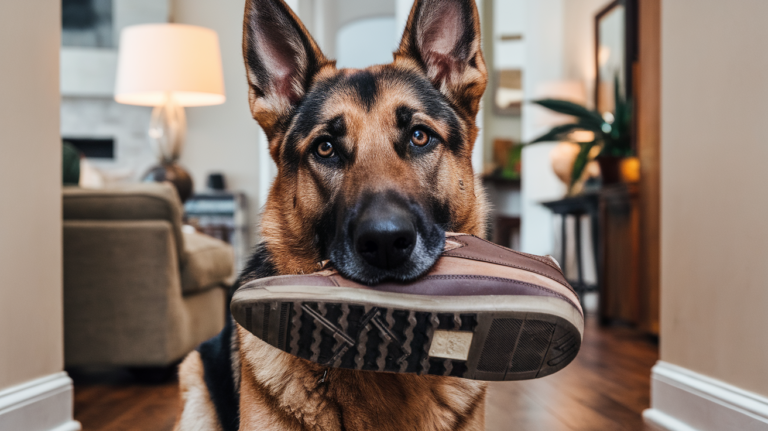
Your German Shepherd just knocked over the trash can. Again. And now he’s doing that adorable head tilt thing that makes it impossible to stay mad, but you’re still finding coffee grounds in places coffee grounds should never be. Sound familiar?
Here’s the truth: German Shepherds are brilliant, loyal, and absolutely magnificent dogs. But without proper training, that intelligence can turn into creative destruction faster than you can say “drop it.” The good news? You don’t need months of expensive classes or a magic wand. With the right approach, you can transform your GSD from chaos agent to well-mannered companion in just one week.
Your German Shepherd’s Brain
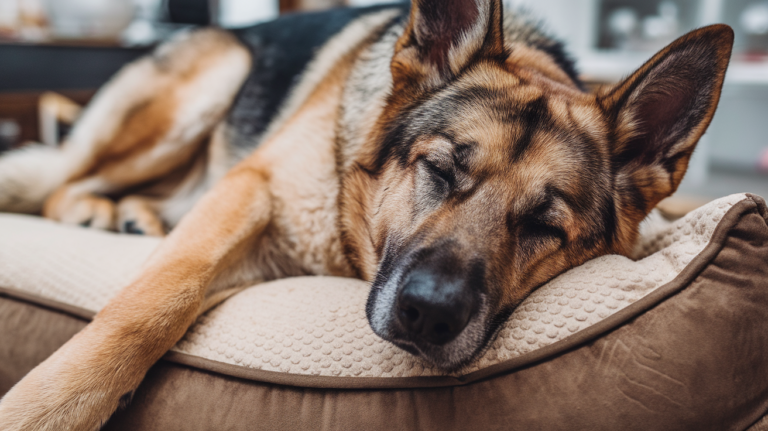
Before we dive into the day by day breakdown, you need to understand what makes your GSD tick. These dogs were originally bred in Germany (surprise!) to herd sheep, which required intelligence, independence, and an almost obsessive work ethic. Your dog has inherited all of these traits, which means two things: they’re incredibly trainable, but they also need mental stimulation like plants need water.
A bored German Shepherd is a destructive German Shepherd. They’re not being spiteful when they eat your favorite shoes; they’re just trying to keep their brains busy. The beautiful part about this seven day training program is that it provides exactly the kind of mental workout your dog craves while building the behaviors you want.
The Three Pillars of Successful GSD Training
Every effective training program rests on three non-negotiable foundations:
Consistency is everything. If “sit” means sit today but is optional tomorrow, you’re teaching your dog that commands are merely suggestions. Every family member needs to use the same words, the same hand signals, and enforce the same rules.
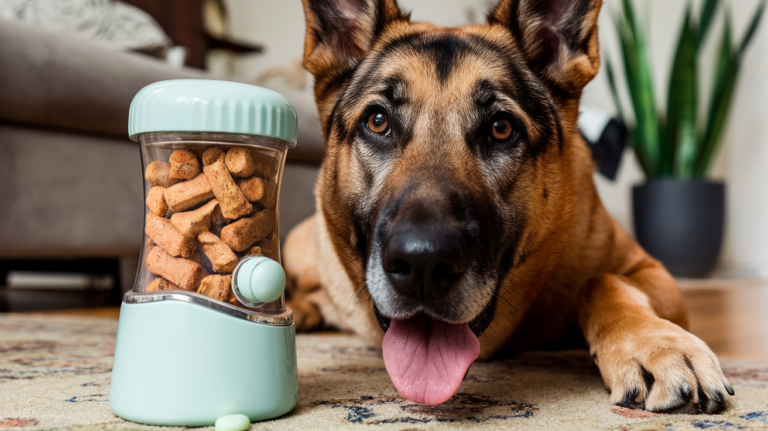
Motivation matters more than dominance. Forget everything you’ve heard about being the “alpha.” Modern dog training science has thoroughly debunked that myth. What actually works? Making training so rewarding that your German Shepherd wants to participate. This usually means high-value treats (think tiny pieces of chicken or cheese, not boring kibble) and enthusiastic praise.
Timing is the secret weapon most people miss. You have approximately 1.3 seconds to reward a behavior before your dog loses the connection between action and reward. This means you need to be quick with your treats and praise, marking the exact moment your dog does what you want.
Training isn’t about breaking your dog’s spirit or forcing submission. It’s about building a common language and a partnership based on trust, clear communication, and mutual respect.
The 7-Day Training Blueprint
Day 1: Establishing Leadership and Basic Attention
Your first day isn’t about commands at all. It’s about teaching your German Shepherd that paying attention to you is the most rewarding thing in the world.
Start with the name game. Say your dog’s name in a happy, upbeat tone. The instant they look at you, click (if you’re using a clicker) or say “yes!” and toss them a treat. Repeat this 20 to 30 times throughout the day in different locations around your house. This teaches your dog that their name means “look at me right now because something awesome is about to happen.”
Next, practice what trainers call “check-ins.” Take your dog outside on a long leash (15 to 20 feet) and just hang out. Don’t call them or interact much. Every time they voluntarily look back at you, mark it with “yes!” and reward. This builds the habit of your dog monitoring your location and seeking guidance from you, which is crucial for off-leash reliability later.
Day 2: Sit and Down on Command
Now we build on yesterday’s attention work. With your dog standing in front of you, hold a treat at their nose level, then slowly move it up and back over their head. Their bottom should naturally lower to the ground as they track the treat. The moment their rear hits the floor, say “yes!” and give them the treat.
Repeat this 10 to 15 times, then start adding the verbal cue “sit” just before you move the treat. Within a few sessions, most German Shepherds will start sitting when they hear the word.
For “down,” start with your dog in a sit. Hold a treat at their nose, then slowly move it straight down to the ground between their paws. Many dogs will fold into a down position. If yours doesn’t, you can try moving the treat down and slightly forward. The instant their elbows touch the ground, reward enthusiastically.
| Training Command | Hand Signal | Common Mistakes | Pro Tips |
|---|---|---|---|
| Sit | Flat palm moving upward | Moving treat too far back, causing dog to stand | Keep treat close to nose; fast learners may only need 20-30 reps |
| Down | Finger pointing downward | Expecting perfection too soon | Break into smaller steps if needed; reward partial progress |
| Stay | Open palm facing dog | Adding duration too quickly | Start with 2-3 seconds, gradually increase |
| Come | Patting your leg or sweeping arm toward body | Calling dog for unpleasant things | Never call dog for nail trims, baths, or punishment |
Day 3: Introducing Stay and Building Duration
“Stay” might be the most important command you teach. It could literally save your dog’s life someday (think: sitting calmly at a curb before crossing a street).
Start small. Ask your dog to sit, then hold your hand up in a “stop” gesture and say “stay.” Take one tiny step backward. If your dog maintains the sit for even two seconds, step back to them (don’t call them to you, which releases the stay) and reward. Gradually increase the distance and duration, but only progress when your dog is successful at least 80% of the time.
German Shepherds are so smart that they’ll often anticipate what you want and break the stay. If this happens, calmly guide them back to the original spot and reduce your criteria. Maybe you progressed too fast.
Day 4: Mastering Loose Leash Walking
This is where most owners struggle, but it’s absolutely critical. A German Shepherd that pulls on leash isn’t enjoying walks, and neither are you. The solution? Make pulling never work.
Choose a marker word (many people use “let’s go”) that means “we’re moving.” Start in your house or yard where distractions are minimal. Hold treats in your hand at your side. Take a few steps. If your dog walks beside you with a loose leash, mark and reward. If the leash gets tight, immediately stop walking. Don’t move forward until there’s slack in the leash again.
The leash is a safety tether, not a steering wheel. Your dog should walk with you because they want to, not because they’re being dragged along.
Yes, this means your first few “walks” might only cover 20 feet in 10 minutes. That’s fine. You’re teaching a concept. Once your dog understands that pulling makes the walk stop and a loose leash makes it continue, progress accelerates dramatically.
Day 5: The Recall (Coming When Called)
A solid recall is non-negotiable for German Shepherd owners. This breed is athletic and curious, which means they can get into trouble fast if they don’t come when called.
Start in a hallway or small room where your dog can’t avoid you. Get down to their level, act super excited, and say “come!” in the happiest voice you can muster. When they reach you, throw a party. Multiple treats, enthusiastic praise, the works. Practice this 10 times.
Next, do the same thing but have a helper hold your dog gently while you walk a few feet away. Build distance gradually, always making coming to you the best thing that’s happened all day. Never, ever call your dog to you for something unpleasant like ending play time or giving medicine.
Day 6: Proofing in Distractions
All the training in the world means nothing if your dog can only perform in your living room. Today’s mission is to practice everything you’ve taught in new locations with increasing distractions.
Start with your backyard, then move to a quiet park, then gradually add challenges like other dogs at a distance or kids playing nearby. You’ll probably find that your dog seems to “forget” everything they learned. They haven’t. They’re just overwhelmed by the new environment. Go back to easier versions of each command, reward generously, and be patient.
German Shepherds are sensitive dogs despite their tough appearance. Getting frustrated or harsh during this phase can damage your relationship and slow progress. Keep sessions short (5 to 10 minutes), end on success, and remember that real-world application takes time.
Day 7: Putting It All Together
On the final day, you’re going to test everything in a structured routine that mimics real life scenarios. Take your dog on a walk using loose leash skills. Practice sits and downs at various points. Work on stay while you step out of sight briefly. Call your dog to come from across your yard.
Essential Equipment for Training Success
The right tools make everything easier. Here’s what actually works:
A good training collar makes a difference. Most professional GSD trainers recommend a standard flat buckle collar or martingale collar for basic training. Prong collars and choke chains have their place in certain situations, but they’re unnecessary for the average pet owner and can cause harm if used incorrectly.
You absolutely need high-value treats. We’re talking small, soft, smelly, and exciting. Cheese cubes. Tiny pieces of hot dog. Freeze-dried liver. Save the boring biscuits for later; right now you need currency your dog can’t resist.
A six-foot leash for structured training and a 15 to 20 foot long line for recall practice are essential. Retractable leashes are convenient, but they actually teach dogs to pull, so avoid them during training.
Investing in the right equipment isn’t about spending money; it’s about setting yourself and your dog up for success instead of frustration.
Common Mistakes That Derail Training
Let’s talk about what not to do, because sometimes that’s more important than the right techniques.
Inconsistency kills progress faster than anything else. If your GSD sleeps on the couch when you’re in a good mood but gets scolded for it when you’re stressed, you’re creating a confused, anxious dog who never knows what’s expected.
Bribing versus rewarding is a crucial distinction many owners miss. Bribing means showing the treat first, then getting the behavior. Rewarding means getting the behavior, then producing the treat. Bribes work short term but create dogs who only obey when they can see food. Rewards build genuine obedience.
Training when tired or frustrated is counterproductive. Your German Shepherd can read your emotional state better than you might think. If you’re having a bad day, skip the session. Five minutes of focused, positive training beats 30 minutes of grudging repetition.
Beyond the Basics: Setting Up Long-Term Success
Seven days gives you a foundation, but training isn’t something you finish and forget. German Shepherds need ongoing mental challenges to stay sharp and happy.
Consider these next steps: advanced obedience classes, nose work, agility training, or even protection sports if that interests you. These activities tap into your dog’s natural abilities and strengthen your bond.
Regular practice sessions (even just five minutes daily) maintain and sharpen the skills you’ve built. Vary the locations and contexts. Ask for a sit before meals, a down before going outside, a stay before throwing a toy. Integrate training into daily life rather than treating it as a separate activity.
Remember that your German Shepherd’s adolescence (typically between 6 and 18 months) might bring some regression. The teenager phase is real in dogs too. Stay consistent, be patient, and don’t assume your dog is being deliberately defiant. Their brain is literally reorganizing itself, and impulse control temporarily suffers.
The relationship you’re building this week forms the foundation for everything that follows. You’re not just training commands; you’re establishing trust, communication, and mutual respect that will define your life together for the next decade or more. And honestly? That’s pretty incredible.