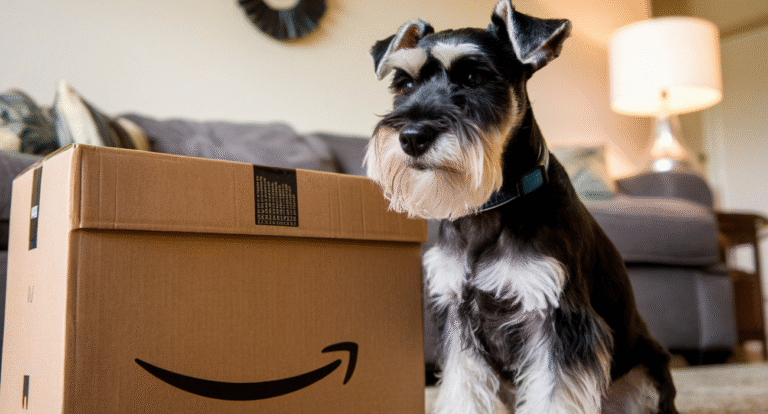
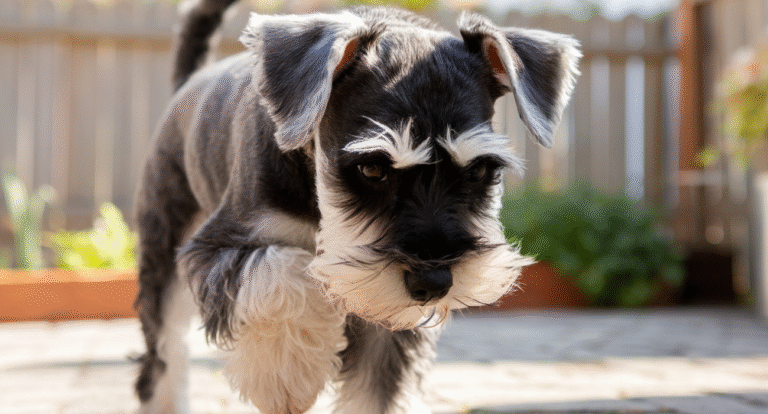
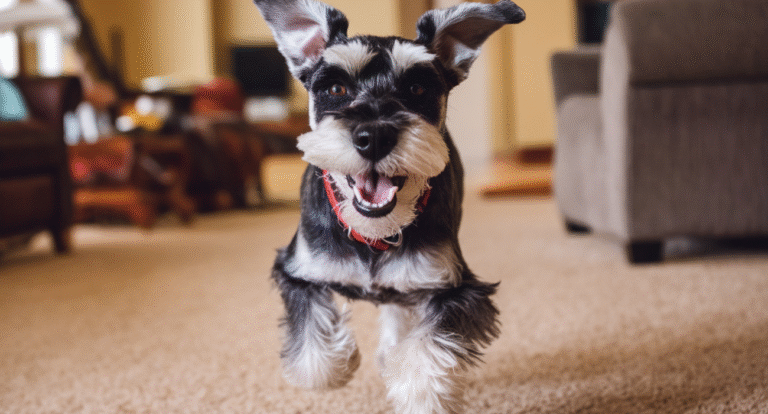
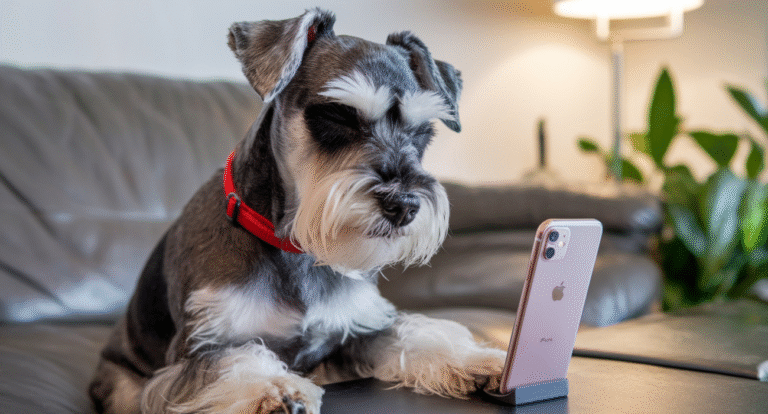
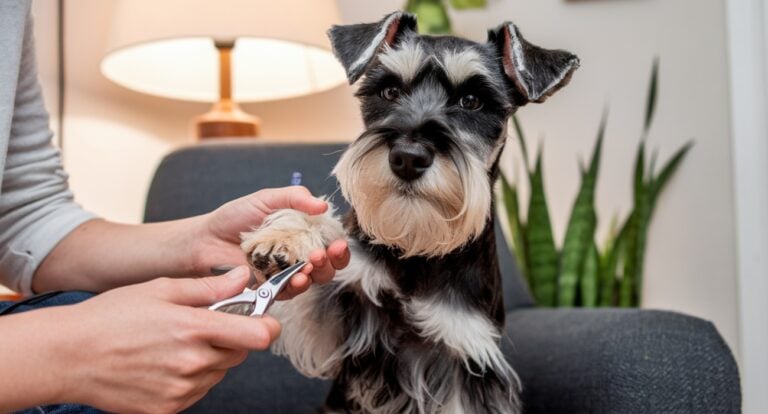
A tired Schnauzer is a happy one. Discover expert-approved tips for ensuring your pup gets the right amount of play and rest every day.
Your schnauzer, sprawled on their favorite spot, actually relaxing instead of plotting their next adventure. Their eyes are peacefully closed, not scanning for opportunities to investigate the garbage can. This isn’t a fantasy, it’s what happens when you master the art of properly exercising your schnauzer.
These intelligent, energetic dogs require more than a quick lap around the block to truly satisfy their needs. Understanding how to effectively tire them out is the difference between living with a well-adjusted companion and constantly wondering why your shoes keep disappearing. Let’s dive into exactly how to achieve schnauzer bliss.
Understanding Your Schnauzer’s Energy Levels
Schnauzers come in three sizes, but they all share one thing in common: boundless enthusiasm. Whether you have a miniature, standard, or giant schnauzer, you’re dealing with a breed that was designed for action. These dogs were ratters, herders, and guard dogs depending on their size, and that working heritage means they’ve got energy reserves that seem almost supernatural.
The mistake many schnauzer owners make is thinking that physical exercise alone will do the trick. Sure, your schnauzer needs to move their body, but their brain is equally hungry for stimulation. A tired schnauzer is one who has worked both their muscles and their mind, creating that perfect state of satisfied exhaustion.
The Physical vs. Mental Exercise Balance
Here’s something fascinating about dog energy: fifteen minutes of mental stimulation can be as tiring as a thirty minute walk. Your schnauzer’s brain is constantly working, analyzing, and problem solving. When you ignore this mental component, you end up with a physically tired dog who still has a restless mind, leading to behaviors like excessive barking, digging, or destructive chewing.
Think of it like running on a treadmill for an hour versus spending an hour solving complex puzzles. Both are exhausting, but in completely different ways. Your schnauzer needs both types of tired.
Physical Exercise Strategies That Actually Work
Daily Walks: Making Every Step Count
A basic walk around the block won’t cut it for most schnauzers. These dogs need engaging, varied walking experiences that keep their senses alive. Instead of the same route every day, switch up your paths. Let your schnauzer sniff (this is more tiring than you think!), introduce different terrains, and vary your pace.
Try incorporating these elements into your walks:
| Walk Element | Benefit | Frequency |
|---|---|---|
| Sniff breaks (5 min) | Mental stimulation through scent work | Every walk |
| Pace changes | Builds endurance, keeps attention | 2 to 3 times per walk |
| Hill climbing | Muscle building, cardiovascular health | 3 to 4 times weekly |
| New routes | Environmental enrichment | 2 to 3 times weekly |
| Stop and sit commands | Mental focus, training reinforcement | Multiple times daily |
High Intensity Activities
Schnauzers love activities that tap into their natural instincts. Fetch isn’t just a game; it’s exercise gold for these energetic dogs. But here’s the trick: make them work for it. Instead of throwing the ball in a straight line, create patterns. Hide the ball and make them search. Use multiple toys and randomly choose which one to throw.
When your schnauzer has to think about what they’re doing while they’re moving, you’re hitting that sweet spot of combined physical and mental exhaustion that leads to true contentment.
Swimming is another fantastic option if your schnauzer enjoys water. It’s low impact on their joints while providing exceptional cardiovascular exercise. Even ten to fifteen minutes in the pool can leave your pup pleasantly wiped out.
Play Sessions with Purpose
Interactive play between you and your schnauzer strengthens your bond while burning energy. Games like tug of war (yes, it’s safe and beneficial!) allow your schnauzer to use their natural strength. Wrestling, when done with boundaries, lets them engage their whole body while learning impulse control.
The key is making you the most interesting thing in your schnauzer’s world. When playtime with you is the highlight of their day, they’ll work harder and tire more completely.
Mental Stimulation: The Secret Weapon
Puzzle Toys and Food Dispensers
Your schnauzer’s food bowl might be convenient, but it’s a missed opportunity. Puzzle feeders transform mealtime into brain work, forcing your dog to problem solve for every bite. Rotate through different types to prevent them from mastering one particular puzzle.
Frozen Kong toys stuffed with treats and peanut butter can occupy a schnauzer for impressive stretches. The combination of licking, problem solving, and working for their reward creates significant mental fatigue.
Training Sessions Throughout the Day
Forget the idea of one long training session. Instead, sprinkle short, focused training moments throughout your day. Five minutes of practicing new tricks before breakfast, another five before dinner, and a quick session before bed. This approach keeps your schnauzer’s mind constantly engaged without overwhelming them.
Training isn’t about obedience alone; it’s about giving your schnauzer’s brilliant mind the job it craves. A schnauzer with a purpose is a schnauzer who’s too satisfied to be destructive.
Teach complex tricks that require multiple steps. “Go to bed” isn’t just about lying down; it’s about walking to a specific location, turning around, and settling. Each component works their brain differently.
Scent Work and Nose Games
Your schnauzer’s nose is a powerful tool that’s often underutilized. Hide treats around your house or yard and let them hunt. Start easy and gradually increase difficulty. You can even teach them to find specific scented items, tapping into skills that ratters used historically.
Create a “snuffle mat” by hiding kibble in a towel or specialized mat. Watching your schnauzer work methodically through the folds, using their nose to locate every piece, is surprisingly meditative. More importantly, it leaves them mentally drained in the best possible way.
Creating a Sustainable Exercise Routine
Age and Health Considerations
Puppies, adults, and senior schnauzers all have different needs. Puppies require shorter, more frequent sessions to avoid joint damage during their growth phase. A good rule is five minutes of exercise per month of age, twice daily, until they’re fully grown.
Adult schnauzers in their prime can handle sixty to ninety minutes of combined exercise and mental stimulation daily. Senior schnauzers still need engagement but with lower impact activities and longer rest periods between sessions.
| Life Stage | Daily Physical Activity | Daily Mental Stimulation | Special Notes |
|---|---|---|---|
| Puppy (under 12 months) | 20 to 40 minutes (short bursts) | 15 to 20 minutes | Avoid repetitive jumping; focus on variety |
| Adult (1 to 7 years) | 60 to 90 minutes | 20 to 30 minutes | Peak energy; can handle intensity |
| Senior (7+ years) | 30 to 60 minutes | 15 to 25 minutes | Lower impact; more rest breaks |
Weather Adaptations
Summer heat and winter cold both require adjustments. During hot weather, shift exercise to early morning or late evening. Invest in cooling vests and always bring water. Schnauzers’ dark coats can absorb heat quickly, making them more susceptible to overheating than some breeds.
Cold weather is generally easier for schnauzers to handle, thanks to their double coat, but ice and snow present their own challenges. Booties protect their paws from salt and ice, while shorter outdoor sessions supplemented with increased indoor mental stimulation maintain their exercise needs.
Indoor Exercise Options
Bad weather doesn’t mean lazy days. Create an indoor obstacle course using household items. Practice tricks up and down stairs (great for muscle building). Play hide and seek, where your schnauzer has to find you throughout the house. Set up a treasure hunt with treats hidden in progressively challenging spots.
Interactive toys that dispense treats when manipulated correctly can occupy a schnauzer for surprisingly long periods. Rotate toys weekly to maintain novelty and interest.
Socialization as Exercise
Dog Park Strategies
A good dog park session can be incredibly tiring, but it works best when done thoughtfully. Don’t just let your schnauzer run wild; engage with them. Play chase, practice recalls, and encourage interaction with appropriate playmates. Schnauzers can be selective about their friends, so monitor play carefully and intervene if things get too rough.
The mental work of reading other dogs’ body language, negotiating play, and navigating social hierarchies is exhausting in ways that solo exercise cannot replicate.
Playdates and Group Activities
Regular playdates with compatible dogs provide both physical and social exercise. Schnauzers particularly enjoy having a “best friend” they can romp with regularly. The intensity of dog to dog play usually surpasses anything we humans can provide, leaving both dogs wonderfully tired.
Group training classes offer triple benefits: obedience practice, socialization, and mental stimulation from working in a distracting environment. Your schnauzer learns to focus despite exciting stimuli, which is valuable life training beyond the physical tired it produces.
Signs You’ve Achieved the Perfect Tired
How do you know you’ve hit the sweet spot? A properly exercised schnauzer settles calmly at home, shows reduced destructive behaviors, sleeps soundly during rest times, and maintains good focus during training. They’re still excited to see you and ready for activities, but they’re not bouncing off walls or demanding attention every five minutes.
Watch for relaxed body language: loose, floppy muscles rather than tense readiness, easy breathing, and the ability to ignore previously irresistible distractions. Your schnauzer should be able to lie down and actually stay down without constantly popping up to investigate sounds or movements.
The goal isn’t a lifeless, zombie dog but rather a contentedly tired companion who has had their needs fully met and can genuinely relax until the next adventure.
Common Mistakes to Avoid
Overexercising is just as problematic as underexercising. Pushing your schnauzer too hard can lead to injuries, joint problems, and a dog who’s physically exhausted but too stressed to relax. Watch for excessive panting that doesn’t stop, limping, reluctance to continue, or personality changes like irritability.
Repetitive exercise without variety creates both physical and mental boredom. Your schnauzer’s body adapts to the same movement patterns, requiring more effort to achieve tiredness. Simultaneously, their brain disengages from predictable routines, diminishing mental stimulation benefits.
Ignoring individual personality differences is another pitfall. Some schnauzers are natural athletes who need more; others are moderate energy dogs who are satisfied with less. Pay attention to your specific dog, not general breed standards.
Making It a Lifestyle
The beauty of properly exercising your schnauzer is that it becomes naturally integrated into your life rather than a chore. Morning training sessions while your coffee brews, lunchtime fetch in the backyard, evening walks that help you decompress from your day… these activities benefit both of you.
Your schnauzer isn’t demanding to be difficult; they’re asking you to help them be their best selves. When you meet those needs consistently, you’re not just creating a tired dog. You’re building a partnership based on understanding, fulfillment, and mutual happiness. That’s worth every throw of the ball and every minute spent teaching a new trick.