If you want your German Shepherd to adore kids, these simple strategies can build trust, reduce anxiety, and create a safe, loving bond that lasts.
German Shepherds have this incredible reputation for being both fierce protectors and gentle giants, which makes them sound like the perfect family dog, right? Well, not exactly. While these intelligent pups can become the most loyal companions your children will ever have, that outcome isn’t automatic. It requires intentional training, socialization, and understanding of what makes these magnificent dogs tick.
The good news? Creating a harmonious relationship between your German Shepherd and your kids is totally achievable with the right approach. Whether you’re bringing home a puppy or integrating an adult dog into your family, the strategies we’re about to explore will set everyone up for success.
Understanding the German Shepherd Temperament
Before diving into training techniques, you need to grasp what you’re working with. German Shepherds were originally bred as herding dogs, which means they have natural instincts to protect, guide, and sometimes even “herd” members of their pack (yes, that might include your children running around the backyard!).
These dogs are exceptionally intelligent, ranking among the top three smartest breeds. This intelligence is both a blessing and a challenge. On one hand, they learn quickly and respond well to training. On the other hand, they need mental stimulation and clear leadership, or they may develop unwanted behaviors.
Their protective nature means they’re naturally vigilant about their family’s safety. However, without proper socialization, this protectiveness can manifest as overguarding or anxiety around new people, including children who aren’t part of their immediate family.
Start Socialization Early (Like, Really Early)
The critical socialization window for puppies occurs between 3 and 14 weeks of age. During this time, your German Shepherd puppy is essentially a tiny sponge, absorbing every experience and forming opinions about the world. This period is absolutely crucial for developing positive associations with children.
If you have kids at home, involve them in feeding routines, gentle play sessions, and basic training exercises. If you don’t have children, you’ll need to be extra intentional about exposing your puppy to kids of various ages in controlled, positive settings.
The experiences your German Shepherd has with children during their first few months will shape their attitudes and behaviors for a lifetime. Make every interaction count.
Structured Exposure Plan
Create a systematic approach to introducing your German Shepherd to children. Here’s what that might look like:
| Age Range | Exposure Activities | Duration | Frequency |
|---|---|---|---|
| 3 to 8 weeks | Gentle handling by calm children with supervision | 5 to 10 minutes | Daily |
| 8 to 12 weeks | Supervised play, basic commands with kid participation | 15 to 20 minutes | Twice daily |
| 3 to 6 months | Active play sessions, walking together, trick training | 30 minutes | Daily |
| 6 to 12 months | Advanced training, responsibility sharing, outdoor activities | 45 to 60 minutes | Daily |
Remember that these interactions should always be positive and supervised. One negative experience during this critical period can create lasting fearfulness or aggression.
Teaching Children How to Interact Respectfully
Here’s something many parents overlook: training isn’t just for the dog! Your children need explicit instruction on how to interact with your German Shepherd. These dogs, while patient, have boundaries that must be respected.
Teach your kids these fundamental rules:
- Never approach the dog while eating. German Shepherds can develop resource guarding if they feel their food is threatened. Create a household rule that the dog’s meal times are hands off periods.
- No rough housing or teasing. Children naturally want to play energetically, but pulling ears, sitting on the dog, or taking toys away can trigger defensive behaviors. Show your kids appropriate ways to play, like fetch or tug of war with rules.
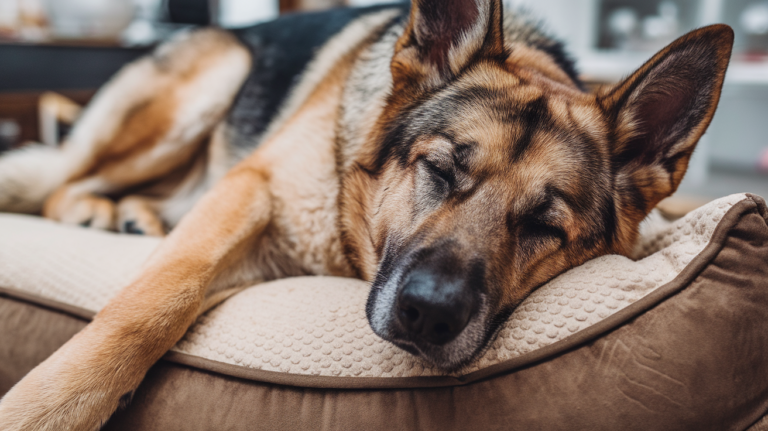
- Respect rest time. When your German Shepherd retreats to their crate or bed, that’s their safe space. Children should learn that a resting dog should be left alone, no matter how cute they look.
- Use calm voices and movements. Shrieking, running frantically, or making sudden movements can overstimulate your dog or trigger their herding instincts. Practice calm greetings and interactions.
Building Positive Associations Through Training
German Shepherds thrive on structure and clear expectations. Incorporating your children into training sessions serves multiple purposes: it establishes your kids as part of the leadership structure, creates positive shared experiences, and gives the dog clear guidelines for behavior around children.
Basic Commands with Kid Involvement
Start with simple commands that your children can practice with the dog under your supervision. Sit, stay, and come are perfect starting points. When your child successfully gives a command and the dog obeys, reward both with enthusiastic praise. This creates a positive feedback loop where the dog associates obedience to children with good things happening.
As your German Shepherd masters basics, graduate to more advanced training. Teaching tricks like “shake,” “roll over,” or “play dead” can be incredibly fun for kids and dogs alike. The laughter and excitement during these sessions cements the bond between them.
Every positive training interaction between your German Shepherd and your children deposits into an emotional bank account that pays dividends in loyalty, trust, and affection.
Managing Energy Levels and Exercise Needs
A tired German Shepherd is typically a well behaved German Shepherd. These dogs have substantial exercise requirements, often needing 60 to 90 minutes of activity daily. When their physical and mental needs aren’t met, they can become restless, destructive, or overly exuberant around children.
Create an exercise routine that can involve your kids when appropriate. Older children can help with walks, play fetch in the backyard, or set up obstacle courses. Younger children can participate in less physically demanding activities like hiding treats around the yard for your dog to find or practicing commands.
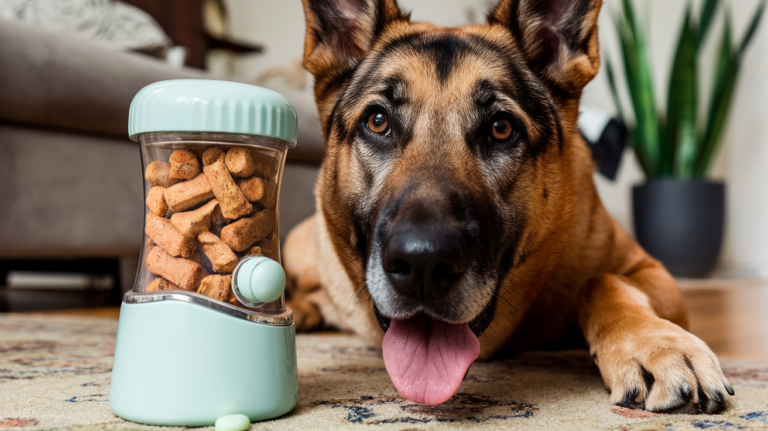
Mental stimulation matters just as much as physical exercise. Puzzle toys, scent work, and training sessions challenge your German Shepherd’s impressive intelligence. A mentally satisfied dog is more likely to be calm and patient during downtime with the family.
Supervision: The Non Negotiable Rule
Let’s be absolutely clear about this: no matter how well trained your German Shepherd is, interactions with young children should always be supervised. This isn’t about distrusting your dog; it’s about being realistic about the unpredictability of both dogs and children.
Young kids don’t always recognize warning signs that a dog is uncomfortable. They might miss the subtle shift in posture, the tension in the jaw, or the whale eye (when you can see the whites of the dog’s eyes) that indicates stress. Your job as the adult is to read these signals and intervene before anyone gets hurt.
Supervision also allows you to reinforce positive behaviors in real time. When you see your German Shepherd being gentle with your toddler, you can immediately praise and reward that behavior. When you notice your child being too rough, you can correct and guide them toward better interactions.
Creating Safe Spaces for Everyone
Your German Shepherd needs a sanctuary where they can retreat when feeling overwhelmed. This might be a crate, a specific room, or a designated corner with their bed. Make this space absolutely off limits to children, explaining that everyone needs quiet time sometimes.
Similarly, children need spaces where they can play with small toys, eat snacks, or engage in activities without the dog interfering. Baby gates can be incredibly useful for creating these boundaries, especially during your German Shepherd’s first year when they’re learning household rules.
The Crate as a Positive Tool
Some people view crates negatively, but when introduced correctly, they become a dog’s favorite retreat. German Shepherds, being den animals by nature, often appreciate having a cozy, enclosed space that’s entirely theirs.
Teach your children that when the dog is in their crate, they are not to be disturbed for any reason. This simple rule prevents countless potential conflicts and gives your German Shepherd confidence that they have control over their need for downtime.
Recognizing and Addressing Warning Signs
Even with perfect training and socialization, you need to stay alert for behaviors that suggest your German Shepherd is uncomfortable around children. Catching these early allows you to address issues before they escalate.
Watch for excessive panting when no physical exertion has occurred, lip licking (when there’s no food involved), yawning in non tired situations, or turning the head away when a child approaches. These are all stress signals.
More concerning behaviors include freezing when touched, low growling, showing teeth, or snapping at the air near a child. Never punish these warning signals. Your dog is communicating discomfort; punishing these communications may teach them to skip warnings and go straight to biting.
If you observe these behaviors, consult with a professional dog trainer or veterinary behaviorist immediately. Sometimes the solution is simple (like ensuring the dog gets more exercise), but other times professional intervention prevents serious problems.
Involving Kids in Care Routines
Giving children age appropriate responsibilities for your German Shepherd’s care accomplishes multiple goals. It teaches kids about commitment and empathy while showing the dog that children are sources of good things.
Younger children can help fill water bowls, place food dishes down at meal times (with adult preparation), or brush the dog with supervision. Older kids might take on walking responsibilities, training sessions, or grooming tasks.
When your German Shepherd sees your children as providers of food, exercise, and attention, the bond strengthens naturally. Care routines transform kids from small humans who sometimes annoy the dog into valued pack members who make life better.
The key is ensuring these tasks don’t become overwhelming for your children. Keep responsibilities manageable and age appropriate. If caring for the dog becomes a chore kids resent, it defeats the purpose of building positive associations.
Patience Through Different Life Stages
Remember that both your German Shepherd and your children will go through various developmental stages. A puppy who adores your toddler might struggle when that same child becomes a running, shrieking preschooler. An adolescent dog going through their “teenage” phase might test boundaries they previously respected.
Stay consistent with rules and training even when it feels like you’re taking steps backward. German Shepherds mature slowly, often not reaching full emotional maturity until age two or three. Throughout this process, maintain your commitment to positive reinforcement, clear boundaries, and supervised interactions.
Your patience during challenging phases pays off enormously. German Shepherds who grow up with children often develop incredibly strong bonds with them, becoming protectors, playmates, and loyal companions who enrich childhood in countless ways.
The relationship between your German Shepherd and your kids won’t build itself, but with intentional effort, consistent training, and genuine commitment to both the dog’s needs and your children’s safety, you’ll create something truly special. These bonds, when formed correctly, become one of the most rewarding aspects of family life with this magnificent breed.