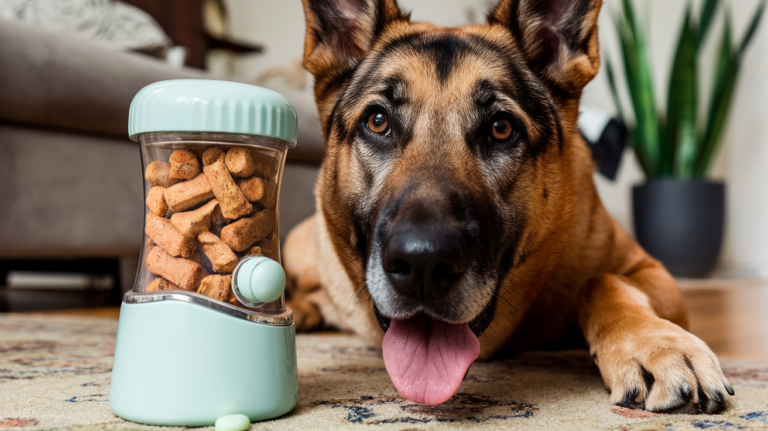
Before you replace another destroyed object, learn the real reasons behind the chewing and the simple fixes that can finally bring peace to your home.
Your beautiful German Shepherd just destroyed your favorite pair of shoes. Again. And yesterday it was the couch arm. The day before? That antique table leg you’ve been meaning to refinish. Sound familiar? You’re not alone in this battle against the mighty jaws of a determined GSD. These intelligent, energetic dogs come equipped with powerful chompers and an instinct to use them, sometimes in ways that leave us pulling our hair out.
The good news is that excessive chewing isn’t a life sentence for your furniture (or your sanity). Understanding why your German Shepherd transforms into a furry wood chipper is the first step toward restoring peace in your home.
Why German Shepherds Chew Everything
The Biological Drive
German Shepherds weren’t bred to be couch potatoes. These working dogs have centuries of genetics pushing them toward activity, engagement, and yes, using their mouths. In the wild, canines use their jaws for everything: carrying objects, exploring textures, relieving stress, and even communicating. Your GSD isn’t trying to irritate you; they’re simply following deeply ingrained instincts.
Puppies between 3 and 6 months experience intense teething discomfort. Their adult teeth pushing through tender gums creates an overwhelming urge to chew something, anything that provides relief. But here’s where German Shepherds differ from some other breeds: their chewing phase often extends well into adolescence, sometimes lasting until they’re two years old.
The Energy Equation
Here’s a truth bomb: A tired German Shepherd is a well-behaved German Shepherd. These dogs were developed to herd sheep for hours across rugged terrain. They crave mental and physical stimulation like we crave coffee on Monday mornings. When that energy has nowhere to go, it gets redirected into destructive behaviors.
Your German Shepherd’s excessive chewing might not be a behavior problem at all. It could be a desperate attempt to burn off energy that’s building up like pressure in a volcano, waiting to explode all over your living room furniture.
An under-exercised GSD is like a ticking time bomb with fur. They’ll find something to do with all that pent-up energy, and unfortunately, your belongings often become the casualties.
Anxiety and Stress
Separation anxiety hits German Shepherds particularly hard. These velcro dogs form intense bonds with their humans, and being alone can trigger genuine distress. Chewing becomes a coping mechanism, a way to self-soothe when they’re feeling anxious or abandoned.
Stress chewing looks different from boredom chewing. Anxious dogs often target items that smell strongly of their owners: shoes, clothing, TV remotes, door frames near exits. They’re seeking comfort through your scent while simultaneously releasing nervous energy.
Identifying the Root Cause
Age-Related Chewing Patterns
| Age Range | Primary Cause | Typical Targets | Duration |
|---|---|---|---|
| 3-6 months | Teething pain | Anything soft or wooden | 2-4 months |
| 6-18 months | Excess energy + exploration | Furniture, shoes, household items | Can last until maturity |
| 18+ months | Boredom, anxiety, or habit | Specific preferred items | Ongoing without intervention |
| Senior years | Dental issues or cognitive decline | Random items, unusual objects | Varies based on health |
Understanding where your German Shepherd falls in this timeline helps you tailor your approach. A teething puppy needs different solutions than an anxious adult dog.
Reading the Destruction
Pay attention to what your dog chews and when the destruction happens. Does your GSD only destroy things when you’re gone? That screams separation anxiety. Do they chew immediately after meals or during specific times of day? You might be dealing with an energy spike or digestive discomfort.
Keep a chewing journal for one week. Note the time of day, what was destroyed, and what was happening before the incident. Patterns emerge quickly, giving you actionable intelligence about your dog’s motivations.
Practical Solutions That Actually Work
Exercise: The Non-Negotiable Foundation
You cannot out-train a lack of exercise. Period. German Shepherds need serious physical activity every single day. We’re talking a minimum of 60 to 90 minutes of real exercise, not just a lazy stroll around the block.
Mix up your routine with:
- Morning runs or bike rides (yes, your dog can run beside your bike with proper training)
- Fetch sessions that actually tire them out (30+ minutes)
- Swimming if you have access to dog-friendly water
- Hiking on varied terrain that engages their minds and muscles
- Agility courses or obstacle training
If your German Shepherd still has enough energy to destroy your house after exercise, you haven’t exercised them enough. It sounds harsh, but it’s the truth that most GSD owners eventually learn.
Mental Stimulation: The Secret Weapon
A mentally exhausted German Shepherd is just as satisfied as a physically tired one, sometimes more so. These brilliant dogs need to use their brains. Puzzle toys, training sessions, and enrichment activities can be absolute game changers.
Try rotating through:
- Puzzle feeders that make them work for breakfast and dinner
- Hide and seek games with treats or favorite toys
- New trick training (15 minutes daily)
- Scent work activities that tap into their natural abilities
- Frozen Kong toys stuffed with peanut butter or wet food
The key word is variety. German Shepherds get bored easily, so what entertained them last week might be old news today.
Appropriate Chew Items
Not all chew toys are created equal. German Shepherds have strong jaws that can demolish “indestructible” toys in minutes. You need heavy-duty options specifically designed for power chewers:
Excellent choices include:
- Elk or deer antlers (naturally shed, not cut)
- Nylon bones rated for aggressive chewers
- Rubber Kong toys in the black (extreme) category
- Bully sticks and other long-lasting natural chews
- Frozen carrots or apple slices for teething puppies
Avoid cooked bones (they splinter), rawhide (choking hazard), and anything small enough to be swallowed whole.
Management and Prevention
Sometimes the simplest solution is also the most effective: don’t give your German Shepherd access to things you don’t want destroyed. Revolutionary concept, right?
Puppy-proof your home like a pro:
- Use baby gates to restrict access to certain rooms
- Crate train for times when you cannot supervise
- Apply bitter apple spray to furniture legs and baseboards
- Keep shoes, remotes, and valuables completely out of reach
- Provide a designated “yes” zone filled with appropriate toys
Think of it as protecting your dog from making bad choices. They lack impulse control, especially when young, so you need to be the executive function they haven’t developed yet.
Training Techniques That Stop Chewing
The Redirect Method
Catch your German Shepherd in the act of chewing something forbidden. Don’t yell or punish (that increases anxiety and can worsen the behavior). Instead, calmly interrupt with a neutral sound like “ah ah” or a hand clap.
Immediately offer an appropriate chew toy with enthusiasm. When they take it, praise them like they just won the Nobel Prize. You’re teaching them that some things are acceptable to chew and others aren’t, but the lesson only sticks with consistency.
Positive Reinforcement Training
Reward your dog every single time you catch them chewing something appropriate. Treats, praise, pets, whatever motivates your specific GSD. You want to create a powerful association: chewing my toys equals good things happening.
Set up success scenarios. Place approved chew toys in areas where your dog tends to get into trouble. When they choose the toy over the furniture, jackpot reward! Make it rain treats.
The “Leave It” Command
This foundational command is worth its weight in gold. Teaching a solid “leave it” gives you the power to stop destructive chewing before it starts.
Start small. Place a treat on the floor, cover it with your hand, and say “leave it.” When your dog stops trying to get it, reward with a different treat from your pocket. Gradually increase difficulty until your GSD will leave tempting items alone on command, even at a distance.
Addressing Separation Anxiety
If anxiety drives the chewing, you need to tackle the underlying emotion, not just the symptom. This process takes time and patience.
Begin with extremely short absences. Leave for 30 seconds, come back before your dog shows stress. Gradually extend the time as they learn that you always return. Never make departures or arrivals a big deal; keep them calm and casual.
Consider these additional tools:
- Calming music or white noise
- Comfort items with your scent
- Interactive cameras that dispense treats
- Professional behaviorist consultation for severe cases
When to Seek Professional Help
Sometimes DIY solutions aren’t enough. If your German Shepherd’s chewing persists despite your best efforts, or if it’s accompanied by other concerning behaviors (aggression, excessive barking, destructiveness beyond chewing), bring in a professional.
Red flags that warrant expert intervention:
- Chewing that causes injury to your dog
- Obsessive or compulsive chewing behaviors
- Chewing combined with severe separation anxiety
- No improvement after 4 to 6 weeks of consistent training
- Destruction that escalates in intensity
A certified dog behaviorist or veterinary behaviorist can identify issues you might miss and create a customized plan for your specific situation.
Living Successfully With a German Shepherd
The question isn’t whether your German Shepherd will chew. They absolutely will. The real question is whether they’ll chew appropriate items or your entire house. That choice, ultimately, is determined by the environment, structure, and outlets you provide.
These magnificent dogs require commitment, consistency, and understanding. They’re not low-maintenance pets, and anyone who tells you otherwise is selling something. But when you meet their needs properly, you get a loyal companion who’s a joy to live with instead of a destructive force of nature.
Your German Shepherd isn’t being bad. They’re being a dog, and specifically, a working breed dog with needs that must be met. Provide adequate exercise, mental stimulation, appropriate chew items, and consistent training, and watch that excessive chewing transform into manageable, normal canine behavior.
The furniture (and your sanity) will thank you.