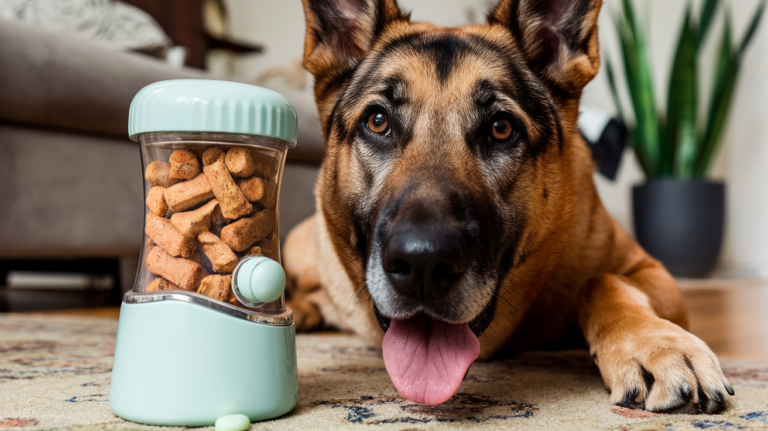
Trust grows through everyday moments. These practical bonding tips strengthen your relationship on a deeper level.
Getting a German Shepherd and actually bonding with one are two completely different adventures. Sure, you brought home that adorable ball of fluff with oversized ears, but now you’ve got a 70-pound athlete who seems to have opinions about everything. The couch arrangement? She’s got thoughts. Your jogging pace? Too slow. That stranger at the door? Definitely suspicious.
Here’s the beautiful part, though. When you crack the code on connecting with your German Shepherd, you’ll have a companion who understands you better than most humans do. These dogs don’t do anything halfway. They’re all in, completely devoted, ridiculously loyal. Building that bond just requires knowing what makes these incredible animals tick.
Understanding the German Shepherd Mindset
Before you can bond deeply with your GSD, you need to get inside that beautiful, complex brain. German Shepherds aren’t like other breeds. They weren’t designed to sit prettily on laps or chase balls mindlessly (though they’ll do the latter with enthusiasm). These dogs were engineered for work, partnership, and problem solving.
Your German Shepherd is always thinking. Always assessing. Always wondering what comes next. This mental intensity means they need more than physical exercise; they need mental stimulation that challenges them and makes them feel useful. A bored German Shepherd isn’t just destructive. She’s also unhappy, and an unhappy GSD will struggle to bond effectively.
The Working Dog Mentality
German Shepherds possess what trainers call a “biddable” nature, meaning they genuinely want to please you. But here’s the catch: they also want to understand why they’re doing something. Unlike breeds that follow commands simply because you said so, GSDs need to see the logic. They’re the philosophers of the dog world, constantly asking “but why?”
This trait makes them exceptional working dogs but can frustrate owners who expect blind obedience. Instead of fighting this questioning nature, embrace it. When you help your German Shepherd understand the purpose behind commands and activities, she’ll engage more deeply and bond more strongly.
The Foundation: Trust and Consistency
Trust is the currency of the German Shepherd world. Every interaction either deposits trust into your relationship bank or withdraws from it.
Nothing matters more for bonding than establishing yourself as trustworthy and consistent. German Shepherds have incredible memories. They remember every promise you keep and every one you break. Show up late for walk time once? She’ll forgive you. Do it repeatedly? She’ll start doubting your reliability.
Consistency doesn’t mean rigidity, though. It means being predictable in your responses, fair in your corrections, and reliable in your affection. Your GSD should know that when you say “come,” you mean it. When you promise a walk, it happens. When she looks to you for guidance, you provide it calmly and confidently.
Creating Predictable Routines
German Shepherds thrive on structure. Not because they’re control freaks (okay, maybe a little), but because routines create safety and understanding. When your dog knows what to expect, she can relax. That relaxation is essential for deep bonding.
Consider establishing these key routines:
| Routine Type | Bonding Benefit | Frequency |
|---|---|---|
| Morning greeting ritual | Starts each day with connection | Daily |
| Training sessions | Builds communication and teamwork | 2-3 times daily, 10-15 minutes |
| Dedicated walk time | Provides exploration and side-by-side time | 1-2 times daily |
| Evening wind-down | Creates calm, close proximity time | Daily |
| Weekly adventure | Offers novelty and shared experience | Weekly |
Physical Bonding Through Activities
German Shepherds bond through doing things together. Sitting on the couch has its place, but your GSD will connect with you most powerfully when you’re both engaged in purposeful activity.
High Energy Activities That Strengthen Bonds
Hiking and trail running top the list of bonding activities. These adventures satisfy your German Shepherd’s need for exercise, mental stimulation (all those new smells!), and partnership. Walking side by side through nature, navigating terrain together, and exploring new environments creates a team dynamic that’s hard to replicate elsewhere.
Fetch with a purpose transforms a simple game into bonding time. Instead of mindless throwing, create scenarios where your dog has to problem solve. Hide the ball and let her search. Throw it into shallow water. Use different objects and ask her to retrieve specific ones. The mental engagement combined with physical activity deepens your connection.
Agility training, even informal backyard versions, speaks directly to the German Shepherd’s working dog soul. Setting up simple obstacles, teaching her to navigate them, and celebrating successes together builds incredible teamwork. You don’t need expensive equipment; household items work perfectly for creating courses.
Mental Stimulation: The Secret Ingredient
Here’s what many German Shepherd owners miss: physical exhaustion without mental satisfaction creates a tired but unfulfilled dog. Your GSD needs to use that powerful brain.
A mentally stimulated German Shepherd is a bonded German Shepherd. When you challenge her mind, you’re speaking her love language.
Brain Games That Build Connection
Scent work taps into your dog’s natural abilities while creating a unique partnership. Hide treats around your home and encourage her to find them. Gradually increase difficulty. This activity requires her to trust your cues and work with you toward a goal, which is bonding gold.
Training new tricks serves double duty: it exercises her brain and creates communication pathways between you. The process of learning together, with you as patient teacher and her as eager student, naturally strengthens your relationship. Focus on complex, multi-step tricks that require sustained focus and cooperation.
Interactive puzzle toys provide mental challenges, but here’s the bonding twist: work through them together. Don’t just give your GSD a puzzle and walk away. Sit with her, offer encouragement, celebrate breakthroughs. Your presence and participation transform solitary activity into bonding time.
Communication: Learning Each Other’s Language
German Shepherds are incredibly communicative, but most owners miss half the conversation. These dogs use subtle body language, eye contact, and vocalizations to express complex thoughts. When you learn to read and respond to these signals, your bond deepens exponentially.
Reading Your German Shepherd’s Signals
Pay attention to ear position. Forward and alert means she’s focused and engaged. Back and slightly lowered often indicates uncertainty or a desire to please. Rapidly changing positions suggest she’s processing information and looking to you for guidance.
Eye contact with German Shepherds is particularly meaningful. They use prolonged eye contact to communicate affection and check in with their humans. When your GSD holds your gaze, she’s bonding. Return that gaze calmly and warmly. This simple exchange builds connection more powerfully than many realize.
Watch her tail beyond just wagging. A loose, sweeping wag indicates genuine happiness. A stiff, high wag suggests alertness or potential aggression. A tucked tail shows fear or submission. Responding appropriately to these signals shows her you understand, which builds trust.
Quality Time: It’s Not Just About Quantity
Five minutes of focused, intentional interaction beats an hour of distracted coexistence.
Many owners make the mistake of thinking bonding happens automatically through proximity. Your German Shepherd lying near you while you scroll your phone doesn’t create deep connection. True bonding requires presence, attention, and intentionality.
Maximizing Bonding Moments
Morning greetings set the tone for the entire day. Instead of rushing past your GSD to make coffee, spend two focused minutes with her first. Eye contact, calm petting, maybe a quick training session. This intentional start communicates her importance to you.
Training before meals creates powerful positive associations. Spend five minutes working on commands or tricks before breakfast or dinner. Your GSD learns that cooperating with you leads to good things, and the mental engagement before eating satisfies her working dog nature.
Bedtime routines provide another opportunity for focused bonding. A calm brushing session, gentle massage, or quiet time together helps her settle while reinforcing your connection. German Shepherds often become most affectionate during these quiet moments.
Handling and Touch: Building Physical Trust
German Shepherds can be sensitive about handling, especially if not properly socialized. Building comfort with touch requires patience and respect for boundaries, but the payoff is enormous. A GSD who trusts you to handle her anywhere, anytime, is a deeply bonded dog.
Positive Touch Practices
Start with areas most dogs enjoy: chest scratches, behind the ears, along the back. Use confident, calm strokes. Nervous, hesitant touching makes dogs nervous. As trust builds, gradually introduce handling of paws, tail, mouth, and ears. Pair handling with treats and praise initially.
Grooming sessions become bonding opportunities when approached correctly. Brush slowly and mindfully, talking softly to your dog. Check for any bumps, cuts, or issues. This combination of physical touch and health monitoring builds trust while showing care.
Regular massage might sound indulgent, but German Shepherds often carry tension in their shoulders and hips from their active lifestyles. Learning basic canine massage techniques and spending ten minutes a few times weekly provides physical relief while deepening your emotional connection.
The Power of Boundaries and Leadership
Here’s an unpopular truth: your German Shepherd bonds more deeply when you provide clear leadership. This doesn’t mean dominance or harsh corrections. It means confident guidance that helps her navigate the world safely.
German Shepherds are protectors by nature. Without clear leadership, they’ll assume that role themselves, which creates stress and anxiety. When you calmly handle situations, make decisions, and provide structure, your GSD can relax into being a dog rather than feeling responsible for managing everything.
Set clear rules and enforce them consistently. If the couch is off limits, it’s always off limits, not just when guests visit. If jumping on people isn’t allowed, that applies to everyone, including you when you’re in old clothes. This clarity creates security, and security enables bonding.
Addressing Challenges Together
Every German Shepherd presents unique challenges, whether reactivity to strangers, separation anxiety, or resource guarding. How you handle these challenges dramatically impacts your bond. View problems as opportunities to work together rather than character flaws to punish.
When your GSD struggles, she needs a patient partner who helps her develop better coping strategies. Punishment damages trust; guidance builds it. Working through behavioral issues together, especially with professional help when needed, creates a partnership that transcends the typical owner and pet relationship.
Your German Shepherd isn’t looking for perfection from you. She’s looking for consistency, patience, and genuine partnership. Give her those things, invest time in understanding her unique personality, and you’ll build a bond that transforms both of your lives in ways you never imagined possible.