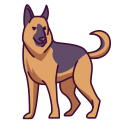
 German Shepherd
 Fur is flying. It’s stuck to your couch, your black pants, your coffee mug somehow, and your German Shepherd is standing in the middle of it all looking absolutely unbothered. Sound familiar?
Grooming a German Shepherd isn’t just about keeping your house from turning into a fur museum. It’s about keeping your dog healthy, comfortable, and looking like the majestic working dog they were born to be.
The good news? Three simple steps are all that stand between you and a coat that actually turns heads at the dog park.
Why the German Shepherd Coat Is Its Own Beast
Before we get into the steps, let’s talk about what you’re actually working with.
German Shepherds have a double coat: a dense, soft undercoat sitting beneath a harsher, longer outer layer called the guard coat. These two layers work together to regulate your dog’s body temperature year-round. It’s genuinely impressive biology.
Shedding Season Is Not a Myth
Twice a year, usually in spring and fall, German Shepherds “blow” their undercoat. This is not regular shedding. This is a full-scale, fur-everywhere, where-does-it-end shedding event that can last several weeks.
“Skipping regular grooming during a coat blow isn’t just inconvenient. It can lead to painful matting, skin irritation, and a dog that’s genuinely uncomfortable in its own skin.”
The rest of the year brings what we’ll generously call “moderate” shedding. Which still means a lot of fur. Just, you know, manageable amounts.
Short Coat vs. Long Coat German Shepherds
Not all German Shepherds have the same coat length. The classic medium-length coat is most common, but long-coated German Shepherds exist too. They’re stunning. They’re also a bit more work.
Long-coated Shepherds have feathering around the ears, legs, and tail that tangles more easily. If that’s your dog, just know that the three steps still apply; you’ll simply need to linger longer on certain areas.
Step 1: Brushing (The Foundation of Everything)
No product, no fancy shampoo, no grooming tool is going to matter if brushing isn’t happening consistently.
For most German Shepherds, brushing two to three times per week is the baseline. During a coat blow, daily brushing isn’t overkill. It’s survival.
The Right Tools Make a Massive Difference
Walk into any pet store and the grooming aisle can feel overwhelming. Here’s what you actually need.
An undercoat rake or deshedding tool (like the Furminator) gets deep into that soft underlayer and pulls out loose fur before it ends up on your furniture. This is the workhorse of your toolkit.
A slicker brush is your finishing tool. It smooths the outer coat, catches anything the rake missed, and gives that polished, healthy shine.
A wide-tooth metal comb is especially useful for long-coated dogs or for working through any minor tangles around the ears and tail.
How to Actually Brush a German Shepherd
Start at the neck and work toward the tail, always brushing in the direction of hair growth first. Then go back and use the undercoat rake against the grain in sections to lift and remove the undercoat.
It sounds like a lot. Once you build a rhythm, a solid brushing session takes about 15 to 20 minutes. Put on a podcast. Your dog will eventually stop squirming.
“Brushing isn’t just grooming. It’s one of the most effective ways to bond with your dog, check for skin issues, lumps, or parasites, and catch problems before they become vet visits.”
Step 2: Bathing (Less Often Than You Think)
Here’s something a lot of German Shepherd owners get wrong: bathing too frequently.
The natural oils in your dog’s coat are doing important work. They protect the skin, maintain moisture balance, and keep the coat looking healthy. Stripping those oils with too-frequent washing creates dryness, flakiness, and a coat that looks dull no matter what you do.
How Often Should You Bathe a German Shepherd?
Every six to eight weeks is the sweet spot for most dogs. If your Shepherd rolled in something unspeakable, obviously you don’t wait six weeks. But as a routine, less is genuinely more.
Between baths, a quick wipe-down with a damp cloth or a waterless dog spray can freshen things up without disrupting the coat’s natural balance.
Shampoo Choice Matters More Than You Think
Use a dog-specific shampoo formulated for double coats or sensitive skin. Human shampoo has the wrong pH for dogs and will dry out the coat over time.
If your German Shepherd deals with skin sensitivity, look for shampoos with oatmeal or aloe vera. If shedding is your main concern, there are deshedding shampoos that loosen dead undercoat during the bath itself, making post-bath brushing dramatically easier.
The Bathing Technique That Changes Everything
Wet the coat thoroughly before applying any shampoo. German Shepherd fur is dense; it takes longer than you expect to fully saturate.
Work shampoo in down to the skin, not just through the top of the coat. Rinse longer than you think you need to. Shampoo residue left in the undercoat causes itching and buildup, and it’s one of the most common reasons coats look lackluster even after a bath.
Step 3: Drying and Finishing (Don’t Skip This)
Letting a German Shepherd air dry sounds easy. For most double-coated dogs, it’s actually a setup for problems.
A coat that stays damp close to the skin for hours can develop a condition called hot spots: red, irritated patches of skin that are uncomfortable for your dog and stubborn to treat. Especially in warmer months or humid climates, getting the coat fully dry matters.
Blow Drying a German Shepherd
A high-velocity pet dryer is the gold standard if you’re serious about coat maintenance. These force air through the coat at high speed, separating the hair, blasting out loose undercoat, and cutting drying time dramatically compared to a standard blow dryer.
Regular human blow dryers work in a pinch. Keep the heat on low or cool, hold it several inches from the coat, and keep it moving constantly to avoid any concentrated heat on the skin.
Brushing While Drying
This is the secret move that most casual groomers skip: brush while you dry.
As the coat dries, use your slicker brush to work through sections simultaneously. This prevents any tangling as the fur sets, encourages the outer coat to lie flat and smooth, and gives you that polished, professional-looking finish.
It’s the difference between a coat that looks “fine” and one that looks genuinely spectacular.
“The finishing brush is what separates a groomed dog from a groomed dog. Anyone can run a brush through dry fur. Working through the coat as it dries is where the real results happen.”
Bonus Habits That Keep the Coat at Its Best
The three steps above are the core of coat maintenance. A few supporting habits take results even further.
Diet is huge. A coat is only as good as the nutrition behind it. High-quality protein, omega-3 and omega-6 fatty acids, and proper hydration all show up directly in coat quality. If your Shepherd’s coat looks dry or dull despite good grooming, nutrition is the first place to look.
Supplements like fish oil can make a noticeable difference in shine and skin health within a few weeks of consistent use. Talk to your vet before adding anything new.
Don’t Forget the Overlooked Areas
The main body gets all the grooming attention, but German Shepherds accumulate undercoat in sneaky spots: behind the ears, under the “armpits,” along the collar line, and at the base of the tail.
These areas mat faster than anywhere else. A quick pass with a comb through each of these zones at every brushing session prevents small tangles from becoming serious ones.
Consistency beats intensity every time. A 15-minute brushing session three times a week will always outperform one exhausting two-hour grooming marathon once a month. Build the habit small. Your dog’s coat (and your couch cushions) will thank you.