Too much or too little walking causes problems. Learn the ideal daily walk time that keeps your German Shepherd healthy, calm, and well behaved.
German Shepherds possess an almost supernatural ability to look simultaneously regal and mischievous. They’re the dogs that somehow convince you they haven’t been walked in weeks when it’s been exactly four hours. But beneath that dramatic flair lies a genuine need for substantial daily exercise.
These dogs descended from working lines where herding sheep across German pastures was just another Tuesday. That genetic programming doesn’t disappear just because your GSD’s biggest responsibility now is supervising you from the couch. Meeting their walking needs determines whether you live with a calm, happy companion or a four-legged tornado with separation anxiety and furniture redesign ideas.
Understanding the German Shepherd Energy System
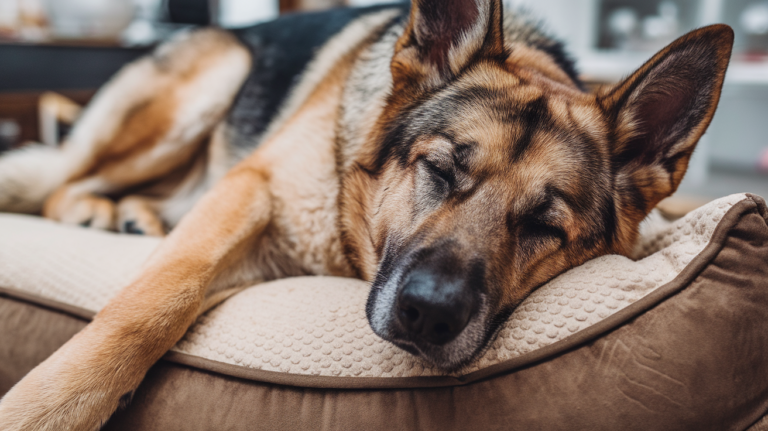
German Shepherds operate on what I call the “working dog paradox.” They can go from zero to sixty faster than most sports cars, maintain that energy for hours, and then crash into the deepest sleep you’ve ever witnessed. This isn’t a bug; it’s a feature developed over generations of breeding.
The average adult German Shepherd needs between 90 to 120 minutes of exercise daily. Yes, you read that correctly. We’re not talking about a leisurely stroll around the block where they sniff every mailbox for twenty minutes (though that has its place). We’re discussing sustained, purposeful activity that engages both body and mind.
Breaking Down the Numbers by Life Stage
Different ages demand different approaches, and treating all German Shepherds the same is like expecting goldfish and dolphins to need identical aquariums.
| Life Stage | Daily Walking Time | Intensity Level | Special Considerations |
|---|---|---|---|
| Puppy (8 weeks to 6 months) | 20-40 minutes | Low to Moderate | Multiple short sessions; avoid overexertion |
| Adolescent (6 months to 2 years) | 60-90 minutes | Moderate to High | Peak energy period; needs mental stimulation |
| Adult (2 to 7 years) | 90-120 minutes | High | Prime fitness; can handle varied terrain |
| Senior (7+ years) | 60-90 minutes | Moderate | Watch for joint issues; gentler pace |
Puppies require special attention because their growth plates haven’t closed yet. Too much impact exercise can cause permanent skeletal damage. Think of them like human toddlers; they need activity but in smaller, more frequent doses. The general rule? Five minutes of exercise per month of age, twice daily. So a four month old puppy gets about 20 minutes, two times a day.
The Quality Over Quantity Principle
Here’s something most articles won’t tell you: walking duration matters less than walking quality. A German Shepherd can trudge beside you for two hours on a boring sidewalk route and still have enough pent-up energy to redecorate your living room with couch stuffing.
The goal isn’t to exhaust your German Shepherd into submission. It’s about providing enriching experiences that satisfy their working dog instincts and create a mentally fulfilled companion.
What Makes a Walk “Quality”
Varied terrain ranks at the top. Pavement, grass, hills, sand, forest trails… each surface provides different physical challenges and sensory experiences. Your GSD’s paws and joints benefit from the variety, and their brain gets a workout processing new environments.
Mental stimulation transforms ordinary walks into adventures. Let them sniff (really sniff, not just quick passes), practice training commands, navigate obstacles, or carry a dog backpack with light weights. German Shepherds were bred to think while working, and walks should engage that incredible mind.
Social opportunities matter tremendously. Controlled interactions with other dogs, meeting friendly strangers (if your dog enjoys that), or even just observing the world from different vantage points contributes to their psychological health.
Weather and Seasonal Adjustments
German Shepherds sport those gorgeous double coats for a reason. They handle cold weather like champions but summer heat? That’s their kryptonite. When temperatures soar above 80°F (27°C), you’ll need to make serious adjustments.
Summer strategies include:
- Walking during early morning or late evening hours
- Bringing collapsible water bowls and plenty of fresh water
- Testing pavement temperature with your hand (if it’s too hot for your palm, it burns their paws)
- Shortening walk duration and increasing frequency
- Considering swimming or indoor activities as alternatives
Winter presents different challenges. Ice, salt on sidewalks, and extreme cold require protective booties for some dogs. However, many German Shepherds absolutely thrive in cold weather, channeling their snow-loving ancestors.
Beyond the Basic Walk: Complementary Activities
Walking serves as the foundation, but German Shepherds often need additional outlets for their energy and intelligence. Think of walks as the main course and these activities as essential side dishes:
Fetch sessions provide intense cardio in shorter time frames. Fifteen minutes of fetch can equal an hour of walking, intensity wise.
Training exercises tap into their desire to work and please. Even ten minutes of focused obedience or trick training exhausts their brain in wonderful ways.
Agility work (even makeshift courses in your backyard) combines physical and mental challenges perfectly suited to the breed.
Interactive puzzle toys earn their keep on days when weather or your schedule makes extended walks impossible.
The Individual Dog Factor
Cookie cutter advice fails with German Shepherds because they’re individuals with unique needs, just like people. Some GSDs could hike for six hours and ask for more. Others are perfectly content with moderate exercise and extensive cuddle sessions.
Your specific German Shepherd’s exercise needs depend on their breeding lines, individual temperament, health status, and current fitness level. The “right” amount of walking is whatever keeps YOUR dog mentally and physically balanced.
Working line German Shepherds typically need more exercise than show line dogs. Dogs from European bloodlines often have higher drive than American lines (though this isn’t a hard rule). A GSD who comes from police or military working parents might make your standard exercise recommendations look quaint.
Reading Your Dog’s Signals
Your dog communicates their exercise needs constantly if you know what to look for:
Destructive behavior, excessive barking, pacing, or inability to settle often scream “I need more physical activity!” A well-exercised German Shepherd should be calm indoors, able to relax, and generally pleasant to live with.
Conversely, limping, reluctance to move, excessive panting long after exercise, or sleeping for unusual periods might indicate you’re overdoing it. Joint issues, especially hip dysplasia (unfortunately common in the breed), require modified exercise programs under veterinary guidance.
Creating Your Customized Walking Schedule
The theoretical ideal matters less than practical implementation. Here’s how to build a sustainable routine:
Split sessions work better than marathon walks for most families. Two 45-minute walks suit busy schedules better than one two-hour expedition. Plus, it gives your dog something to anticipate twice daily.
Consistency trumps intensity. Your German Shepherd’s body and mind adapt to regular schedules. Sporadic weekend warrior behavior (no exercise Monday through Friday, then eight-mile hikes on Saturday) creates stressed, confused dogs and increases injury risk.
Progressive building applies to German Shepherds returning from injury, starting exercise programs, or transitioning between life stages. You wouldn’t run a marathon without training; don’t expect your dog to suddenly handle intense exercise without preparation.
Start wherever your dog is currently comfortable, then gradually increase duration or intensity by about 10% per week. This measured approach builds fitness safely while preventing burnout (yours and theirs).
When Walking Isn’t Enough
Sometimes, despite your best efforts, walks alone don’t cut it. High-drive German Shepherds might need jobs beyond basic exercise. This is where channeling their working heritage becomes crucial.
Consider activities like nose work, where they use their incredible scenting abilities to find hidden objects. Tracking training taps into instincts that made their ancestors valuable farm dogs. Protection sports (conducted properly with professional guidance) can satisfy their guardian instincts in controlled environments.
Some German Shepherds genuinely need structured jobs. Therapy dog work, service dog tasks, or even simple responsibilities like carrying newspapers or fetching specific items give them purpose beyond exercise.
The most behaviorally sound German Shepherds aren’t necessarily the ones who walk the longest distances. They’re the ones whose physical, mental, and instinctual needs are met through varied, purposeful activities.
Health Conditions That Change Everything
Certain medical conditions completely rewrite exercise requirements. Hip dysplasia, elbow dysplasia, degenerative myelopathy, and arthritis all necessitate modified programs designed with veterinary input.
Interestingly, appropriate exercise often helps manage these conditions. Complete rest typically worsens joint problems. The key word? Appropriate. Swimming and controlled leash walking on soft surfaces might replace hiking and running.
Obesity (affecting roughly 30% of German Shepherds) creates a vicious cycle. Overweight dogs need more exercise to lose weight but struggle with the very activity that would help them. Start with shorter, more frequent walks, gradually building as weight comes off and fitness improves.
Young dogs recovering from spay or neuter surgery need restricted activity for 10 to 14 days, then gradual reintroduction to normal routines. Respect these limitations; the consequences of too much too soon include dangerous complications.
The Bottom Line on Walking Your German Shepherd
German Shepherds need substantial daily exercise, generally 90 to 120 minutes for healthy adults, adjusted for age, health, and individual needs. But numbers tell only part of the story. Quality, variety, and mental engagement matter as much as duration.
Your relationship with your German Shepherd improves dramatically when you meet their exercise needs. That intense stare transforms from accusatory to adoring. The destructive behaviors disappear. Your couch remains intact. And you gain a hiking partner, running companion, or walking buddy who thinks you hung the moon specifically for their enjoyment.
Listen to your dog, work with your veterinarian, and adjust as needed. The “perfect” walking schedule is the one you’ll actually maintain while keeping your German Shepherd happy, healthy, and appropriately tired. Because at the end of the day, a well-exercised German Shepherd is simply the best version of themselves, which is pretty spectacular indeed.