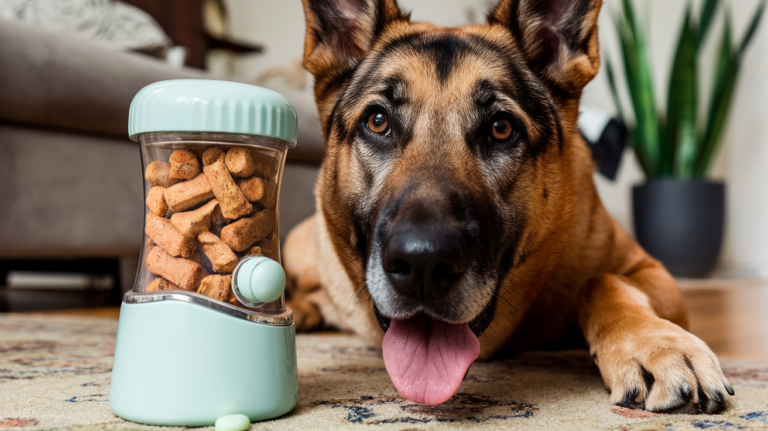
Routine brings comfort and security. This explains why structure makes German Shepherds calmer and more connected to you.
German Shepherds are basically the Type A personalities of the dog world. While your neighbor’s Golden Retriever might roll with whatever chaos the day brings, your GSD is mentally updating their daily planner and getting anxious when dinner is five minutes late. It’s not neurotic behavior; it’s actually deeply ingrained intelligence at work.
These magnificent dogs don’t just prefer routine—they absolutely crave it the way some of us need our morning coffee. Understanding this fundamental aspect of their personality isn’t just interesting trivia for dog park conversations. It’s the secret to unlocking a deeper bond with your four-legged partner and creating a happier, more balanced companion.
The Science Behind the Schedule
German Shepherds possess an almost supernatural ability to internalize time patterns, and there’s legitimate neuroscience backing this up. Their brains develop strong neural pathways around repeated activities, essentially creating mental maps of their day. When these expectations are met consistently, their brains release dopamine and serotonin, the same feel-good chemicals humans experience during satisfying, predictable moments.
Think about how you feel when your favorite coffee shop knows your order before you speak, or when you sink into your side of the couch after a long day. That’s the neurological reward your German Shepherd experiences every single time their routine unfolds as expected. But multiply that feeling because dogs experience time differently than humans—each successful routine completion is a small victory that reinforces their sense of security.
The Working Dog Legacy
German Shepherds were originally bred in the late 1800s for herding sheep, a job requiring incredible discipline, focus, and yes, adherence to routine. Captain Max von Stephanitz, who standardized the breed, specifically selected for dogs that could work independently while maintaining consistent behavioral patterns throughout long days in the field.
This heritage means your modern German Shepherd carries generations of genetic programming that says “predictable work patterns = success and safety.” Even if your GSD’s most strenuous daily task is supervising you from the couch, their brain still craves that structured framework their ancestors depended on.
Breaking Down the Daily Routine Elements
Not all routines are created equal when it comes to German Shepherds. Some elements matter far more than others to your dog’s psychological wellbeing. Here’s what actually moves the needle:
| Routine Element | Importance Level | Why It Matters |
|---|---|---|
| Feeding Times | Critical | Regulates metabolism, reduces anxiety, establishes trust |
| Walking Schedule | Critical | Physical outlet, mental stimulation, territory patrol |
| Training Sessions | High | Mental exercise, bonding, fulfills working instinct |
| Play Time | High | Stress relief, relationship building, energy release |
| Quiet/Rest Periods | Medium | Prevents overstimulation, allows processing |
| Grooming Routine | Medium | Bonding activity, health monitoring, calming ritual |
Morning Matters Most
The first two hours after your German Shepherd wakes up set the tone for their entire day. A rushed, chaotic morning where breakfast happens at random times and the walk gets skipped because you overslept? Your dog will carry that unsettled energy through the afternoon like a low-grade anxiety hum.
Conversely, when mornings follow a predictable pattern (wake up, bathroom break, breakfast at the same time, morning walk, then settling period), your GSD’s cortisol levels stabilize quickly. They can actually relax because they know what’s coming next. This isn’t anthropomorphizing; it’s observable behavioral science.
The predictability of routine doesn’t restrict your German Shepherd’s freedom. It creates the secure foundation from which they can confidently explore, play, and bond with you.
The Trust Factor: Why Consistency Equals Love
Here’s where routine transcends mere scheduling and enters the realm of relationship building. Every time you follow through on your German Shepherd’s established routine, you’re making a promise and keeping it. Dogs don’t understand explanations like “Sorry buddy, I got caught in traffic.” They understand patterns and reliability.
When you feed them at the same time daily, walk them on schedule, and maintain consistent training expectations, you’re communicating in the clearest possible way: “I am dependable. You are safe with me. Your needs matter.” This is how trust is built in the canine world, particularly with a breed as observant and intelligent as German Shepherds.
Reading Your Reliability
German Shepherds are masters at pattern recognition. They notice when you grab your keys before leaving, when you put on certain shoes that mean walk time, when you reach for the treat bag during training. They’re constantly cataloging these micro-routines and using them to predict what happens next.
When your actions align with their predictions most of the time, you become their stable anchor point in an unpredictable world. But here’s the thing: occasional disruptions won’t destroy this trust, provided the overall pattern remains intact. Think of it like building credit; consistent deposits allow for occasional withdrawals without breaking the bank.
The Anxiety Connection
Let’s talk about what happens when routine breaks down completely. German Shepherds are particularly prone to anxiety disorders, including separation anxiety, generalized anxiety, and situational anxiety. While genetics and early socialization play roles, inconsistent routines are like gasoline on this fire.
A German Shepherd without routine is a dog in a constant state of low-level stress. They don’t know when food is coming, so they might fixate on it. They’re unsure when exercise will happen, so their energy has no proper outlet. Training expectations shift randomly, so they become hesitant and unsure. This accumulated uncertainty often manifests as:
- Destructive chewing and digging
- Excessive barking or whining
- Hypervigilance and inability to settle
- Aggressive or reactive behavior
- Obsessive licking or pacing
- Digestive issues and appetite changes
The Cortisol Cascade
When a German Shepherd lives in routine chaos, their adrenal glands are constantly pumping out stress hormones. Chronic elevated cortisol doesn’t just make your dog feel crummy; it suppresses their immune system, interferes with learning and memory, and can even shorten their lifespan. Routine isn’t a luxury for this breed—it’s preventive medicine.
Your German Shepherd’s need for routine isn’t demanding or difficult. It’s actually one of the simplest ways to dramatically improve their quality of life.
Building the Perfect Routine (Without Becoming Obsessive)
The goal isn’t to become a slave to the clock or never deviate from your schedule. The goal is creating a flexible structure that provides your German Shepherd with enough predictability to feel secure while allowing you to maintain a normal human life.
Start with the non-negotiables: feeding times and potty breaks. These should happen within the same 30-minute window daily. From there, add layers of routine around exercise, training, and play. But here’s the secret: the activities themselves matter less than the consistent timing of those activities.
The Weekend Adjustment
Many German Shepherd owners notice their dogs seem confused or anxious on weekends when the weekday routine gets disrupted. Your dog doesn’t understand the concept of weekends; they just know everything feels wrong. The solution? Create a separate but equally consistent weekend routine. Different timing is fine, as long as Saturday and Sunday follow their own predictable patterns.
Routine as Love Language
Perhaps the most beautiful aspect of understanding your German Shepherd’s need for routine is recognizing it as a form of communication and affection. When you prioritize their schedule, you’re saying “I see you, I understand you, and your wellbeing matters to me” in a way they can actually comprehend.
Meeting your German Shepherd’s need for routine isn’t about control. It’s about providing the stable framework they need to be their best, happiest, most confident selves.
This breed bonds intensely with their families, and part of that bonding process involves learning and trusting in your patterns. The German Shepherd who knows their person will always take them for a walk after breakfast isn’t just physically exercised—they’re emotionally fulfilled. They’ve had their expectations met, their trust validated, and their understanding of the world confirmed.
Small Routines, Big Impact
You don’t need elaborate schedules covering every minute of the day. Sometimes the smallest, most specific routines create the biggest emotional payoffs. Maybe it’s the way you always scratch behind their ears before filling their food bowl, or how you consistently say “good job” after they come back inside from the yard, or your nightly routine of sitting together for ten minutes before bed.
These micro-routines become the threads that weave your relationship together. Your German Shepherd isn’t just living in your home; they’re participating in a shared rhythm of life that makes sense to them. And in that predictable dance of daily living, they find not just comfort, but genuine happiness.
The next time your German Shepherd starts their pre-walk excitement exactly on schedule, or settles into their bed at the same time every evening, or reminds you that you’re three minutes late with dinner, remember: this isn’t neediness or rigidity. It’s their way of engaging with a world you’ve made comprehensible and safe. And honestly? That’s pretty much the definition of love in dog language.