If your Schnauzer loves chewing everything, it’s not just mischief. Find out why it happens and how to gently teach better behaviors.
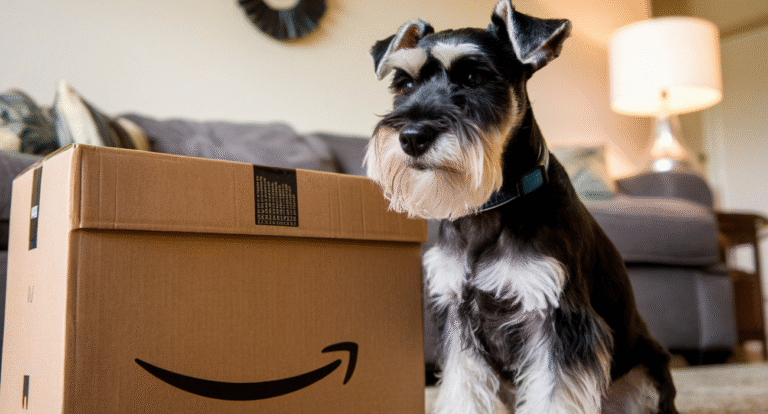
Your favorite shoes are destroyed. The TV remote has teeth marks. That expensive couch cushion? Now a fluffy crime scene. If you own a Schnauzer, this scenario probably sounds painfully familiar. These bearded little dynamos have a reputation for turning your belongings into their personal chew toys, and honestly, they’re really good at it.
But here’s the thing: your Schnauzer isn’t plotting revenge or trying to ruin your life. There’s actually some fascinating canine psychology behind all that destructive chomping. Understanding why your fuzzy friend treats your house like an all-you-can-eat buffet is the first step toward restoring peace (and your furniture).
The Real Reasons Behind the Madness
Boredom: The Silent Furniture Killer
Schnauzers are whip-smart. We’re talking top-tier canine intelligence here. These dogs were originally bred to be farm dogs, ratters, and all-around working companions. Translation? They need mental stimulation the way humans need coffee on Monday mornings. When a Schnauzer gets bored, they don’t just lie around and sigh dramatically. Oh no. They create their own entertainment, and your belongings are the starring actors in their one-dog show.
Think about it from your dog’s perspective. You leave for work, the house goes quiet, and suddenly they’ve got eight hours to kill with nothing but their thoughts and your conveniently chewable possessions. A bored Schnauzer is like a toddler with too much free time and zero supervision. Something’s getting destroyed, and it probably won’t be cheap to replace.
When intelligent dogs lack proper mental stimulation, destructive chewing becomes less of a behavior problem and more of an inevitable consequence. Your Schnauzer isn’t misbehaving; they’re unemployed.
Anxiety and Stress: The Emotional Chewers
Not all chewing comes from a place of boredom or mischief. Sometimes, your Schnauzer is genuinely stressed out, and chewing becomes their coping mechanism. Separation anxiety is incredibly common in this breed because Schnauzers tend to form intense bonds with their humans. When you leave, some dogs experience genuine distress, and chewing helps them self-soothe.
Other stress triggers might include changes in routine, new people or pets in the home, or even something as subtle as rearranged furniture. Schnauzers are creatures of habit, and when their world feels unpredictable, they seek comfort in familiar behaviors. Unfortunately, that familiar behavior often involves systematically disassembling your favorite belongings.
Teething: The Puppy Exception
If you’ve got a Schnauzer puppy, congratulations on your adorable bundle of chaos! Puppies chew because their gums hurt, plain and simple. Between three and six months old, those baby teeth are falling out and adult teeth are pushing through. Your puppy isn’t being bad; their mouth literally aches, and chewing provides relief.
The puppy teething phase is temporary, but it’s intense. Everything goes in the mouth: shoes, furniture legs, your fingers, the cat (okay, maybe not the cat, but they’ll try). Understanding that this is a developmental phase rather than a personality flaw helps you stay patient during those trying months.
Breed Characteristics: It’s in Their DNA
Here’s something interesting: terrier breeds like Schnauzers have strong prey drives and were literally designed to chase, catch, and yes, bite things. Your Schnauzer’s ancestors made their living using their mouths to dispatch rats and other small vermin on farms. That instinct doesn’t just disappear because they now live in a suburban home with climate control and a fancy dog bed.
This breed-specific tendency means Schnauzers often have more intense chewing habits than, say, a laid-back Basset Hound. It’s not a flaw; it’s their heritage. They’re wired to use their mouths actively, which explains why they’re so darn persistent about it.
How Different Ages Chew Differently
| Age Range | Primary Chewing Motivation | Intensity Level | What They Target |
|---|---|---|---|
| 8 weeks to 6 months | Teething discomfort | Very High | Everything within reach |
| 6 months to 2 years | Energy, exploration, boredom | High | Furniture, shoes, personal items |
| 2 to 7 years | Boredom, anxiety, habit | Moderate | Favorite objects, stress-relief items |
| 7+ years | Dental issues, cognitive decline | Low to Moderate | Softer items, comfort objects |
Fixing the Problem: Real Solutions That Work
Exercise: Tire Them Out Physically
A tired Schnauzer is a good Schnauzer. These dogs need substantial daily exercise, and I’m not talking about a gentle stroll around the block. Schnauzers require vigorous activity that gets their heart rate up and burns off that seemingly endless energy supply.
Aim for at least 60 minutes of exercise daily, split into two or three sessions. This could include brisk walks, fetch sessions, agility training, or even treadmill time if weather doesn’t cooperate. When your Schnauzer is physically exhausted, they’re far less likely to have the energy for a destructive chewing marathon.
Mental Stimulation: Exhaust Their Brain
Physical exercise handles the body, but Schnauzers need mental workouts too. Puzzle toys are absolutely golden for this breed. These clever contraptions make your dog work for treats, engaging their problem-solving skills and keeping them occupied for extended periods.
Try rotating different types of puzzles to keep things interesting. Food-dispensing toys, snuffle mats, hide-and-seek games with treats, and training sessions for new tricks all provide excellent mental stimulation. A Schnauzer who’s spent 20 minutes figuring out a complex puzzle toy is usually too mentally tired to contemplate destroying your couch.
Mental exhaustion is just as effective as physical exhaustion for preventing destructive behaviors. A Schnauzer who’s solved problems all day is a Schnauzer who sleeps through the night without redecorating your home.
Appropriate Chew Toys: Give Them Legal Options
You can’t stop a Schnauzer from chewing, but you can redirect where they aim that enthusiasm. Stock up on high-quality, durable chew toys specifically designed for power chewers. Look for toys made from tough rubber, nylon, or natural materials like bully sticks and antlers.
The key here is variety and rotation. Don’t give your Schnauzer access to all their toys at once. Keep some stored away and swap them out regularly. This keeps each toy feeling fresh and interesting. Also, make their legal chew toys more appealing than your belongings by stuffing them with peanut butter, freezing them for a longer-lasting challenge, or using them during interactive play sessions.
Training and Boundaries: Teach What’s Off Limits
Consistency is everything when teaching a Schnauzer what they can and cannot chew. Every time you catch them gnawing on something forbidden, interrupt calmly (no yelling) and immediately redirect them to an appropriate toy. When they chew the right thing, praise enthusiastically and offer treats.
Baby gates and exercise pens are your friends during the training phase. Limit your Schnauzer’s access to areas with tempting chewables until they’ve proven trustworthy. This isn’t punishment; it’s management. You’re setting them up for success by removing temptation while they learn the rules.
Address Anxiety: Get to the Emotional Root
If anxiety is driving the chewing behavior, you need to tackle that underlying issue. For separation anxiety, practice gradual departures. Start by leaving for just 30 seconds, then return. Slowly increase the duration over weeks. This teaches your Schnauzer that your departures aren’t permanent and they don’t need to panic.
Consider crate training if you haven’t already. Many dogs find crates comforting because they’re den-like spaces where they feel secure. Make the crate a positive place with comfortable bedding, toys, and treats. Some Schnauzers do better with calming supplements, pheromone diffusers, or even anxiety wraps during particularly stressful times.
The Bitter Truth: Deterrent Sprays
Sometimes you need to make your belongings taste disgusting. Bitter apple spray and similar products make items unpalatable to dogs. Spray it on furniture legs, cushion corners, and other frequent targets. Most dogs find the taste revolting and will avoid those items after a few encounters.
Reapply regularly because the effectiveness wears off. Also, remember that deterrents work best as part of a comprehensive approach, not as a standalone solution. You’re making forbidden items less appealing while simultaneously making appropriate toys more appealing.
Special Considerations for Miniature vs Standard Schnauzers
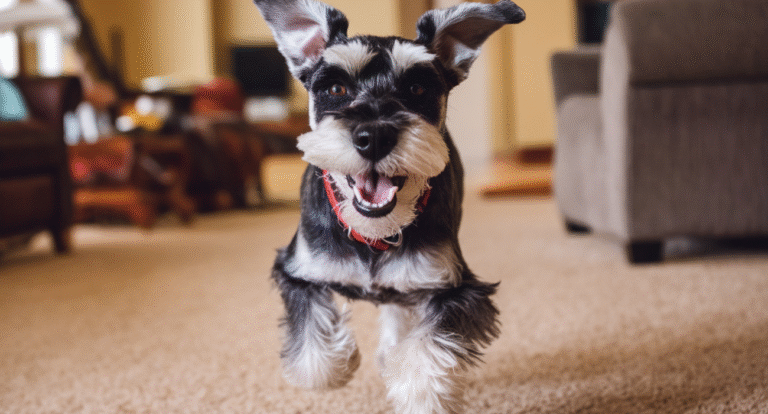
Miniature Schnauzers often have even more energy packed into smaller bodies, making them particularly prone to destructive behavior when under-stimulated. Their compact size means they can reach surprising places, so don’t assume something is “too high up” to be safe. These little acrobats are remarkably resourceful.
Standard Schnauzers have more jaw power and can inflict serious damage quickly. They need extra-durable toys rated for large, powerful chewers. What works for a Miniature might last five minutes with a Standard. Plan your toy budget accordingly (trust me on this).
Understanding your specific Schnauzer’s size, energy level, and personality helps you create a customized prevention plan that actually works instead of following generic advice that may not fit your situation.
Common Mistakes Owners Make
Punishing after the fact tops the list of ineffective strategies. If you discover destruction hours later and scold your Schnauzer, they have absolutely no idea what you’re upset about. They’ll look guilty because they recognize your angry tone, not because they understand they shouldn’t have eaten your slippers six hours ago.
Inconsistency is another training killer. If sometimes your Schnauzer can chew on old towels and sometimes they can’t, they’ll never understand the rules. Every family member needs to enforce the same boundaries consistently, or your dog will just be confused.
Not enough acceptable outlets leaves your Schnauzer with pent-up chewing needs and nowhere appropriate to direct them. If you don’t provide sufficient legal chewing options, they’ll create their own, and you won’t like their choices.
Finally, expecting perfection too quickly sets everyone up for frustration. Behavior modification takes time, patience, and consistent effort. Your Schnauzer won’t transform into a perfect angel overnight. Celebrate small improvements and stay committed to the process.
When to Call in Professional Help
Sometimes DIY solutions aren’t enough, and that’s completely okay. If your Schnauzer’s chewing is causing serious destruction, if they’re injuring themselves in the process, or if anxiety seems to be the root cause and home management isn’t helping, it’s time to consult professionals.
A certified dog trainer or veterinary behaviorist can assess your specific situation and create a customized behavior modification plan. They might identify triggers you’ve missed or suggest techniques you haven’t tried. There’s no shame in getting help; it’s actually the responsible choice when standard approaches aren’t working.
Your Schnauzer’s chewing habit didn’t develop overnight, and it won’t disappear overnight either. With understanding, patience, and the right strategies, you can transform your destructive chewer into a well-behaved companion who reserves their chomping for appropriate targets. Your furniture (and your wallet) will thank you.