Agility isn’t just for pros. Here’s why your Schnauzer should give it a try and how simple it can be.
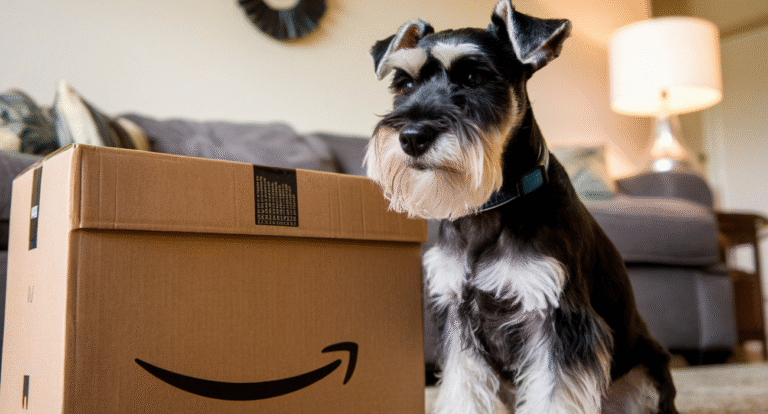
Your Schnauzer is staring at you right now with those intense, knowing eyes. They’re bored. You know it, they know it, and that chewed up couch cushion definitely knows it. These wickedly smart dogs need more than just walks around the block to stay happy and out of trouble. They need a challenge.
Enter agility training: the perfect outlet for all that Schnauzer brilliance and energy. Before you panic, thinking you’ll need expensive equipment and years of training, relax! Getting started is actually surprisingly simple, and the benefits? They’re absolutely incredible for both you and your bearded buddy.
1. Schnauzers Are Secretly Athletic Powerhouses
Don’t let that distinguished beard fool you. Schnauzers were originally bred as working dogs in Germany, tasked with everything from ratting to guarding property. This heritage means they’re naturally athletic, quick on their feet, and remarkably coordinated. Standard Schnauzers can weigh between 30 to 50 pounds, while Miniatures clock in at 11 to 20 pounds, but both sizes possess impressive strength to weight ratios.
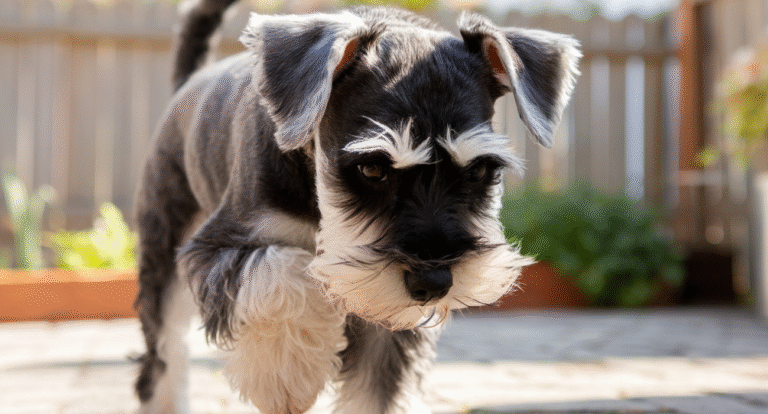
Their compact, muscular build makes them particularly well suited for agility courses. Unlike larger breeds that might struggle with tight turns or quick directional changes, Schnauzers can pivot on a dime. They’re low to the ground enough to maintain excellent balance but tall enough to clear jumps without strain. Watching a Schnauzer navigate a weave pole course is like watching a furry, bearded slalom skier.
Schnauzers possess the perfect combination of size, strength, and agility to excel at obstacle courses while avoiding many of the joint stress issues that plague larger breeds.
2. Mental Stimulation Means Less Destructive Behavior
Here’s the thing about Schnauzers: they’re smart. Like, almost too smart for their own good. A bored Schnauzer is a destructive Schnauzer, and these dogs will absolutely find ways to entertain themselves if you don’t provide appropriate outlets. That might mean rearranging your garden, “redecorating” your favorite shoes, or barking at absolutely everything that moves outside the window.
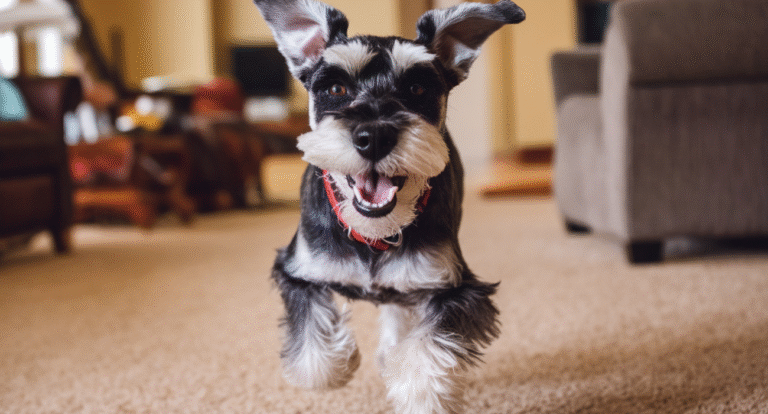
Agility training provides the mental workout these intelligent dogs crave. Learning to navigate different obstacles, responding to your commands mid course, and figuring out the best approach to each challenge keeps their brains engaged. After a good agility session, you’ll have a tired Schnauzer, which is basically a unicorn in dog form.
The cognitive demands of agility training can’t be understated. Your dog needs to process verbal cues, watch your body language, remember sequences, and make split second decisions. It’s like Sudoku, chess, and CrossFit combined, but for dogs. Within just a few weeks of regular training, many Schnauzer owners report significant decreases in problem behaviors at home.
3. The Equipment Needed Is Actually Affordable (And Sometimes DIY)
One of the biggest misconceptions about agility training is that you need thousands of dollars in professional equipment. Sure, if you want to compete at championship levels eventually, you might invest in higher quality gear. But for getting started? You can create a basic agility course with minimal investment or even household items.
| Equipment | Professional Cost | DIY Alternative | Difficulty Level |
|---|---|---|---|
| Jumps | $50 to $150 each | PVC pipes and pool noodles ($10 to $20) | Easy |
| Tunnels | $50 to $200 | Kids’ play tunnels ($20 to $40) | Very Easy |
| Weave Poles | $100 to $300 | PVC pipes or garden stakes ($15 to $30) | Moderate |
| Pause Table | $75 to $200 | Sturdy box or platform ($0 to $20) | Easy |
| A-Frame | $200 to $500 | Wooden planks (requires carpentry skills) | Difficult |
Many dog owners start with just one or two pieces of equipment and gradually build their collection. Community centers, dog training facilities, and local agility clubs often have courses you can use for a small fee. Some parks even have permanent agility equipment installed for public use. The barrier to entry is way lower than you think.
4. It Strengthens Your Bond Like Nothing Else
Agility training isn’t a solo sport. Unlike throwing a ball in the backyard, agility requires constant communication between you and your Schnauzer. You become a team, working together to navigate obstacles and complete courses. This shared experience builds trust, improves your ability to read each other’s signals, and creates a deeper connection.
Your Schnauzer learns to look to you for guidance, and you learn to understand your dog’s capabilities, limitations, and unique personality quirks. Some Schnauzers are bold and leap at new challenges, while others are more cautious and analytical. Figuring out how to motivate and encourage your specific dog is part of the journey.
The positive reinforcement methods used in agility training (treats, praise, play) create positive associations with you as their handler. You’re not just the person who feeds them anymore; you’re their partner in adventure. Many handlers describe agility training as the thing that transformed their relationship with their dog from “good” to “absolutely incredible.”
The trust built through agility training extends far beyond the course, creating a dog who’s more responsive, confident, and connected to their owner in everyday life.
5. Socialization Opportunities Are Built Right In
If you train at a facility or join an agility club, your Schnauzer gets exposed to other dogs, different people, and new environments regularly. This is huge for a breed that can sometimes be wary of strangers or reactive to other dogs without proper socialization. Schnauzers have strong guarding instincts, which means early and ongoing socialization is crucial.
In an agility setting, dogs learn to work around each other without interacting directly. They see other dogs successfully completing tasks, which can actually motivate them (yes, dogs can experience a form of positive peer pressure!). The structured environment helps them learn impulse control and focus even with distractions present.
Plus, you’ll meet other dog obsessed humans who totally understand why you spent twenty minutes this morning trying to capture the perfect photo of your Schnauzer’s beard. The agility community is generally welcoming, supportive, and always ready to share tips or celebrate your successes. Making friends who won’t judge you for having dog hair on literally everything? Priceless.
6. It’s Incredible Physical Exercise Without Being Boring
Let’s be honest: walking the same route every day gets old. For you and your Schnauzer. While regular walks are important, they don’t provide the cardiovascular workout or full body conditioning that agility offers. Running, jumping, climbing, and navigating obstacles works different muscle groups and provides interval training naturally.
A 20 to 30 minute agility session can tire out a Schnauzer more effectively than an hour long walk. The constant acceleration, deceleration, and directional changes provide excellent cardio while building strength and flexibility. This is particularly beneficial for maintaining healthy weight and joint function as your dog ages.
Regular agility training helps prevent obesity, improves cardiovascular health, and builds muscle tone while keeping dogs mentally engaged in ways that simple repetitive exercise cannot match.
Schnauzers are prone to certain health issues, including hip dysplasia and patellar luxation. The controlled, varied movement in agility can actually help strengthen the supporting muscles around joints when done correctly. Always consult with your vet before starting any new exercise program, especially if your dog has existing health concerns.
7. Getting Started Is Ridiculously Simple
Here’s the best part: you can literally start today. You don’t need special equipment, professional training, or months of preparation. Begin with basic commands your Schnauzer might already know (sit, stay, come) and build from there. Set up a single jump using a broomstick and two objects of equal height. Lure your dog over it with a treat. Congratulations, you’ve started agility training!
Many communities offer beginner agility classes specifically designed for people who’ve never tried it before. These classes typically run 4 to 8 weeks and cover basic obstacles and handling techniques. Instructors understand that you’re learning too, not just your dog. They expect stumbles, confusion, and lots of questions.
You can also find countless free resources online: YouTube tutorials, blog posts from experienced handlers, and even agility specific training apps. Start small, keep sessions short (10 to 15 minutes for beginners), and focus on making it fun rather than perfect. Your Schnauzer doesn’t care if you knock over a jump or mix up your commands. They’re just thrilled to be doing something exciting with their favorite person.
The progression in agility is entirely self paced. Some people train casually forever, just enjoying backyard courses with their dogs. Others get bitten by the competition bug and start entering trials. There’s no pressure, no timeline, and no “right way” to enjoy this activity. Whether your goal is Olympic level performance or just burning off some of that legendary Schnauzer energy, agility fits the bill perfectly.