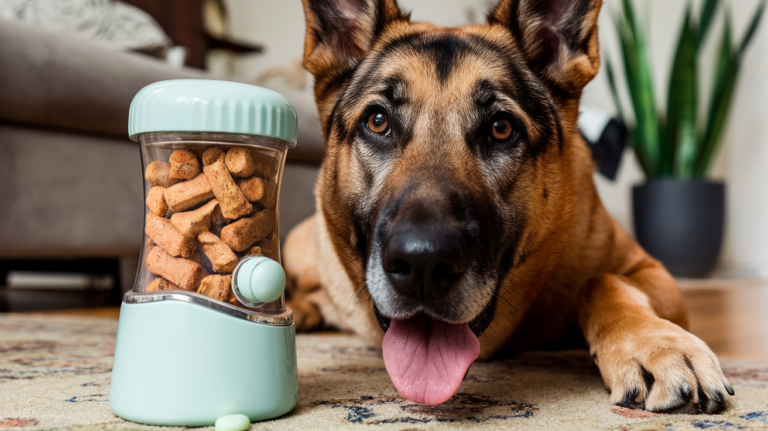
Instant obedience sounds impossible, but this technique works fast. Learn how to gain your German Shepherd’s focus and cooperation immediately.
You didn’t get a German Shepherd because you wanted a couch potato who sleeps 20 hours a day. You wanted a protector, a companion, maybe even a show stopper at the dog park. But right now, “obedient” isn’t exactly the first word that comes to mind when describing your furry tornado.
German Shepherds are exceptional dogs, which is precisely why they need exceptional training. Their working dog heritage means they’re hardwired to have a job, follow commands, and bond intensely with their pack leader. The question isn’t whether your GSD can obey. It’s whether you’re ready to step up and show them how.
Your German Shepherd’s Mind
Before we dive into techniques, you need to understand what’s happening inside that gorgeous furry head. German Shepherds were bred as working dogs, specifically for herding sheep and later for police and military work. This heritage means they have an intense drive to work, please, and protect.
Your GSD isn’t being stubborn to annoy you. They’re a highly intelligent animal with strong instincts who needs clear leadership. Without it, they’ll make their own decisions, and spoiler alert: their decisions usually involve things you don’t want them doing.
The Pack Mentality Truth
German Shepherds are pack animals through and through. In their world, every group has a leader, and if you’re not clearly filling that role, they’ll assume the position themselves. This isn’t about domination or alpha theory nonsense; it’s about providing consistent, calm, confident guidance.
Think of yourself as a benevolent CEO, not a dictator. Your German Shepherd needs to trust your decisions, respect your authority, and feel secure knowing you’ve got everything under control.
When your GSD trusts your leadership, obedience becomes natural. They want to follow you because following you feels right and safe.
The Foundation: Timing Is Everything
Here’s where most people mess up. They think obedience training is about repeating commands until the dog “gets it.” Wrong. It’s about timing your corrections and rewards so precisely that your dog makes an instant connection between their action and your response.
German Shepherds can process information incredibly quickly. When you give a command, you have roughly a two to three second window to either reward compliance or correct non-compliance. Miss that window, and your dog has no idea what you’re responding to.
| Training Element | Ideal Timing | Why It Matters |
|---|---|---|
| Reward for obedience | Within 2 seconds | Creates immediate positive association |
| Correction for disobedience | Within 2 seconds | Dog connects correction to specific behavior |
| Command repetition | Wait 5+ seconds between | Prevents command deafness |
| Training session length | 10-15 minutes | Maintains focus and prevents burnout |
The Magic of Marker Training
This is the game changer. Choose a marker word like “yes” or use a clicker. The instant your German Shepherd does what you want, mark it. Then reward. This creates a crystal clear communication channel.
For example, you ask your GSD to sit. The moment their butt hits the ground, you mark it with “yes!” Then immediately give a treat or praise. Your dog now knows exactly which behavior earned the reward. This precision turns training from confusing to transparent.
The Three Pillars of Instant Obedience
Pillar One: The Power of Eye Contact
Eye contact is your superpower with German Shepherds. These dogs are naturally attuned to reading human body language and facial expressions. Teaching your GSD to check in with you regularly creates an automatic obedience loop.
Start by rewarding your dog every single time they look at you voluntarily. Just hanging out on the couch and your GSD glances your way? Mark it and reward. Walking through the house and they check where you are? Mark and reward.
Within days, you’ll notice your dog starts looking at you more frequently. They’re basically asking, “What do you want me to do?” That’s when obedience becomes effortless because your dog is already paying attention and waiting for direction.
Pillar Two: The Non-Negotiable Commands
Your German Shepherd needs to understand that certain commands are non-negotiable. Not suggestions. Not requests. Absolute must-dos. These are your foundation commands: sit, down, stay, come, and leave it.
Here’s the crucial part: you must enforce these commands every single time you give them. If you say “sit” and your dog doesn’t sit, you cannot move on until they do. The moment you let a command slide, you’ve taught your dog that commands are optional.
Consistency isn’t just important in dog training. It’s everything. Your German Shepherd is constantly testing whether the rules still apply, and every inconsistency tells them that maybe, just maybe, they don’t have to listen this time.
Use gentle physical guidance if needed. Say “sit,” and if they don’t respond within three seconds, gently guide their rear end down while repeating the command once. The moment they’re in position, mark and reward like they just won the lottery.
Pillar Three: The Relationship Currency
Your relationship with your German Shepherd is built on currency, and you control the bank. Everything your dog wants (food, toys, walks, playtime, affection) should come after obedience, not before.
Want to go outside? Sit first. Want dinner? Down and wait. Want that squeaky toy? Eye contact and sit. This isn’t about being mean; it’s about creating a clear transaction: obedience equals good things.
German Shepherds are smart enough to understand this exchange immediately. They quickly learn that the fastest path to everything they want runs directly through cooperation with you.
The Energy Management Secret
Here’s something most training advice misses: a tired German Shepherd is an obedient German Shepherd. These dogs were bred to work all day long. If your GSD has pent up energy, their brain literally cannot focus on training.
Before you do any serious obedience work, exercise your dog. I’m not talking about a leisurely stroll around the block. I mean real exercise. Fetch for 20 minutes, a long run, agility work, or intense tug of war. Get that energy out.
You’ll be shocked at how much more responsive and focused your German Shepherd becomes after proper exercise. It’s like trying to teach a kindergartner calculus right before recess versus right after. Energy state matters enormously.
Advanced Techniques for Stubborn Moments
Even with perfect technique, you’ll hit moments where your German Shepherd decides to test boundaries. Here’s how to handle it without losing your cool.
The Silent Treatment
German Shepherds crave interaction with their people. When your dog refuses a command, don’t yell or repeat yourself endlessly. Instead, become boring. Turn away, cross your arms, and completely ignore them for 30 seconds.
Then, calmly try again. The contrast between being ignored and receiving attention creates powerful motivation. Your GSD learns that cooperation equals engagement, while stubbornness equals loneliness.
The Choice Framework
Give your German Shepherd a clear choice with obvious consequences. “You can sit now and get this treat, or you can refuse and we both stand here until you decide to cooperate. Your choice.”
Then actually follow through. Stand there in silence. Wait. Don’t nag. Don’t plead. Just wait. Eventually, curiosity, boredom, or desire for the reward will win, and your dog will comply. That’s when you make it rain with praise and rewards.
The most powerful word in dog training isn’t “sit” or “stay.” It’s “wait.” When you can wait longer than your German Shepherd can resist, you’ve won the obedience game.
Real World Application
Training in your living room is one thing. Real obedience happens when your German Shepherd listens despite distractions. Start small: practice commands with the TV on. Then with someone walking by. Then outside with mild distractions.
Gradually increase the difficulty level. The dog park is your final exam, not your starting point. Build up your GSD’s ability to focus on you regardless of what’s happening around them.
Use long leashes initially to maintain control while practicing in distracting environments. If your dog breaks a stay to chase a squirrel, that long leash lets you enforce the command without starting a chase scene.
The Training Schedule That Actually Works
Consistency beats intensity every time. Five minutes of training three times a day will produce better results than one exhausting 45 minute session once a week.
German Shepherds learn through repetition, but they also need mental breaks to process information. Short, frequent sessions keep training fun and prevent burnout for both of you.
Mix up what you’re working on to keep things interesting. Ten minutes of basic obedience, then five minutes of trick training, then ten minutes of impulse control work. Variety keeps your GSD engaged and excited about training time.
Common Mistakes That Kill Progress
Repeating commands endlessly. Say it once. Wait. Enforce if necessary. Every time you repeat a command your dog ignores, you’re training them that the first five times don’t matter.
Using treats forever. Treats are training wheels. Once your GSD understands a command, start phasing them out. Use variable reinforcement: sometimes a treat, sometimes just praise, sometimes a game. This actually strengthens obedience.
Training when frustrated. Your German Shepherd reads your emotional state like a book. If you’re angry or impatient, stop. Take a break. Come back when you can be calm and positive. Bad training sessions create more problems than they solve.
Skipping the basics. Everyone wants their German Shepherd to do impressive tricks, but if your dog won’t reliably sit and stay, advanced work is pointless. Master the fundamentals until they’re completely automatic.
The truth is, making your German Shepherd obey isn’t about finding some secret trick or magic technique. It’s about understanding how these incredible dogs think, communicating clearly, and being consistent enough that your GSD learns you mean what you say. Do that, and you won’t just have an obedient dog. You’ll have an enthusiastic partner who’s eager to work with you because cooperation has become their favorite game.