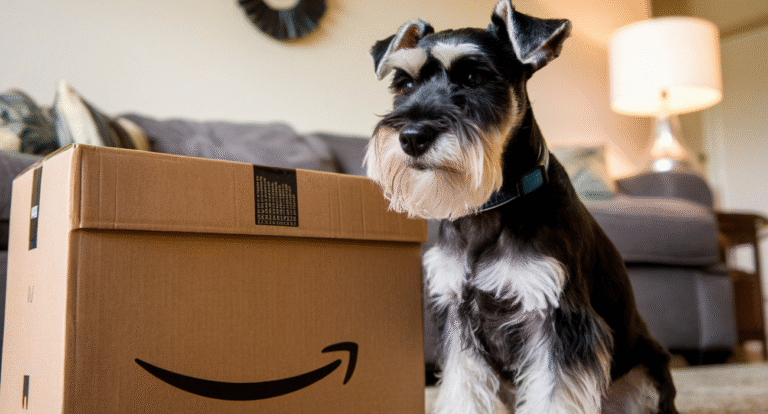
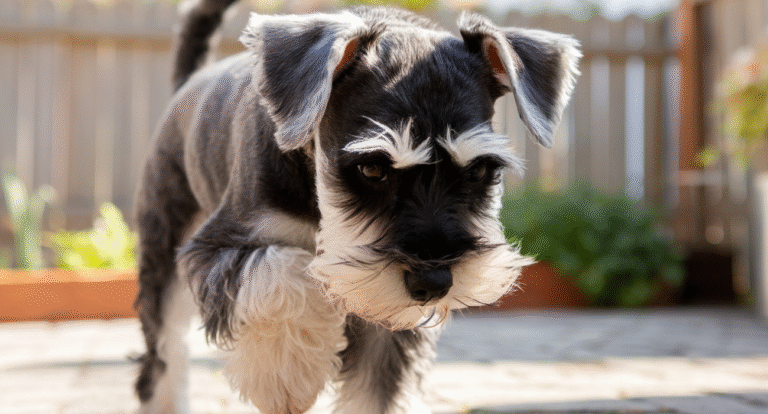
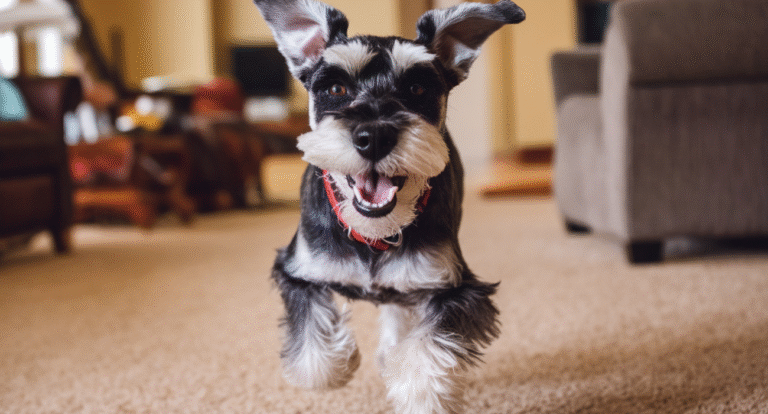
Bath frequency matters more than you think. Learn the right schedule to keep your Schnauzer’s coat healthy.
Your schnauzer’s beard is looking a bit crustier than usual, and you’re wondering if it’s bath time again. Or wait, didn’t you just bathe them last week? The eternal question haunts every schnauzer parent: how often should these bearded beauties actually hit the tub?
Here’s the thing: schnauzer bathing isn’t a one-size-fits-all situation. These wiry-coated companions have specific grooming needs that differ wildly from, say, your neighbor’s golden retriever or your sister’s poodle. Getting the timing right means the difference between a healthy, happy pup and one dealing with itchy skin or a greasy coat.
The Schnauzer Coat is Special
Before we dive into bath schedules, you need to understand what you’re working with. Schnauzers sport a double coat that’s practically engineered to confuse first-time owners. The outer layer is wiry and harsh to the touch (it’s supposed to be that way!), while underneath lurks a softer, denser undercoat that provides insulation.
This combination isn’t just for looks. Originally bred in Germany as farm dogs and ratters, schnauzers needed a coat that could withstand harsh weather and protect them during their working duties. That wiry topcoat actually repels dirt and water naturally, which is fantastic news for bath time frequency.
The undercoat, however, tells a different story. It can trap oils, dander, and debris if not properly maintained. This is where the bathing balance becomes crucial. Strip away too many natural oils with frequent washing, and you’ll end up with irritated skin and a dull coat. Neglect bathing entirely, and that undercoat becomes a breeding ground for all sorts of unpleasantness.
The Golden Rule: Every 4 to 6 Weeks
Here’s your baseline: most schnauzers thrive with a bath every four to six weeks. This timeframe allows their skin to maintain its natural oil balance while keeping them fresh and clean. Think of it as the Goldilocks zone of schnauzer hygiene.
But (and this is a big but), that’s just the starting point. Your individual schnauzer might need adjustments based on several factors:
Lifestyle Matters Enormously
Does your schnauzer spend weekends hiking muddy trails? They’ll need more frequent baths than the apartment dweller who mainly lounges on the couch. Indoor versus outdoor living situations create vastly different bathing needs.
Skin Conditions Change Everything
Some schnauzers deal with allergies, seborrhea, or other dermatological issues that require medicated baths on specific schedules prescribed by your vet. Never assume the standard schedule applies if your pup has skin problems.
Age Plays a Role Too
Puppies generally get dirtier faster (they’re learning about the world by putting their faces in everything), but their delicate skin can’t handle frequent bathing. Senior schnauzers might need gentler, less frequent baths as their skin becomes more sensitive.
Remember: Your schnauzer’s natural oils aren’t the enemy. They’re actually protecting the skin and keeping the coat healthy. Washing them away too frequently creates more problems than it solves.
The Schnauzer Bathing Schedule Matrix
| Activity Level | Indoor/Outdoor | Recommended Bath Frequency | Special Considerations |
|---|---|---|---|
| Low (Mostly indoors) | Primarily indoor | Every 6 to 8 weeks | Spot clean beard between baths |
| Moderate (Daily walks) | Mixed | Every 4 to 6 weeks | Standard grooming routine |
| High (Adventures, sports) | Mostly outdoor | Every 3 to 4 weeks | May need paw washes between full baths |
| Working/Show dog | Variable | As needed, minimum every 4 weeks | Professional grooming recommended |
Between Bath Maintenance: Your Secret Weapon
Here’s where schnauzer owners separate themselves from the pack: mastering the art of between-bath care. You don’t need a full tub session every time your pup gets a little grungy.
Beard and Leg Cleaning Should Be Practically Daily
Those areas are dirt collectors extraordinaire. A damp washcloth, some dog-safe wipes, or a quick rinse with plain water keeps things manageable without stripping oils from the entire coat. Your schnauzer’s beard especially needs attention after every meal (unless you enjoy crusty food deposits decorating their face).
Brushing becomes your best friend. Two to three times weekly, work through that coat with a proper slicker brush and metal comb. This removes loose hair, distributes natural oils, and keeps the undercoat from matting. Plus, it cuts down on that “doggy smell” that prompts unnecessary baths.
Paw Care Deserves its Own Mention
After muddy walks or outdoor adventures, rinse those paws in the sink or with a paw washer. This prevents dirt from spreading throughout your home and keeps your schnauzer cleaner between full baths. It takes 30 seconds and saves you from scheduling premature tub time.
Strategic spot cleaning can extend the time between full baths by weeks. Focus on the high-traffic areas (beard, paws, rear end) and save the complete soak for when it’s truly necessary.
Signs Your Schnauzer Actually Needs a Bath
Forget the calendar for a moment. Your schnauzer will tell you when bath time arrives. Learning to read these signals prevents both over-bathing and under-bathing.
The Sniff Test
The sniff test never lies. Get close to your dog’s coat (not just the beard, which always smells like lunch). If there’s a noticeable doggy odor that doesn’t go away with brushing, bath time has arrived. Healthy schnauzer coat shouldn’t smell strongly when properly maintained.
Visual Inspection
Visual inspection matters too. Is the coat looking greasy or feeling oily to the touch? Are there visible dirt patches that brushing won’t remove? Does the coat look dull instead of having that characteristic schnauzer texture? These are all bath time indicators.
Behavioral Clues
Watch for behavioral clues as well. Excessive scratching (when fleas and allergies have been ruled out) might mean the skin needs cleansing. Some schnauzers also become noticeably uncomfortable when they’re overdue for a bath, acting restless or rubbing against furniture more than usual.
Surprise Incidents
Don’t forget about those surprise incidents that override any schedule. Roll in something dead? Immediate bath. Encounter a skunk? Emergency bath (with special de-skunking protocol). Sometimes life simply demands an unscheduled cleaning, and that’s perfectly fine.
The Wrong Way to Bathe Your Schnauzer
Knowing when to bathe matters, but so does the how. Many well-meaning owners sabotage their schnauzer’s skin health with common mistakes.
Using Human Shampoo
Using human shampoo tops the list of bathing crimes. Your pH-balanced, moisturizing shampoo? It’s completely wrong for canine skin. Dogs have different pH levels than humans, and using the wrong products strips away protective oils and causes irritation. Invest in quality dog shampoo formulated for wire coats.
Wrong Water Temperature
Water temperature errors happen constantly. Too hot, and you’re drying out the skin. Too cold, and your schnauzer will hate every second (and probably never trust you again). Lukewarm water is the sweet spot. Think comfortable swimming pool temperature, not hot tub or ice bath.
Over-Shampooing
Over-shampooing during a single bath causes unnecessary dryness. One thorough lathering is enough for most baths. Unless your schnauzer rolled in something truly horrific, a second shampoo just strips more oils than necessary.
Incomplete Rinsing
The biggest mistake? Incomplete rinsing. Leftover shampoo residue causes itching, flaking, and skin irritation. Spend twice as long rinsing as you did shampooing. When you think you’re done rinsing, rinse for another minute. Seriously.
Your technique matters just as much as your timing. A perfect bath every six weeks beats a mediocre bath every four weeks for overall coat and skin health.
Special Circumstances and Adjustments
Sometimes the standard rules don’t apply, and you need to adjust your approach based on unique situations.
Medicated Baths
Medicated baths prescribed for skin conditions follow their own schedule. If your vet recommends weekly bathing with special shampoo, that supersedes general guidelines. These therapeutic baths serve a medical purpose and won’t harm the coat when using proper products.
Pregnant or Nursing Schnauzers
Pregnant or nursing schnauzers need gentler handling and potentially less frequent baths during this sensitive period. Consult your vet, but generally, keeping stress low matters more than maintaining a rigid bathing schedule.
Show Dogs
Show dogs operate on completely different schedules. Competing schnauzers often get bathed weekly or even more frequently, but they’re also receiving professional grooming care that includes conditioning treatments and coat maintenance that the average pet owner isn’t providing. Don’t try to replicate show grooming at home without proper training.
Seasonal Changes
Climate and seasonal changes should influence your schedule too. Summer swimming, winter mud, spring allergies, and fall leaves all impact how dirty your schnauzer gets. Be flexible and adjust accordingly rather than rigidly sticking to a calendar.
Building Your Perfect Schedule
Take all this information and create a customized plan for YOUR schnauzer. Start with the four to six week baseline, then adjust based on what you’ve learned about your dog’s specific needs.
Keep a simple grooming log (even just notes in your phone) tracking bath dates and any skin reactions or coat changes. Patterns emerge quickly, and you’ll discover what works best. Maybe your schnauzer thrives on five-week intervals. Perhaps they need closer to seven or eight weeks. The right answer is whatever keeps their skin healthy and coat looking great.
Monitor and adapt continuously. What works in summer might not work in winter. A schedule perfect for puppyhood might need adjusting as your schnauzer matures. Stay observant and remain willing to modify your approach.
Your schnauzer’s skin and coat will thank you for finding that perfect balance. Not too often, not too rarely, but just right for their individual needs. And honestly? Once you nail down the ideal schedule, both you and your schnauzer will be happier. Less stress, better coat health, and more time for the fun stuff like training, playing, and enjoying each other’s company instead of arguing about unnecessary bath time.