Every owner should know these crucial insights. These seven things make shepherd care easier, deepen your bond, and help you understand your dog on a whole new level.
So you’ve fallen head over heels for those perky ears and intelligent eyes. Welcome to the German Shepherd fan club! But before you get too comfortable, let’s talk about what life with these incredible dogs actually looks like. Spoiler alert: it involves way more fur than you imagined and a dog who thinks they’re supposed to be involved in every single decision you make.
German Shepherds are intense in the best possible way. They’re the overachievers of the dog world, always ready to work, play, or simply supervise your every move. Understanding their quirks and needs isn’t optional; it’s essential for a happy home.
1. They Shed Enough Fur to Knit a Sweater (Monthly)
Let’s get the hairy truth out of the way first: German Shepherds shed like it’s their full time job. We’re not talking about a few stray hairs here and there. These dogs produce enough fur to make you question whether you actually own a dog or a fur manufacturing facility.
The German Shepherd has a double coat consisting of a dense undercoat and a longer outer coat. This combination means they “blow” their coat at least twice a year, though many owners swear their GSDs shed constantly. During peak shedding season, you’ll find tumbleweeds of fur rolling across your floors like you’re living in the Wild West.
Your vacuum cleaner will become your most valued household appliance. Investing in a quality one isn’t optional; it’s survival.
Daily brushing isn’t just recommended; it’s mandatory if you want to maintain any semblance of a fur free home. A slicker brush and an undercoat rake should be permanent fixtures in your grooming arsenal. Some owners brush their German Shepherds outside to avoid turning their living rooms into fur tornadoes. Smart thinking.
Quick Shedding Management Guide:
| Tool | Purpose | Frequency |
|---|---|---|
| Slicker Brush | Removes loose outer coat fur | Daily |
| Undercoat Rake | Tackles dense undercoat | 3-4 times weekly |
| Deshedding Tool | Intensive seasonal shedding | During blowout periods |
| Vacuum with Pet Hair Attachment | Floor and furniture maintenance | Daily (yes, daily) |
2. Mental Stimulation Isn’t Optional; It’s Critical
A bored German Shepherd is a destructive German Shepherd. These dogs were bred to work, think, and solve problems. When you don’t give them appropriate outlets for their considerable brainpower, they’ll create their own entertainment. And trust me, you won’t like their choices.
German Shepherds rank among the most intelligent dog breeds, which sounds fantastic until you realize that intelligence without direction equals chaos. They need jobs, whether that’s learning new tricks, practicing obedience, working on puzzle toys, or training for dog sports. A tired GSD is a good GSD, but a mentally exhausted one is a great GSD.
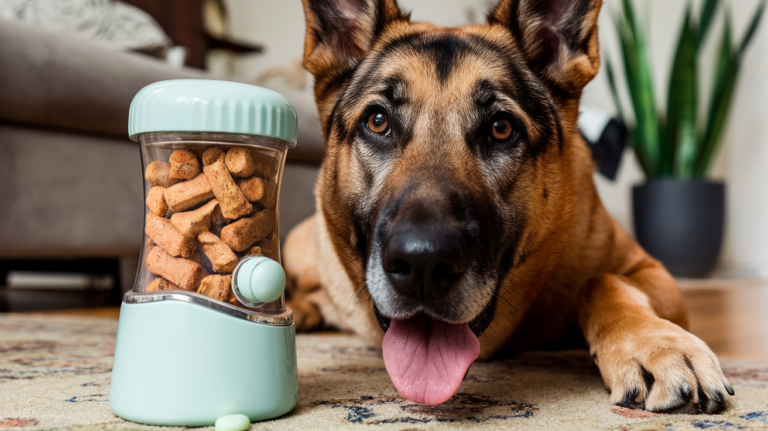
Interactive feeding toys, scent work, advanced obedience training, and agility courses all provide excellent mental workouts. Even something as simple as hiding treats around the house for a “find it” game can satisfy their need to use their brain. The key is variety and consistency.
Fifteen minutes of focused mental exercise can tire out a German Shepherd more effectively than an hour of aimless walking.
3. Socialization Isn’t a Puppy Phase; It’s a Lifestyle
German Shepherds are naturally protective and can be aloof with strangers. Without proper, ongoing socialization, this tendency can morph into fearfulness or aggression. The socialization window doesn’t close at six months; it’s a lifelong commitment that shapes your dog’s ability to navigate the world confidently.
Early socialization should expose your GSD puppy to various people, dogs, environments, sounds, and experiences in positive, controlled settings. But here’s what many owners miss: socialization doesn’t stop when adolescence hits. Adult German Shepherds benefit enormously from continued exposure to new situations.
Regular trips to dog friendly stores, walks in different neighborhoods, controlled meetings with friendly dogs, and positive interactions with various people help maintain social skills. A well socialized German Shepherd is confident, calm, and capable of distinguishing between genuine threats and everyday occurrences.
The protective instinct is hardwired into the breed. You can’t eliminate it, nor should you want to. But through consistent socialization, you can ensure your GSD’s protective nature expresses itself appropriately rather than as reactivity or fear based aggression.
4. They’re Velcro Dogs Who Need Constant Companionship
German Shepherds bond intensely with their families, earning them the nickname “Velcro dogs.” If you’re looking for an independent dog who’s content doing their own thing, keep looking. GSDs want to be wherever you are, doing whatever you’re doing. Bathroom privacy? They’ve never heard of it.
This attachment is endearing but comes with responsibility. German Shepherds left alone for extended periods can develop separation anxiety, leading to destructive behaviors, excessive barking, and genuine distress. They’re pack animals who thrive on interaction and wither in isolation.
A German Shepherd who follows you from room to room isn’t being clingy; they’re being exactly what they were bred to be… your devoted companion and protector.
If your lifestyle requires leaving a dog alone for eight plus hours daily, a German Shepherd probably isn’t the right fit. They need families who can include them in daily activities, provide midday interaction, or arrange for doggy daycare. The payoff for meeting this need is a deeply bonded, attentive, and responsive companion.
5. Exercise Requirements Are No Joke
“A tired dog is a good dog” becomes your mantra when you own a German Shepherd. These athletic, high energy dogs need substantial daily exercise. We’re talking a minimum of one to two hours of physical activity, and that’s just the baseline.
A leisurely stroll around the block won’t cut it. German Shepherds need vigorous exercise that gets their heart pumping: running, hiking, fetch, swimming, or participating in dog sports like agility or dock diving. They’re built for endurance and need activities that challenge their impressive physical capabilities.
Young German Shepherds (under two years) require careful exercise management. While they have tons of energy, their joints and growth plates are still developing. High impact activities like jumping or running on hard surfaces should be limited to prevent developmental orthopedic issues. Consult your veterinarian about age appropriate exercise levels.
Age Based Exercise Guidelines:
| Age | Exercise Type | Duration |
|---|---|---|
| 8-12 weeks | Gentle play, short walks | 15-20 minutes, 2-3 times daily |
| 3-6 months | Moderate play, longer walks | 30-40 minutes, 2-3 times daily |
| 6-18 months | Varied activities, avoid high impact | 45-60 minutes, 2 times daily |
| 18+ months | Full exercise program | 1-2+ hours daily |
6. Health Issues Are Breed Specific and Expensive
German Shepherds are prone to several hereditary health conditions that every owner should understand and prepare for financially. Hip and elbow dysplasia top the list, affecting a significant percentage of the breed. These joint conditions can require expensive surgical interventions and ongoing management.
Degenerative myelopathy, a progressive spinal cord disease, affects German Shepherds more than most breeds. There’s no cure, and while not all GSDs develop it, responsible breeders test for the genetic markers. Bloat (gastric dilatation volvulus) is another serious, life threatening condition that occurs more frequently in deep chested breeds like German Shepherds.
Other common issues include allergies, pancreatic insufficiency, and various autoimmune disorders. Pet insurance isn’t a luxury for German Shepherd owners; it’s a financial safety net. Medical expenses can easily reach thousands of dollars annually, especially as your dog ages.
Choosing a reputable breeder who conducts health testing on breeding stock dramatically reduces (but doesn’t eliminate) the risk of inherited conditions. Health clearances for hips, elbows, and genetic testing should be standard practice. Rescue dogs may have unknown health histories, making pet insurance even more critical.
7. Training Starts Immediately and Never Really Stops
German Shepherds are wonderfully trainable, but their intelligence means they can learn bad habits just as quickly as good ones. Training isn’t something you do for a few weeks and then forget; it’s an ongoing process that shapes your dog’s behavior throughout their life.
Basic obedience is just the foundation. German Shepherds excel when given advanced training opportunities. Whether it’s service work, protection training, search and rescue, or complex trick sequences, these dogs need to learn. Their brains are wired to work with humans, and training sessions strengthen your bond while providing essential mental stimulation.
Consistency is everything with German Shepherds. They test boundaries and are smart enough to know when rules apply and when you might let things slide. If jumping on guests isn’t allowed on Tuesday, it can’t be acceptable on Saturday. Everyone in the household needs to enforce the same rules using the same commands.
Positive reinforcement training works exceptionally well with German Shepherds. They’re sensitive dogs who respond beautifully to praise, treats, and play rewards. Harsh corrections or punishment based methods can damage the trust between you and create anxious, fearful behaviors that undermine your relationship.