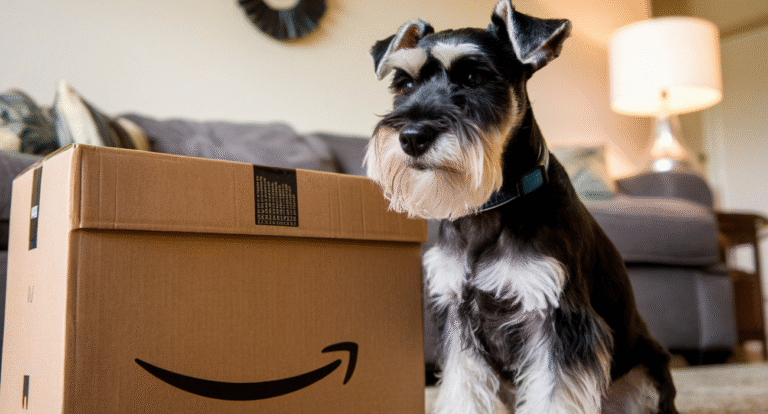
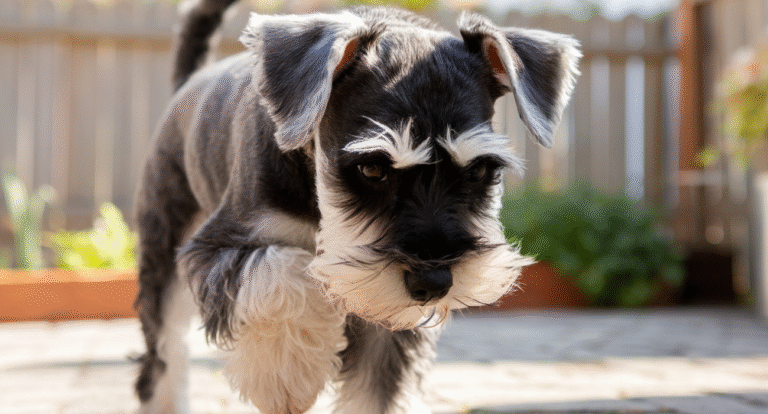
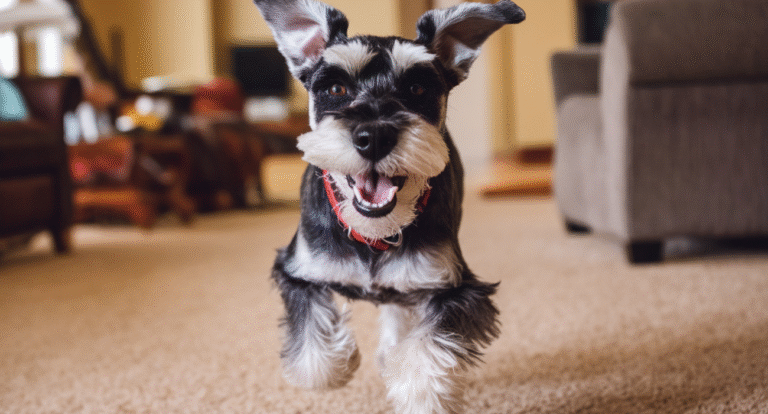
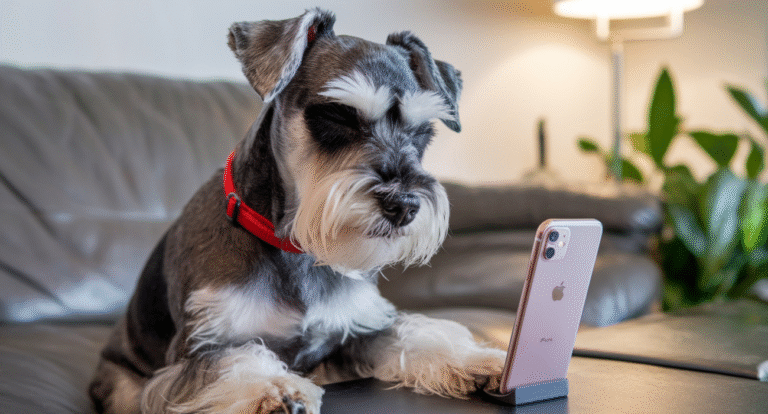
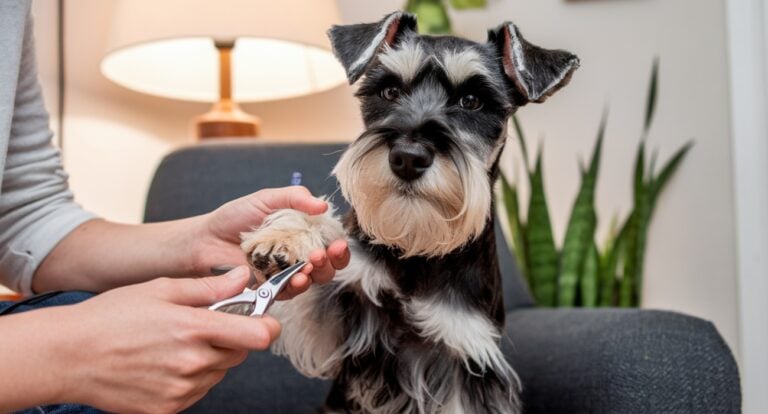
Schnauzer chewing driving you crazy? Try this clever tactic before buying another replacement shoe or toy.
You’ve already Googled “why does my schnauzer destroy everything” at 2 AM while staring at the remains of what used to be your work bag. You’ve bought the fancy toys, tried the bitter spray, and maybe even considered whether your adorable bearded companion is actually possessed.
The truth is, schnauzers are smart, energetic, and equipped with powerful jaws that need an outlet. What looks like deliberate destruction is often a desperate dog trying to tell you something. Before you resign yourself to a life of replacing shoes monthly, let’s dig into what’s really happening in that fuzzy head.
Understanding the Schnauzer Mind (And Mouth)
Schnauzers weren’t bred to be couch ornaments. These dogs descend from ratting and guarding stock, which means they’re hardwired to be busy. Their brains are constantly running calculations, looking for problems to solve and tasks to complete. When you don’t provide appropriate outlets for this mental energy, your schnauzer creates their own entertainment. Spoiler alert: their idea of fun rarely aligns with yours.
The chewing isn’t random, either. Puppies chew because their gums hurt during teething, which typically lasts until they’re about six months old. Adult schnauzers, however, chew for completely different reasons: stress relief, boredom, anxiety, or simply because it feels good. Their strong jaws need work, and if you’re not giving them appropriate things to gnaw on, they’ll audition everything in your house for the role.
Think about it from their perspective. You leave for work, taking all the interesting action with you. Your schnauzer is left in a quiet house with nothing but time and a growing need to do something. That shoe you left by the door? It smells like you, it’s got interesting textures, and it provides instant gratification when it makes that satisfying ripping sound. Can you really blame them?
The Real Reasons Behind the Destruction
Boredom: Public Enemy Number One
Schnauzers are incredibly intelligent, ranking in the top tier of canine cognition. This intelligence is a double-edged sword. Smart dogs need mental stimulation the way plants need sunlight. Without it, they wilt… or in this case, they chew.
A bored schnauzer is a destructive schnauzer. These dogs need jobs, puzzles, and challenges, or they’ll create chaos just to feel productive.
Physical exercise alone won’t cut it. Sure, a tired dog is a good dog, but a mentally tired schnauzer is a great dog. You can walk your schnauzer for an hour, but if their brain isn’t engaged, they’ll still have energy to burn through your furniture.
Separation Anxiety Isn’t Just Drama
Some schnauzers genuinely panic when left alone. This isn’t manipulation or spite; it’s real distress. Destructive chewing can be a coping mechanism for anxiety. The dog isn’t thinking “I’ll show them for leaving me,” they’re thinking “I’m terrified and chewing makes me feel slightly better.”
Signs your schnauzer’s chewing is anxiety-related include: destruction that happens only when you’re gone, chewing focused on exit points like doors and windows, and excessive drooling or panting before you leave. If this sounds familiar, you’re dealing with a deeper issue than simple boredom.
Teething and Dental Discomfort
For younger schnauzers still cutting their adult teeth, chewing is pain management. Their gums are sore, swollen, and uncomfortable. Chewing provides counter pressure that soothes the discomfort. Even adult schnauzers might chew more if they’re developing dental problems. Gum disease, loose teeth, or other oral issues can drive a dog to chew compulsively.
What Actually Works (According to Schnauzer Owners and Experts)
The Exercise Equation
Here’s a simple truth: a physically exhausted schnauzer has neither the energy nor the inclination to destroy your belongings. But we’re not talking about a leisurely stroll around the block. Schnauzers need real exercise, and different sizes have different requirements.
| Schnauzer Size | Daily Exercise Minimum | Ideal Activities |
|---|---|---|
| Miniature | 45-60 minutes | Brisk walks, fetch, agility courses |
| Standard | 60-90 minutes | Running, hiking, advanced training |
| Giant | 60-120 minutes | Long walks, weight pulling, extensive play sessions |
Notice those aren’t casual numbers. If your schnauzer is destroying things, ask yourself honestly: are you meeting these exercise requirements? Not on weekends or when you feel like it, but consistently?
Mental Stimulation: The Game Changer
Physical exercise tires the body; mental exercise tires the brain. For schnauzers, brain work is often more exhausting than physical work. Puzzle toys, hide and seek games, training sessions, and nose work activities engage their minds in ways that a simple walk never will.
Try this experiment: give your schnauzer a 30-minute walk, then watch their behavior. Now, on a different day, spend 15 minutes doing training exercises or puzzle games, then watch. You’ll likely notice they’re calmer after the mental work despite less time invested. That’s the power of cognitive engagement.
Interactive feeding is a particularly effective strategy. Instead of dumping kibble in a bowl, make your schnauzer work for every meal. Puzzle feeders, snuffle mats, or hiding food around the house turns eating into a 20-minute mental workout. Your schnauzer gets fed and intellectually satisfied.
The Right Chewing Alternatives
Not all chew toys are created equal, and schnauzers are notoriously picky about texture. What works for a Labrador might bore your schnauzer to tears. The key is variety and appropriate difficulty levels.
Hard rubber toys like Kongs stuffed with frozen treats provide long-lasting entertainment. Dental chews serve double duty by cleaning teeth while satisfying the urge to gnaw. Rope toys work well for schnauzers who like tug-of-war style chewing. Avoid anything that can be shredded into small pieces; schnauzers are determined chewers who will absolutely destroy inadequate toys.
Rotate toys weekly. A toy that disappeared for five days becomes novel and interesting again, preventing boredom without constantly buying new items.
Creating a Chew-Friendly Environment
Management is half the battle. If you know your schnauzer targets specific items, make those items unavailable. This isn’t about giving in; it’s about setting everyone up for success while you work on training.
Close closet doors. Put shoes in bins with lids. Use baby gates to restrict access to rooms with tempting items. Spray bitter apple deterrent on furniture legs (test it first; some schnauzers actually like the taste, which is both impressive and frustrating). The goal is to make inappropriate items inaccessible while making appropriate items irresistible.
Training Techniques That Stop the Chewing
The “Leave It” Command Is Everything
Teaching a solid “leave it” command gives you remote control over your schnauzer’s mouth. This isn’t complicated, but it requires consistency. Start with low-value items and work up to the really tempting stuff.
Hold a treat in your closed fist. Your schnauzer will try everything to get it: licking, pawing, nibbling. Ignore all attempts. The second they back off, even slightly, say “yes!” and give them a different treat from your other hand. Repeat until they automatically back away when you present your closed fist. Then add the words “leave it” right before presenting your fist.
Practice this everywhere, with everything. “Leave it” for the cat, for food on the ground during walks, for that interesting smell on the sidewalk. The more you practice in various contexts, the more reliable the command becomes.
Catch Them Being Good
Schnauzers are attention seekers. If the only time they get your focus is when they’re destroying something, you’ve accidentally reinforced the behavior. Instead, watch for moments when they’re chewing an appropriate toy and praise them enthusiastically.
Keep treats handy for the first few weeks. Every time you see your schnauzer pick up their chew toy instead of your remote, throw a party. Verbal praise, pets, maybe a treat. Make good choices way more rewarding than bad ones.
Redirect, Don’t Punish
Yelling at your schnauzer after they’ve already shredded something is pointless. They don’t connect your anger with an action that happened even minutes ago. Dogs live in the present; delayed punishment just makes them afraid of you, not less likely to chew.
Instead, interrupt inappropriate chewing the moment you see it. A simple “ah ah” or “no” gets their attention. Immediately offer an appropriate chew toy. When they take it, praise them. You’re teaching them what to chew, not just what not to chew. That’s a crucial distinction.
Special Considerations for Specific Situations
Puppy Teething Survival Mode
If you’ve got a schnauzer puppy, accept that some destruction is inevitable. Puppies must chew; it’s not optional for them. Your job is to direct that need toward appropriate outlets.
Freeze wet washcloths and let your puppy chew on them. The cold soothes sore gums. Offer multiple texture options: rubber, rope, soft plush. Puppies don’t know yet what they prefer, so variety helps them (and you) figure it out. Supervise constantly during this phase. Prevention is easier than correction.
The Separation Anxiety Scenario
If anxiety is driving the chewing, standard training won’t solve it. You’ll need to address the underlying anxiety through desensitization and counter-conditioning. This means gradually teaching your schnauzer that being alone is safe and even enjoyable.
Start with absurdly short absences. Leave the room for 30 seconds. Come back before your dog panics. Gradually increase duration. Pair your departures with something amazing, like a Kong stuffed with peanut butter that only appears when you leave. Your schnauzer starts associating your absence with good things rather than fear.
For severe cases, consult a veterinary behaviorist. Sometimes medication can help a dog calm down enough to learn new patterns. There’s no shame in getting professional help; separation anxiety is a legitimate disorder, not a training failure.
Adult Dogs With New Chewing Habits
If your previously well-behaved adult schnauzer suddenly starts destroying things, investigate medical causes first. Dental problems, nutritional deficiencies, or even cognitive decline in senior dogs can trigger new chewing behaviors.
Schedule a vet visit before assuming it’s behavioral. Sudden behavior changes often have physical causes. A dog with a painful tooth might chew to try to dislodge it. A dog with cognitive dysfunction might forget they’re not supposed to chew certain items.
The Consistency Factor
Here’s the truth nobody wants to hear: fixing chewing problems requires sustained effort. You can’t implement these strategies for three days, get discouraged, and give up. Behavior change takes weeks, sometimes months, especially if you’re undoing established habits.
Every person in your household needs to enforce the same rules. If you redirect your schnauzer from chewing shoes but your partner laughs and takes photos, you’re working against yourself. Dogs need consistent messages to learn effectively.
The schnauzer who destroyed three pairs of shoes last month can become the schnauzer who only chews their toys, but only if you stay committed to the training process.
Set realistic expectations, too. Your schnauzer probably won’t transform overnight. Progress might look like: they chewed two items this week instead of five. That’s still progress. Celebrate the small victories while working toward the big goal.
When to Call in Professional Help
Sometimes you need backup, and that’s completely okay. If you’ve been consistently working on these strategies for six to eight weeks and seeing zero improvement, or if the destruction is escalating despite your efforts, consult a certified dog behaviorist or trainer who specializes in schnauzers or terriers.
Professional help isn’t admitting defeat. It’s recognizing that some situations require specialized knowledge. A good behaviorist can observe things you’re missing and create a customized plan for your specific dog and situation. Insurance for your sanity and your belongings.