If grooming time feels like a battle, these clever tricks can transform the experience. Your German Shepherd might actually start enjoying it.
German Shepherds shed enough to create an entirely new dog every few weeks. Yet somehow, many of these beautiful beasts act like grooming is the worst thing that’s ever happened to them. The dramatic sighs, the escape attempts, the look of utter betrayal in those intelligent eyes.
But here’s the thing. Your GSD doesn’t actually hate you. They might hate the process, the tools, or maybe just the fact that they’d rather be chasing squirrels. The battle doesn’t have to continue, though. What if grooming could become something your German Shepherd actually tolerates, or dare we say, enjoys?
1. Start With a Pre-Grooming Energy Burn
Your German Shepherd’s grooming resistance might have nothing to do with the brush and everything to do with pent up energy. GSDs are working dogs bred for activity, endurance, and constant motion. Asking a hyped up shepherd to sit still for grooming is like asking a toddler hopped up on sugar to meditate.
The solution? Tire them out first. Take your dog for a solid 30 to 45 minute walk, play an intense game of fetch, or set up an agility course in your backyard. The goal is to get them into that calm, satisfied state where they’re ready to chill out.
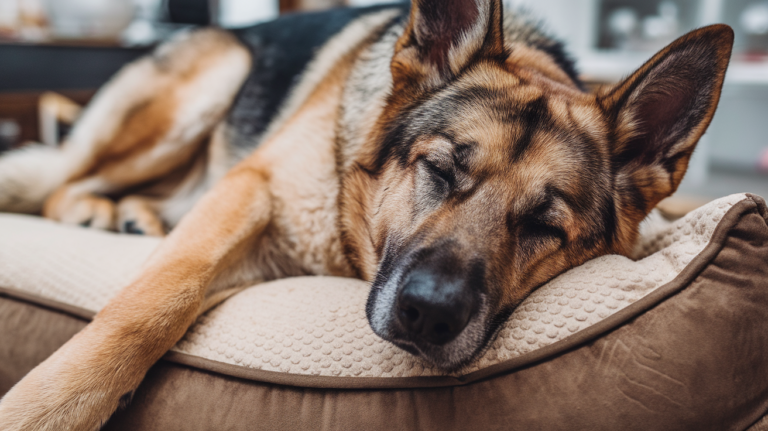
When your German Shepherd has burned through their excess energy, grooming transforms from a battle into something they’ll actually tolerate because they’re too relaxed to protest.
After exercise, give them about 15 to 20 minutes to cool down and settle. You’ll notice a dramatic difference in their cooperation level. A tired dog is a cooperative dog, and that applies to grooming just as much as training.
2. Create Positive Associations With Grooming Tools
Here’s where many dog owners go wrong: they only bring out the grooming tools when it’s time to groom. To your German Shepherd, that brush becomes a predictor of an unpleasant experience. Instead, you need to make those tools part of their everyday positive environment.
Start by leaving grooming supplies around the house in places your dog frequents. Let them sniff the brush, investigate it, and realize it’s not a threat. Every time they show interest in the tools without fear, reward them with treats or praise.
Next, create a conditioning routine. Touch your dog with the brush (without actually brushing yet), then immediately give them a high value treat. Repeat this multiple times over several days. You’re building a mental connection: brush appearance equals good things happening.
| Training Phase | Action | Reward | Duration |
|---|---|---|---|
| Phase 1 | Tools visible in room | Treat for calm behavior | 3 to 5 days |
| Phase 2 | Touch with tool | Immediate treat | 5 to 7 days |
| Phase 3 | One or two brush strokes | Multiple treats | 1 to 2 weeks |
| Phase 4 | Short grooming sessions | Treats throughout | Ongoing |
This systematic approach might seem slow, but it’s building a foundation that will last your dog’s lifetime.
3. Choose the Right Tools for Sensitive Skin
Not all grooming tools are created equal, and your German Shepherd might legitimately hate grooming because the tools you’re using are uncomfortable or even painful. GSDs have a double coat with sensitive skin underneath, and the wrong brush can cause irritation or pull on their fur.
Invest in quality tools specifically designed for double coated breeds. A good undercoat rake is essential for removing loose fur without tugging, while a slicker brush works well for the topcoat. Avoid tools with sharp or overly rigid bristles that dig into the skin.
Pay attention to your dog’s reactions. If they flinch, pull away, or show signs of discomfort when you use a particular tool, trust their feedback. Sometimes switching to a softer brush or one with rounded tips makes all the difference. Your GSD isn’t being dramatic (okay, maybe they are a little), but their discomfort is likely real.
4. Master the Power of “Little and Often”
One of the biggest mistakes German Shepherd owners make is saving up grooming for marathon sessions. By the time you pull out the brush, your dog needs serious work, the session takes forever, and everyone ends up frustrated. Your GSD learns that grooming means being stuck in one place for an eternity.
Flip the script. Instead of weekly hour long grooming battles, aim for daily five to ten minute sessions. This approach has multiple benefits. First, regular brushing prevents mats and tangles from forming, making each session easier. Second, short sessions don’t test your dog’s patience as much. Third, frequent positive experiences help normalize grooming as just another part of daily life.
Short, frequent grooming sessions teach your German Shepherd that cooperation leads to freedom quickly, while resistance only prolongs the experience.
Think of it like this: would you rather sit through a three hour movie you hate, or watch ten minute increments over several days? Your dog feels the same way about grooming.
5. Use High Value Treats Strategically
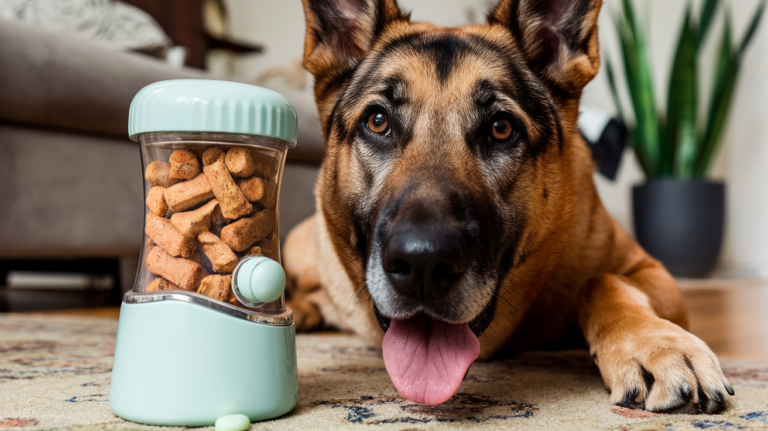
Not all treats are created equal in your German Shepherd’s mind. Those regular training treats you use for “sit” and “stay”? They’re not going to cut it for convincing your GSD that grooming is worthwhile. You need to bring out the big guns: the treat equivalent of a five star meal.
Identify what your dog finds absolutely irresistible. For many German Shepherds, this might be small pieces of chicken, cheese, hot dogs, or freeze dried liver. These are treats they rarely get, making them extra special and motivating.
Strategic timing matters. Don’t just give treats before or after grooming; deliver them during the process. Brush for a few strokes, immediately treat. Work on a sensitive area, treat. Your dog should feel like grooming time is treat jackpot time. Eventually, you can space out the treats as your GSD becomes more comfortable, but in the beginning, be generous.
Also consider using lick mats spread with peanut butter or wet food. Your dog stays occupied licking while you brush, creating a positive distraction that makes grooming time fly by. This works especially well for dogs who can’t resist food but struggle with staying still.
6. Identify and Avoid Sensitive Spots (At First)
Your German Shepherd might not hate all grooming; they might specifically hate having certain areas touched. Common sensitive spots include the paws, tail, belly, and rear end. Some dogs are also head shy, making face grooming particularly challenging.
Start your grooming sessions with the areas your dog tolerates best. For many GSDs, this is the back and sides. Build success and positive associations there before gradually introducing more sensitive areas. When you do work on touchy spots, go extra slowly and use even higher value rewards.
For extremely sensitive areas, you might need weeks of desensitization work. Touch the paw briefly, treat. Hold the paw for one second, treat. Hold and apply slight pressure, treat. Brush near the paw, treat. Brush the paw once, jackpot with multiple treats. This gradual approach respects your dog’s boundaries while steadily expanding their comfort zone.
Remember that some sensitivity might be physical rather than purely behavioral. If your German Shepherd consistently reacts negatively to touching specific areas, have your vet check for underlying issues like arthritis, skin conditions, or injuries.
7. Implement a Consistent Grooming Routine and Location
German Shepherds thrive on routine and predictability. When grooming happens randomly, in different places, at different times, your dog never knows what to expect. This uncertainty can increase anxiety and resistance. Creating a consistent grooming ritual helps your GSD mentally prepare and understand what’s coming.
Choose a designated grooming spot in your home. This might be a specific room, a grooming table, or even just a particular mat you lay down. The location should be comfortable for both of you, with good lighting and minimal distractions. Over time, your dog will associate this spot specifically with grooming, making the transition easier.
Establish a consistent time for grooming sessions. Many owners find success with after walk grooming, when their dog is already calm and relaxed. Others prefer morning sessions before the day’s excitement begins. Whatever you choose, stick with it. Consistency transforms grooming from an unexpected disruption into an expected part of the day.
| Routine Element | Purpose | Example |
|---|---|---|
| Specific location | Builds association | Bathroom mat or grooming table |
| Consistent time | Reduces surprise/anxiety | After morning walk |
| Same sequence | Creates predictability | Always start with back, end with paws |
| Post grooming ritual | Positive closure | Special toy or playtime |
You can even develop a pre grooming cue, like a specific phrase (“grooming time!”) or action (getting out a special mat). This gives your dog a heads up and a chance to mentally prepare rather than being ambushed with a brush.
8. Know When to Call in Professional Help
Sometimes, despite your best efforts, your German Shepherd’s grooming aversion is too intense for DIY solutions. There’s absolutely no shame in recognizing when you need backup. Professional groomers and veterinary behaviorists have specialized knowledge and tools that can make a huge difference.
A professional groomer experienced with German Shepherds understands the breed’s specific needs and common behavioral challenges. They can often accomplish in 30 minutes what might take you two hours of struggle. Plus, some dogs behave completely differently for strangers than they do for their owners (just like kids at daycare versus at home).
If your GSD’s grooming resistance seems rooted in genuine fear or anxiety rather than simple preference, consider consulting a veterinary behaviorist. They can assess whether anxiety medication might help during the desensitization process, and they’ll provide a structured behavior modification plan tailored to your dog’s specific issues.
Professional grooming also gives you a break. Caring for a German Shepherd is already a significant commitment. If grooming has become a source of stress in your relationship with your dog, outsourcing it (even partially or temporarily) can preserve your bond while your dog gets the care they need.
Sometimes the most loving thing you can do is recognize your limits and bring in expert help, allowing you to focus on the parts of dog ownership you both enjoy.
Additionally, many mobile groomers will come to your home, which can be less stressful for anxious dogs than a busy grooming salon. You might even discover that your GSD only hates grooming when you do it, which isn’t personal; it’s just dogs being weird and wonderful.
Transforming your German Shepherd from grooming hater to grooming tolerator (or even enthusiast!) won’t happen overnight. But with patience, consistency, and these eight game changing tricks, you’ll start seeing progress. Remember that every dog is different. What works brilliantly for one GSD might need adaptation for yours.
The key is staying positive, keeping sessions short and sweet, and always ending on a good note. Your German Shepherd wants to please you; they just need help understanding that grooming isn’t something to fear. With time and the right approach, those dramatic escape attempts will become distant memories, and you’ll both enjoy a calmer, fuzzier future together.