Are Schnauzers naturally calm? Find out what to really expect when it comes to temperament and daily energy levels.
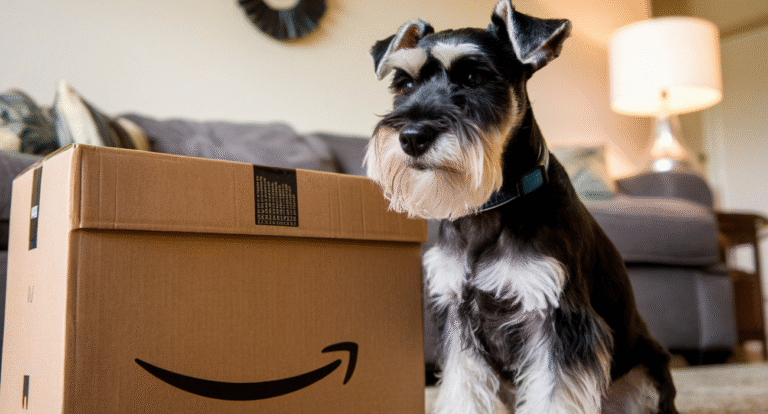
Let’s talk about expectations versus reality. When people see a Schnauzer, they often assume they’re getting a low key, easygoing dog. After all, they’re not bouncing around like Jack Russell Terriers or zooming like Border Collies. But assuming a Schnauzer is calm is like assuming that small package on your doorstep contains something boring.
The truth about Schnauzer temperament is more nuanced than a simple yes or no. These dogs have layers, and whether they’re “calm” depends heavily on genetics, how you raise them, and what your definition of calm actually means. Time to separate the myths from reality.
The Schnauzer Spectrum
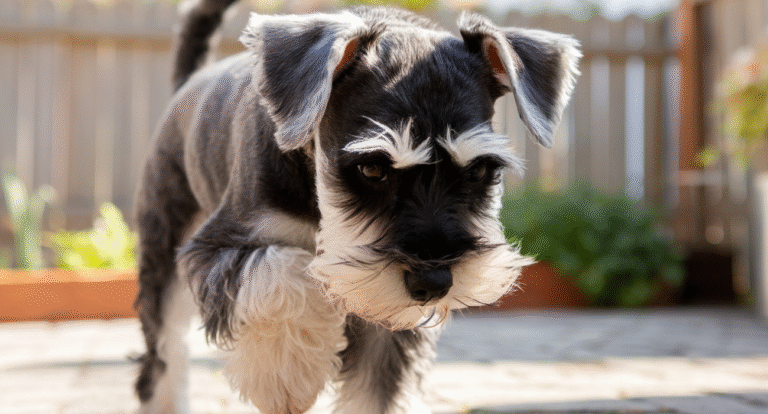
The first thing you need to know is that not all Schnauzers are created equal. This breed comes in three distinct sizes, and each one brings its own energy signature to the table. We’ve got Miniature Schnauzers (the pocket sized firecrakers), Standard Schnauzers (the Goldilocks middle ground), and Giant Schnauzers (the working dog powerhouses). Your experience with “calmness” will vary dramatically depending on which version you bring home.
Miniature Schnauzers typically weigh between 11 to 20 pounds and were originally bred to be ratters on farms. That terrier heritage means they’ve got serious spunk packed into those little bodies. Standards clock in around 30 to 50 pounds and were all purpose farm dogs. Giants can reach 55 to 85 pounds and were bred for driving cattle and guarding property. See where this is going? Size matters when we’re talking temperament.
The Energy Reality Check
If you’re expecting a dog that lounges around all day like a furry throw pillow, a Schnauzer might not be your match. These are alert, intelligent dogs bred for jobs that required vigilance and action.
Schnauzers across all sizes share certain breed characteristics. They’re incredibly smart, which sounds great until you realize that intelligent dogs get bored easily. A bored Schnauzer is not a calm Schnauzer. They’re also naturally alert and were bred to be watchdogs, meaning they notice everything. That squirrel in the yard? Noticed. The mailman three blocks away? Already aware. The imperceptible sound of a leaf falling? Mission critical information that must be barked about.
The good news? Schnauzers absolutely can settle down and be wonderful indoor companions. The catch is that they need proper exercise, mental stimulation, and training to get there. A well exercised Schnauzer who’s had their physical and mental needs met can be surprisingly chill around the house. An under stimulated one will find creative ways to entertain themselves, and you probably won’t love their creativity.
| Schnauzer Size | Typical Energy Level | Exercise Needs | Calm Potential |
|---|---|---|---|
| Miniature | High to Moderate | 30-45 min daily | Moderate (with proper outlets) |
| Standard | Moderate to High | 45-60 min daily | Good (naturally more balanced) |
| Giant | High | 60+ min daily | Moderate (needs substantial activity) |
The Age Factor Nobody Mentions
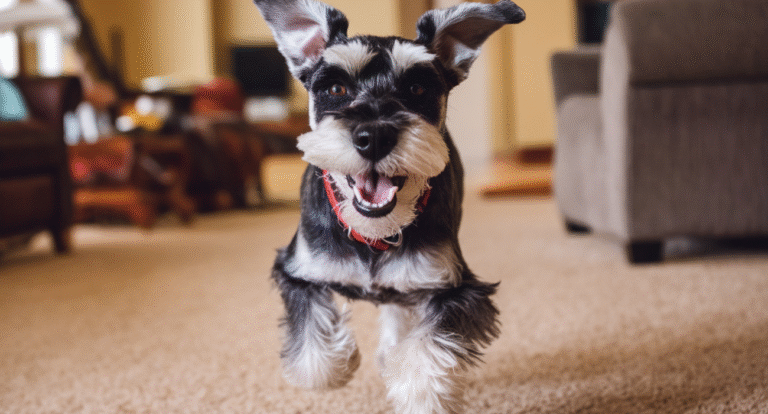
Here’s something crucial that many potential owners overlook: puppy and adolescent Schnauzers are basically furry tornadoes. If you meet a six month old Schnauzer and judge the entire breed on that experience, you’re going to get a wildly inaccurate picture. Young Schnauzers have energy that could power a small city.
Most Schnauzers don’t truly settle into their adult temperament until they’re around two to three years old. During puppyhood and adolescence, expect a dog with opinions, energy to spare, and a mischievous streak that would make a cartoon character jealous. They’re mouthy, they’re bouncy, and they think your rules are more like suggestions.
But something magical happens as they mature. That wild child gradually transforms into a more dignified companion. Adult Schnauzers tend to be much more predictable and manageable. They still have personality for days, but it’s channeled into more acceptable behaviors. Senior Schnauzers (around 7+ years depending on size) often become genuinely mellow, though they usually retain that characteristic alertness even in their golden years.
Training: The Game Changer
Want to know the secret to a calmer Schnauzer? Consistent training from day one. These dogs are smart enough to train easily but also smart enough to train you if you’re not careful. They’re not naturally submissive, and they definitely have their own ideas about how things should work.
Schnauzers respond beautifully to positive reinforcement training. They want to please you (mostly), and they love having a job to do. Teaching them solid obedience basics, impulse control exercises, and appropriate ways to channel their energy makes an enormous difference in their household behavior. A trained Schnauzer who understands boundaries and expectations will be exponentially calmer than one who’s ruling the roost.
The difference between a well trained Schnauzer and an untrained one is like the difference between a professional athlete and someone who just drank three energy drinks. Same potential energy, completely different execution.
Socialization is equally important. Schnauzers can be aloof with strangers and sometimes dog aggressive if not properly socialized. A Schnauzer who’s comfortable in various situations and around different people and dogs is going to be much more relaxed overall. Fear and insecurity manifest as reactivity, which is the opposite of calm.
The Terrier Temperament Truth
Let’s address the elephant (or rather, the terrier) in the room. Miniature Schnauzers are classified in the Terrier Group by many kennel clubs, and they definitely have that terrier attitude. Terriers were bred to be tenacious, independent, and fearless. These aren’t qualities that typically scream “calm and docile.”
Standard and Giant Schnauzers are in the Working Group, which brings its own considerations. Working dogs need jobs. They were bred to DO things, whether that’s guarding, herding, or protecting. A working breed dog without work to do is like a sports car stuck in a parking lot. Sure, it looks nice, but it’s not fulfilling its purpose.
What does this mean for you? It means Schnauzers need mental engagement. Puzzle toys, training sessions, scent work, fetch, learning new tricks… these activities tire out their brains and lead to calmer behavior. Physical exercise alone isn’t enough. You need to engage that sharp Schnauzer mind.
Living with a Schnauzer: The Daily Reality
So what’s it actually like day to day? Most Schnauzer owners describe their dogs as having an “on/off switch.” When there’s something happening, Schnauzers are ON. They’re alert, they’re engaged, and they’re ready for action. But when things are quiet and they’ve had their needs met, they can absolutely relax. Many Schnauzers are champion nappers and love cuddling with their favorite humans.
They’re also incredibly people oriented. Schnauzers form strong bonds with their families and prefer to be where you are. This means they’re generally content to hang out with you, whether you’re working at your desk, watching TV, or puttering around the house. Their alertness means they’ll notice everything, but they don’t necessarily need to react to everything with proper training.
However, they do have some quirks that might interrupt that calm vibe. Schnauzers can be vocal. They’ve got opinions, and they’re not shy about sharing them. Some bark more than others, but alertness barking is pretty standard across the breed. They also can be stubborn. If a Schnauzer decides something is important (like that suspicious leaf that just blew across the yard), they’re going to make sure you know about it.
Individual Personality Matters Most
Here’s the thing about breed generalizations: they’re useful guidelines, but individual personality always wins. Some Schnauzers are naturally more laid back while others are perpetual motion machines. Genetics, early socialization, training, and even just individual temperament create huge variation within the breed.
If you’re shopping for a puppy, spend time with the parents if possible. Meet multiple dogs from the breeder’s lines. A reputable breeder can help match you with a puppy whose personality fits your lifestyle. If you’re adopting an adult, you’ve got the advantage of seeing their actual personality rather than guessing what a puppy will become.
Making It Work: Setting Yourself Up for Success
Can Schnauzers be calm dogs? Absolutely yes, with the right approach. Here’s your success formula:
- Choose the right size for your energy level and living situation. Standards tend to have the most naturally balanced temperament, while Minis and Giants are more intense in different ways.
- Commit to exercise and mental stimulation. A tired Schnauzer is a good Schnauzer. Daily walks, play sessions, and brain games aren’t optional if you want a calm household companion.
- Invest in training early and often. Good manners and impulse control don’t happen by accident. Professional training classes can be incredibly valuable, especially if this is your first Schnauzer.
- Be realistic about the adjustment period. Your Schnauzer might not be “calm” for the first couple of years. If you can ride out the puppy and adolescent phases with consistency and patience, you’ll likely end up with a wonderful adult dog.
- Provide appropriate outlets for their instincts. Let them watch out the window (controlled barking allowed). Give them things to “hunt” like treat dispensing toys. Make them feel like they have important jobs, even if those jobs are silly.
The Verdict
Are Schnauzers calm dogs? The honest answer is: they can be, but they’re not naturally couch potatoes. Think of them as having calm potential that you unlock through proper care, training, and lifestyle matching. They’re alert, intelligent, spirited dogs with strong personalities. In the right home with realistic expectations, they become wonderful companions who know how to relax. In the wrong home, they become challenging pets that never quite settle.
If your definition of calm means a dog that sleeps 20 hours a day and barely notices when you leave the room, a Schnauzer isn’t your breed. But if calm means a dog that’s engaged and interactive when appropriate but can also relax and be a pleasant household member, then yes… a well bred, properly raised, adequately exercised, and trained Schnauzer can absolutely fit that bill. They’ll just do it with more personality and pizzazz than your average dog.