Think you know the limit? Discover how long is truly safe to leave your German Shepherd alone without risking stress or behavior problems.
Here’s what nobody tells you before you bring home that adorable German Shepherd puppy: these dogs have opinions about being left alone, and they’re not afraid to share them with your neighbors. Through your walls. At full volume.
But panic isn’t necessary. Thousands of German Shepherd owners successfully balance work schedules with happy, healthy dogs. The secret isn’t magic; it’s understanding what your shepherd actually needs and how to meet those needs even when you can’t be physically present. Ready to become an expert on solo time for your four legged shadow? Let’s dive in.
The Baseline: How Long Is Actually Safe?
The general rule of thumb that veterinarians and behaviorists agree on is surprisingly specific. Adult German Shepherds should not be left alone for more than 4 to 6 hours at a time on a regular basis. Notice the emphasis on “regular basis” because occasionally stretching to 8 hours won’t cause a crisis, but making it your daily routine? That’s when problems start brewing.
For puppies, the timeline shrinks dramatically. A good formula is one hour per month of age, maxing out around 4 hours until they reach adulthood. So your 3 month old puppy? Two to three hours is the absolute limit before accidents and anxiety become inevitable.
| Age of German Shepherd | Maximum Alone Time | Ideal Alone Time |
|---|---|---|
| 8 to 12 weeks | 1 to 2 hours | 30 to 60 minutes |
| 3 to 6 months | 2 to 4 hours | 1 to 2 hours |
| 6 to 12 months | 4 to 6 hours | 2 to 4 hours |
| Adult (1+ years) | 6 to 8 hours (maximum) | 4 to 6 hours |
| Senior (7+ years) | 4 to 6 hours | 2 to 4 hours |
Why German Shepherds Struggle More Than Other Breeds
Not all dogs are created equal when it comes to independence. Some breeds, like Basenjis or Shar Peis, have a naturally aloof temperament. German Shepherds? They’re the complete opposite.
These dogs form incredibly strong bonds with their family members. It’s what makes them such effective protection dogs, service animals, and loyal companions. But this same trait becomes a double edged sword when you need to leave for work. Your shepherd doesn’t understand that you’re coming back in six hours; they just know their pack is incomplete and something feels wrong.
Additionally, German Shepherds rank among the most intelligent dog breeds. That big brain needs stimulation. Without it, boredom sets in fast, and a bored German Shepherd is a destructive German Shepherd. They’ll find ways to entertain themselves, and you probably won’t like their creative solutions.
When a German Shepherd is left alone too long, you’re not dealing with simple sadness. You’re dealing with a highly intelligent animal experiencing genuine distress, and they will communicate that distress in ways that get your attention.
The Real Consequences of Extended Alone Time
Let’s talk about what actually happens when you regularly exceed those time limits. The effects aren’t just inconvenient; they can fundamentally change your dog’s personality and health.
Separation Anxiety Development
This is the big one. German Shepherds are predisposed to separation anxiety, and excessive alone time is like pouring gasoline on that genetic spark. Signs include:
- Destructive behavior focused on exit points (doors, windows)
- Excessive barking or howling
- Pacing and inability to settle
- Accidents in the house despite being fully housetrained
- Self harm behaviors like excessive licking or chewing
Once separation anxiety takes hold, it’s remarkably difficult to reverse. Prevention through appropriate alone time limits is exponentially easier than treatment.
Physical Health Impacts
A German Shepherd left alone for 10 hours isn’t just emotionally uncomfortable but they’re physically suffering too. Holding their bladder that long can lead to urinary tract infections and even bladder stones. The lack of movement contributes to obesity and joint problems, issues German Shepherds are already genetically prone to developing.
Behavioral Deterioration
Beyond anxiety, you’ll see general behavior problems crop up. Aggression can increase as stress hormones stay chronically elevated. Training you’ve worked hard on starts to unravel. Your previously friendly dog might become reactive to strangers or other dogs because their overall stress tolerance has plummeted.
The cost of consistently leaving your German Shepherd alone too long isn’t measured in destroyed shoes or noise complaints. It’s measured in the erosion of your dog’s mental health and the relationship you’ve built together.
Strategies to Extend Alone Time Successfully
Reality check: most people can’t be home every four hours. Jobs exist, errands happen, and life doesn’t always accommodate ideal dog schedules. So how do you bridge the gap between what your German Shepherd needs and what your schedule allows?
Hire Help During the Day
Dog walkers and pet sitters are worth their weight in gold. A midday visit that includes a 30 minute walk, some playtime, and a bathroom break transforms an eight hour stretch into two manageable four hour blocks. Your dog gets physical exercise, mental stimulation, and crucial social interaction.
Many dog walkers offer pack walks, which provide the added bonus of socialization with other dogs. For German Shepherds with good social skills, this can be even more enriching than a solo walk.
Doggy Daycare Options
If your budget allows, doggy daycare solves multiple problems simultaneously. Your shepherd gets:
- Constant supervision and companionship
- Hours of play and exercise
- Mental stimulation from changing environments and activities
- Socialization practice
The caveat? Not every German Shepherd thrives in daycare settings. Some find the chaos overwhelming or don’t play well with the group dynamic. A trial day is essential before committing to regular attendance.
Create an Enriching Environment
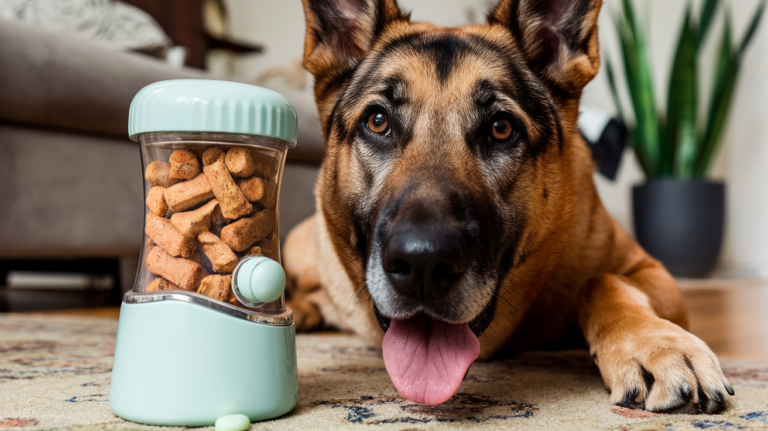
When your dog must be alone, make those hours count. Puzzle feeders and treat dispensing toys can occupy 30 minutes or more of focused activity. Rotate toys to maintain novelty. Leave the TV or radio on; some dogs find comfort in background noise that simulates household activity.
Consider the view from your dog’s waiting spot too. A window overlooking a quiet backyard provides natural entertainment. Just avoid windows facing busy streets, which can increase anxiety and trigger territorial barking.
Technology to the Rescue
Pet cameras with two way audio let you check in and even talk to your dog throughout the day. Some German Shepherds find immense comfort in hearing their owner’s voice, even through a speaker. Automatic treat dispensers can be programmed to release rewards at intervals, providing something to look forward to.
The goal isn’t to make your German Shepherd enjoy being alone. That’s unrealistic for this breed. The goal is to make alone time tolerable, manageable, and free from distress.
Special Considerations for Puppies and Seniors
The Puppy Challenge
German Shepherd puppies are exponentially more demanding than adults. Beyond the shorter bladder control window, puppies are also at critical stages of development. Socialization windows close quickly, and a puppy left alone constantly misses crucial learning opportunities.
Puppy pads can help with the bathroom situation but don’t rely on them as a permanent solution. You’re teaching your puppy that eliminating indoors is acceptable, which creates housetraining confusion later.
Consider enrolling in puppy daycare specifically designed for younger dogs. These programs understand developmental needs and structure activities accordingly. Alternatively, arrange for multiple daily visits from a pet sitter during those first crucial months.
Senior Dogs Need Different Accommodations
As your German Shepherd ages past seven or eight years, their needs shift again. Senior dogs often develop arthritis, making it painful to hold positions too long. They may need more frequent bathroom breaks due to weakening bladder control. Cognitive decline can also increase anxiety when left alone.
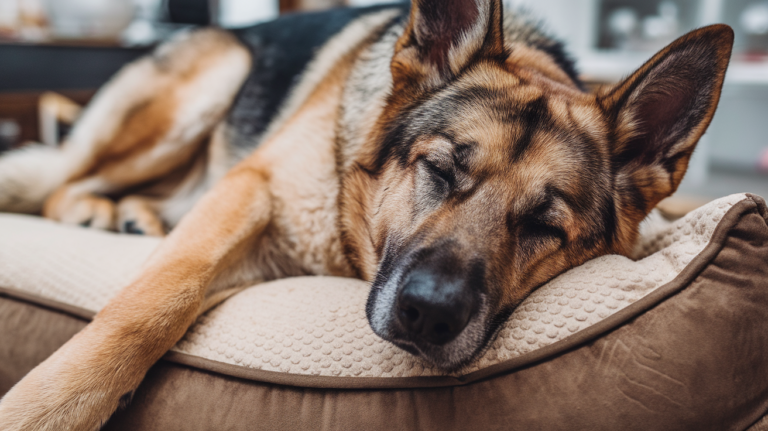
Orthopedic beds become essential for comfort during long waits. Easy access to water is crucial since seniors are more prone to dehydration. Some owners install pet doors to yards so senior dogs can relieve themselves as needed, though this requires a secure outdoor space.
Signs Your German Shepherd Isn’t Coping Well
How do you know if your current arrangement isn’t working? Your dog will tell you, though not always in obvious ways:
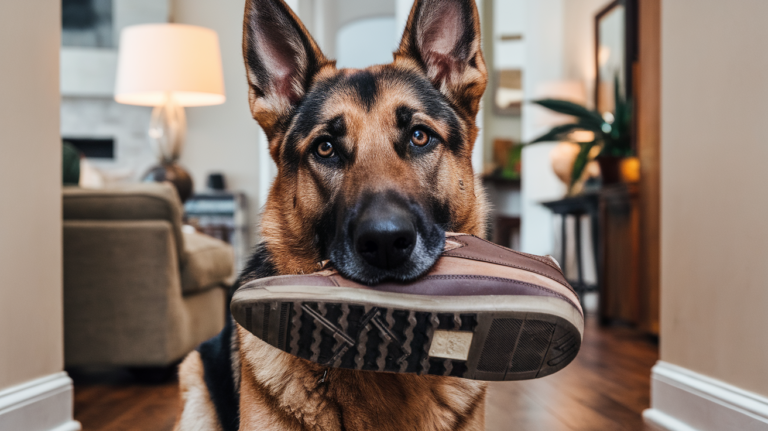
- Destructive behavior that targets specific items like your shoes or the couch arm you sit on (these items smell like you)
- Changes in appetite or drinking habits
- Excessive shedding beyond normal seasonal patterns
- Withdrawn behavior or decreased interest in activities they usually love
- Hyperattachment when you are home, including following you room to room obsessively
Pet cameras reveal behaviors you might otherwise miss. Many owners are shocked to discover their “fine” dog actually paces for hours or barks intermittently throughout the day.
Building Independence Gradually
If you’re bringing home a new German Shepherd or trying to repair separation issues, start small. Practice departures of just five to ten minutes initially. Don’t make a big deal of leaving or returning; stay calm and matter of fact.
Gradually extend the duration, watching for signs of stress. If your dog starts showing anxiety symptoms, you’ve pushed too far too fast. Scale back and progress more slowly. This process takes weeks, sometimes months, but it builds genuine confidence rather than simple resignation.
Crate training often helps, as many dogs find the den like enclosure comforting rather than restrictive. The crate becomes a safe space associated with rest and relaxation, not isolation and panic.
When Professional Help Becomes Necessary
Sometimes DIY solutions aren’t enough. If your German Shepherd shows severe separation anxiety symptoms or destructive behavior continues despite your best efforts, consult a veterinary behaviorist. These specialists can:
- Prescribe anti anxiety medications for severe cases
- Design behavior modification programs tailored to your specific situation
- Identify underlying issues you might have missed
There’s no shame in seeking professional help. Separation anxiety is a legitimate behavioral disorder, not a training failure on your part.
The Bottom Line on Alone Time
German Shepherds are phenomenal dogs, but they’re not low maintenance. Their need for companionship and mental stimulation means you cannot treat them like independent pets who simply coexist in your space. When you bring one of these incredible animals into your life, you’re committing to meeting their social needs, and that includes limiting solo time.
For most adult German Shepherds, four to six hours represents the sweet spot where needs are met without undue stress. Puppies and seniors need even more consideration. Yes, this requires planning, possibly financial investment in dog care services, and lifestyle adjustments.
But here’s what you get in return: a confident, well adjusted German Shepherd who trusts you completely. A dog who doesn’t destroy your belongings or disturb neighbors. A companion who’s genuinely happy, not just surviving until you get home.
That trade off? Completely worth it.