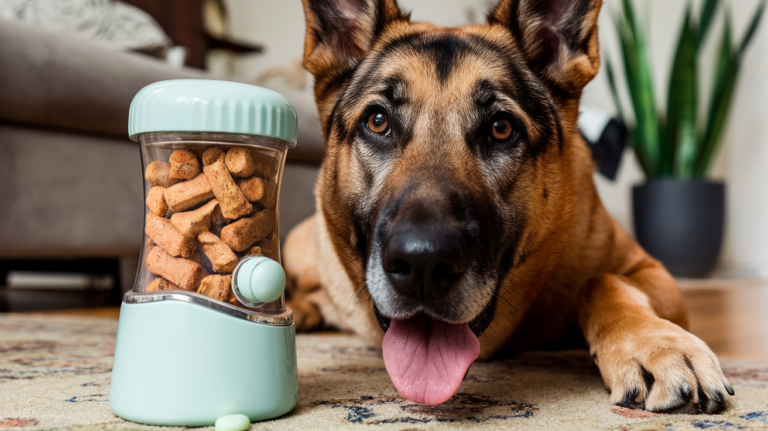
A bored German Shepherd can turn into chaos fast. These clever tricks add instant excitement, challenge their mind, and keep them happily entertained.
Ever watched your German Shepherd pace around the house like they’re training for a marathon? Or maybe they’ve taken up a new hobby of theatrical sighing every five minutes? Welcome to life with an understimulated working breed! These dogs were literally engineered to think, move, and problem solve, so lounging around watching TV isn’t exactly in their DNA.
The difference between a content German Shepherd and a destructive one often comes down to how well their mental and physical needs are being met. Think of their brain as a supercomputer that needs constant updates and their body as an athlete in training. Without the right stimulation, all that potential gets redirected into activities like excavating your garden or auditioning for a remake of “Marley & Me.” Lucky for you, we’ve got six game-changing strategies that’ll channel all that energy productively.
The Challenge of Owning a Genius
German Shepherds rank among the smartest dog breeds on the planet, typically placing in the top three for intelligence and trainability. This brilliance is both a blessing and a curse. While it means they can learn complex commands in just a few repetitions, it also means they get bored faster than most breeds. Their working heritage means they were designed to stay active and mentally engaged for hours at a time.
When a German Shepherd’s needs aren’t met, you’ll see telltale signs: excessive barking, digging, chewing, pacing, or even developing anxiety-related behaviors. They might follow you obsessively from room to room or become destructive the moment you leave. Understanding that these behaviors stem from boredom rather than “bad” behavior is the first step toward solving the problem.
A tired German Shepherd is a happy German Shepherd. But the magic formula isn’t just physical exhaustion; it’s the perfect combination of mental stimulation and physical activity that creates a truly content dog.
1. Create a Backyard Agility Course
Transform your outdoor space into an adventure playground that would make any German Shepherd’s tail wag uncontrollably! You don’t need expensive equipment or a massive yard to create an effective agility setup. Start with simple obstacles: weave poles (PVC pipes work perfectly), a tunnel (even a children’s play tunnel does the job), and some jumps made from pool noodles or adjustable bars.
Why this works: Agility training engages both your dog’s body and mind simultaneously. They have to think about where to place their paws, how to navigate obstacles, and respond to your directional cues, all while getting a fantastic workout. Plus, it strengthens your bond as you become a team working together.
Here’s a simple starter course layout:
| Obstacle Type | DIY Materials Needed | Skill Level | Space Required |
|---|---|---|---|
| Weave Poles | 6 PVC pipes, bases | Beginner | 10 feet long |
| Jump Bar | Pool noodles, stakes | Beginner | 6 feet wide |
| Pause Table | Wooden platform | Beginner | 3×3 feet |
| Tunnel | Children’s play tunnel | Intermediate | 8-10 feet long |
| A-Frame | Wood planks, hinges | Advanced | 8 feet long |
Start with just 10 minutes of training sessions to avoid overwhelming your dog. Make it fun and reward-heavy rather than perfection-focused. You’ll be amazed at how quickly your German Shepherd picks up the patterns and starts anticipating the next obstacle. The beauty of agility work is that it tires them out mentally as much as physically, which means deeper satisfaction and better rest afterward.
2. Master the Art of Nose Work Games
Your German Shepherd’s nose contains approximately 225 million scent receptors (compared to your measly 5 million), making scent work one of the most naturally satisfying activities you can offer. Nose work taps into their innate tracking abilities and provides mental stimulation that rivals a challenging puzzle for humans.
Start simple: hide treats around the house while your dog waits in another room, then release them with a command like “find it!” Begin with obvious locations and gradually increase difficulty. You can also use scent-specific training by introducing essential oils (dog-safe ones like anise or birch) on cotton balls and teaching your shepherd to locate that specific scent.
Fifteen minutes of focused nose work can tire a German Shepherd as much as an hour-long walk. The concentration required for scent discrimination and tracking engages their brain at levels that pure physical exercise simply cannot match.
Advanced nose work might involve creating “scent trails” outdoors where you drag a toy along a path and have your dog follow it. Or set up a muffin tin game: place tennis balls over treats hidden in some cups of a muffin tin and let your dog figure out which ones conceal the goodies. The problem-solving aspect keeps their brilliant minds thoroughly occupied.
3. Introduce Puzzle Feeders and Interactive Toys
Say goodbye to the boring food bowl! Puzzle feeders transform mealtime from a 30-second inhale session into a 20-minute mental workout. These genius devices make your German Shepherd work for every kibble, engaging problem-solving skills and slowing down eating (which aids digestion too).
There’s an incredible variety available:
- Snuffle mats: Mimic foraging in grass
- Treat-dispensing balls: Require rolling and manipulation
- Sliding puzzle boards: Feature multiple compartments with different opening mechanisms
- Freezable enrichment toys: Provide long-lasting engagement
You can even create DIY versions at home. Try the “towel burrito”: spread kibble on a towel, roll it up, and let your dog unroll it to find their food. Or use a muffin tin with tennis balls as mentioned earlier. The investment in these toys pays dividends in mental exhaustion and behavioral improvement.
Rotate different puzzles to prevent your clever shepherd from getting bored with the same challenge. What stumps them on Monday might be solved in seconds by Friday, so keep the difficulty level appropriately challenging.
4. Teach Complex Trick Chains
German Shepherds absolutely thrive on learning, so why stop at basic commands? Trick chains (sequences of behaviors performed in order) provide exceptional mental stimulation and showcase your dog’s impressive cognitive abilities. Think beyond “sit” and “stay” into territory like “go to your bed, bring me your toy, then spin twice.”
Start by perfecting individual tricks: shake, spin, bow, back up, weave through legs, or play dead. Once each trick is solid, begin linking them together with a consistent verbal or hand signal transition. The challenge of remembering sequences and responding to cues keeps their brain firing on all cylinders.
Pro tip: Film your training sessions and create a “trick library” you can show off to friends. German Shepherds often enjoy performing, and the positive attention reinforces their learning. Some shepherds have learned sequences of 10+ behaviors strung together, essentially performing choreographed routines!
The beauty of trick training is that it can happen anywhere: in your living room during commercial breaks, in the backyard, or even in small spaces during bad weather. Just 5 to 10 minutes several times a day can make a massive difference in your dog’s mental satisfaction.
5. Set Up Playdates with Purpose
Socialization isn’t just for puppies! Adult German Shepherds benefit enormously from regular interaction with other dogs, particularly those who match their play style and energy level. The social dynamics, physical play, and mental stimulation of reading canine body language provide enrichment that humans simply can’t replicate.
Seek out dogs who can keep up with your shepherd’s intensity. Herding breeds, sporting dogs, and other high-energy companions often make ideal playmates. Visit dog parks during off-peak hours when you can better control the environment, or arrange structured playdates with dogs you know have compatible temperaments.
Quality over quantity matters with socialization. One well-matched playmate who engages in appropriate play for 30 minutes beats a chaotic dog park free-for-all every time. Look for balanced players who enjoy wrestling, chasing, and interactive games rather than just parallel sniffing.
Consider organizing group hikes with other dog owners or joining a breed-specific meetup group. German Shepherds often bond wonderfully with their own breed since they share similar communication styles and play preferences. The combination of exercise, socialization, and environmental exploration during these outings creates a trifecta of enrichment.
6. Implement “Working Dog” Activities
Remember, German Shepherds were literally bred to have jobs! Giving your dog purposeful tasks taps into their genetic programming and provides deep satisfaction. These don’t have to be traditional shepherding duties; any activity that makes them feel useful and challenged works beautifully.
Some fantastic “job” options include:
- Backpack wearing on walks: Add weight (no more than 10% of body weight) so they’re “working” during exercise
- Fetch with purpose: Have them retrieve specific named items or bring in the newspaper
- Cart pulling: Small carts or wagons allow them to help move items around the yard
- “Help” with chores: Teaching them to close doors, pick up toys into a basket, or bring you items on command
Training your German Shepherd to assist with actual household tasks creates mental engagement while strengthening your bond. They learn object names, develop impulse control (waiting for the command before acting), and experience the satisfaction of completing tasks successfully.
For truly ambitious owners, consider getting involved in organized activities like search and rescue training, therapy dog certification, or competitive obedience. These programs channel your shepherd’s abilities into meaningful work that benefits others while providing unparalleled fulfillment for your dog.
The transformation you’ll see in a German Shepherd who has regular jobs to perform is remarkable. They carry themselves with more confidence, settle more easily during downtime, and exhibit fewer behavioral issues because their needs for purpose and mental challenge are being met.
| Activity Type | Mental Stimulation | Physical Exercise | Time Investment | Cost |
|---|---|---|---|---|
| Agility Course | High | High | 30-45 min/day | $50-200 |
| Nose Work | Very High | Low-Medium | 15-20 min/day | $0-50 |
| Puzzle Feeders | Medium-High | Low | 20-30 min/meal | $15-50 |
| Trick Training | High | Low | 10-15 min/session | $0-20 |
| Dog Playdates | Medium | High | 1-2 hours/week | $0-20 |
| Working Activities | High | Medium-High | 30-60 min/day | $20-100 |
Your German Shepherd’s happiness depends on meeting their unique needs as an intelligent, energetic working breed. These six strategies aren’t just about keeping them busy; they’re about honoring what makes them special and providing outlets for their natural abilities. Mix and match these activities, stay consistent, and watch your bored shepherd transform into a fulfilled, well-balanced companion. The investment you make in their mental and physical enrichment will return tenfold in the form of better behavior, deeper bonding, and a dog who’s genuinely thriving rather than just surviving.