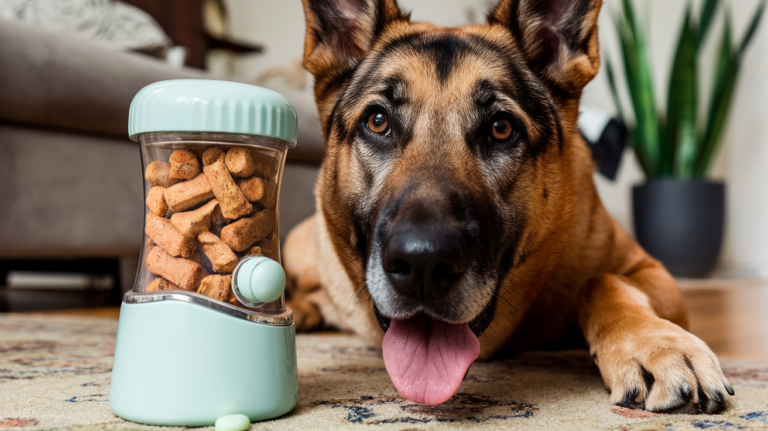
The right supplements support long term health. These options help joints, digestion, and vitality as German Shepherds age.
Watching your German Shepherd slow down is heartbreaking. Those stairs they used to bound up? Now they’re a challenge. The fetch sessions that lasted for hours? Cut short by aching joints. It doesn’t have to be this way.
Quality supplements can genuinely turn back the clock on many age related issues. We’re talking about targeted nutrition that supports everything from joint health to immune function. Think of it as preventive medicine in capsule form, giving your shepherd the building blocks they need to stay vibrant and healthy well into their senior years.
1. Glucosamine and Chondroitin: The Joint Health Power Duo
If you only pick one supplement from this entire list, make it this one. Glucosamine and chondroitin are the undisputed champions of joint health for German Shepherds. These dogs are notorious for hip and elbow dysplasia, conditions that can turn simple movements into painful ordeals.
Glucosamine works by helping rebuild cartilage, that cushiony stuff between bones that wears down over time. Chondroitin, its partner in crime, helps cartilage retain water and blocks enzymes that break down joint tissue. Together, they’re like a renovation crew for your dog’s joints, constantly repairing and maintaining.
The earlier you start joint support, the better your German Shepherd’s chances of maintaining mobility well into their senior years. Prevention beats treatment every single time.
Studies have shown that dogs receiving glucosamine and chondroitin supplements experience reduced joint pain and improved mobility. Many owners report seeing changes within four to six weeks, though the full benefits might take a few months to materialize.
| Joint Health Benefits | Timeline | Visible Improvements |
|---|---|---|
| Cartilage rebuilding | 4-6 weeks | Reduced limping |
| Inflammation reduction | 6-8 weeks | Easier stair climbing |
| Long-term protection | 3+ months | Sustained activity levels |
Look for supplements containing at least 500mg of glucosamine per 25 pounds of body weight. Quality matters enormously here, so spring for pharmaceutical grade products rather than budget options that might contain fillers or insufficient active ingredients.
2. Omega-3 Fatty Acids: The Anti-Inflammatory Miracle Worker
Fish oil might smell terrible, but its benefits for German Shepherds are absolutely remarkable. Omega-3 fatty acids, particularly EPA and DHA, are powerful anti-inflammatory agents that impact virtually every system in your dog’s body.
For starters, omega-3s complement joint supplements beautifully by reducing inflammation in joints and connective tissue. But their benefits extend far beyond that. These fatty acids support brain health (especially important for aging dogs), improve coat quality, support heart function, and even boost the immune system.
German Shepherds can be prone to skin allergies and inflammatory conditions. Regular omega-3 supplementation can dramatically reduce itching, hot spots, and skin inflammation. Many owners notice their dog’s coat becomes shinier and softer within just a few weeks.
The source matters tremendously. Look for fish oil derived from small fish like sardines, anchovies, or herring, which have lower mercury content than larger fish. The oil should be molecularly distilled to remove contaminants and stored in dark bottles to prevent oxidation.
A high quality omega-3 supplement can reduce inflammatory markers in your dog’s body by up to 40%, translating to less pain, better mobility, and improved overall health.
Dosing typically runs around 20 to 55mg of combined EPA and DHA per pound of body weight. For an average 75 pound German Shepherd, that means roughly 1,500 to 4,000mg daily. Start on the lower end and work up, as too much can cause digestive upset.
3. Probiotics: The Digestive System’s Best Friend
German Shepherds are famous for having sensitive stomachs. Bloat, diarrhea, gas, and general digestive upset plague many dogs in this breed. A quality probiotic can be absolutely transformative for these issues.
Your dog’s gut houses roughly 70% of their immune system. When gut bacteria fall out of balance (due to stress, diet changes, antibiotics, or illness), everything suffers. Probiotics restore that balance, crowding out harmful bacteria and supporting healthy digestion.
The benefits go way beyond just preventing upset tummies. A healthy gut microbiome supports nutrient absorption, meaning your dog gets more value from their food. It strengthens immune function, reduces inflammation throughout the body, and can even impact mood and behavior.
| Probiotic Strain | Primary Benefit | Best For |
|---|---|---|
| Lactobacillus acidophilus | Digestive balance | General gut health |
| Bifidobacterium animalis | Immune support | Dogs with allergies |
| Enterococcus faecium | Diarrhea prevention | Sensitive stomachs |
Look for supplements with multiple strains and at least 1 billion CFUs (colony forming units) per serving. The product should be specifically formulated for dogs, as human probiotics don’t always contain the right bacterial strains for canines.
Timing matters with probiotics. Give them on an empty stomach when possible, or at least separated from meals by an hour or two. This gives the beneficial bacteria the best chance of surviving your dog’s stomach acid and reaching the intestines where they do their magic.
4. Multivitamins: Filling the Nutritional Gaps
Even the best dog food can have nutritional gaps. Processing destroys some vitamins, and individual dogs have varying needs based on age, activity level, and health status. A quality multivitamin acts as nutritional insurance, making sure your German Shepherd gets everything they need.
Pay special attention to B vitamins, which support energy metabolism and nervous system health. Vitamin E acts as an antioxidant, protecting cells from damage. Vitamin D supports bone health and immune function (though be careful not to overdo it, as excess vitamin D can be toxic).
German Shepherds specifically benefit from adequate levels of vitamin C and vitamin E, both powerful antioxidants that combat the cellular damage associated with aging. While dogs can manufacture their own vitamin C, supplementation may offer additional benefits, especially for active or senior dogs.
The right multivitamin doesn’t just prevent deficiencies; it optimizes your German Shepherd’s entire system, supporting everything from immune function to cognitive health.
Minerals matter too. Zinc supports skin and coat health. Selenium works alongside vitamin E as an antioxidant. Manganese supports bone and cartilage formation. A comprehensive multivitamin brings all these elements together in balanced amounts.
Choose a multivitamin formulated specifically for large breed dogs, as their needs differ from smaller breeds. Avoid products with artificial colors, flavors, or unnecessary fillers. The ingredient list should be straightforward and science based.
5. MSM (Methylsulfonylmethane): The Underrated Joint and Inflammation Fighter
MSM might not be as famous as glucosamine, but it deserves serious attention. This sulfur containing compound reduces inflammation, supports joint health, and helps with tissue repair. Think of it as the supporting actor that makes the whole production better.
Sulfur is crucial for producing collagen and keratin, proteins essential for healthy joints, skin, and coat. MSM provides bioavailable sulfur in a form your dog’s body can easily use. It also appears to reduce oxidative stress and support detoxification processes.
Many joint supplements combine MSM with glucosamine and chondroitin because they work synergistically. MSM enhances the absorption and effectiveness of these other compounds while providing its own anti-inflammatory benefits. Dogs taking this combination often show better results than those taking glucosamine and chondroitin alone.
Beyond joints, MSM supports healthy skin and can reduce allergic responses. Some research suggests it may even help with seasonal allergies, though more study is needed. Owners frequently report improvements in coat quality and reduction in scratching and skin irritation.
Typical dosing ranges from 50 to 100mg per pound of body weight daily, though some dogs benefit from higher amounts. MSM is generally very safe with minimal side effects, though starting with a lower dose and gradually increasing helps prevent any digestive adjustment period.
The beauty of MSM is its versatility. Whether your German Shepherd is dealing with arthritis, recovering from injury, showing signs of aging, or just needing general wellness support, MSM brings valuable benefits to the table.
A Note on Quality and Safety
Not all supplements are created equal. The pet supplement industry has less regulation than human supplements, which means quality varies wildly. Look for products made in facilities that follow Good Manufacturing Practices (GMP). Third party testing and certification from organizations like NASC (National Animal Supplement Council) provide additional assurance.
Always discuss new supplements with your veterinarian, especially if your German Shepherd takes medications or has existing health conditions. Some supplements can interact with drugs or may not be appropriate for certain medical situations.
Start new supplements one at a time, waiting a week or two before adding another. This approach lets you identify which supplements provide the most benefit and makes it easier to spot any adverse reactions.
Remember that supplements work best as part of a comprehensive health strategy. They can’t compensate for poor diet, lack of exercise, or neglected veterinary care. But when combined with quality nutrition, regular activity, and preventive healthcare, these five supplements can genuinely help your German Shepherd live a longer, healthier, and more comfortable life.