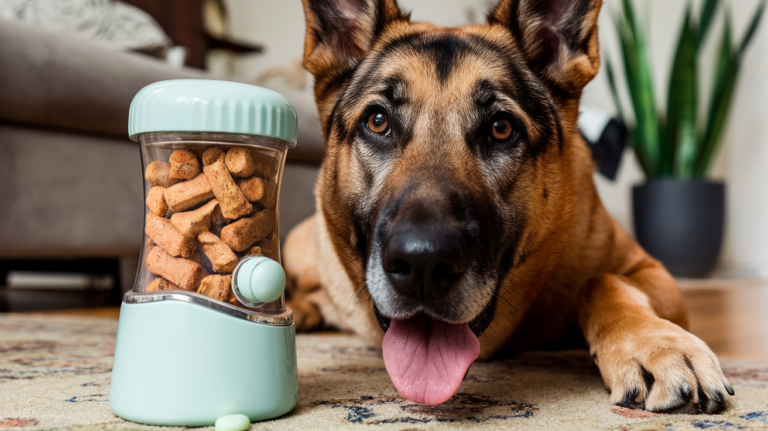
That harmless-looking houseplant could spell trouble. Common greenery poses real risks many German Shepherd owners never suspect.
Your backyard might look like a peaceful paradise, but for your German Shepherd, it could be hiding some seriously dangerous surprises. Those pretty flowers you planted last spring? They might be toxic. That lush greenery you admired at the garden center? Potentially deadly.
German Shepherds are curious, athletic dogs who love to explore with their mouths. This natural behavior, combined with their size and tendency to chew, makes them particularly vulnerable to plant poisoning. Let’s dive into five seemingly harmless plants that could spell trouble for your four-legged friend.
1. Sago Palm: The Deadly Decorator
If there’s one plant that should send shivers down every dog owner’s spine, it’s the sago palm. This popular ornamental plant looks absolutely stunning in landscapes and indoor pots, which is precisely why it’s so dangerous. People love it, dogs eat it, and the results can be catastrophic.
Every single part of the sago palm is toxic, but the seeds (or nuts) contain the highest concentration of cycasin, the toxin responsible for its deadly effects. Even ingesting just one or two seeds can be fatal to a German Shepherd. The symptoms start appearing within 15 minutes to several hours after ingestion and include vomiting, diarrhea, lethargy, and seizures.
The sago palm doesn’t give second chances. With a mortality rate exceeding 50% even with aggressive treatment, this plant is not just dangerous; it’s a killer hiding in plain sight.
Here’s what makes sago palm poisoning particularly insidious: it attacks the liver. Your German Shepherd might seem to recover after the initial symptoms, only to experience liver failure days later. This “false recovery” period tricks many owners into thinking their dog is out of danger.
Treatment requires immediate veterinary intervention, including induced vomiting, activated charcoal, aggressive IV fluid therapy, and medications to protect the liver. Even with all of this, the prognosis remains guarded. The bottom line? If you have a German Shepherd, sago palms have no place in your home or yard, period.
2. Autumn Crocus: The Sneaky Bloomer
Don’t let the delicate, pretty flowers fool you. The autumn crocus (Colchicum autumnale) is basically a wolf in sheep’s clothing, botanically speaking. While it shares a name with the harmless spring crocus, this fall bloomer is an entirely different beast, and one that poses serious risks to your German Shepherd.
The autumn crocus contains colchicine, a highly toxic alkaloid that affects multiple organ systems. Unlike some plant toxins that cause immediate but relatively mild symptoms, colchicine poisoning often has a delayed onset, which can be particularly dangerous. Your dog might seem fine for hours before symptoms suddenly appear.
Initial signs include drooling, vomiting, and diarrhea (often bloody). As the poisoning progresses, your German Shepherd may experience decreased appetite, abdominal pain, and severe dehydration. In serious cases, the toxin causes bone marrow suppression, liver and kidney damage, and respiratory failure.
| Timeframe | Symptoms | Severity |
|---|---|---|
| 2-6 hours | Drooling, vomiting, diarrhea | Moderate |
| 12-24 hours | Bloody stool, dehydration, abdominal pain | Severe |
| 24-72 hours | Organ damage, bone marrow suppression, shock | Critical |
What makes autumn crocus particularly tricky is that there’s no specific antidote. Treatment is purely supportive: managing symptoms, preventing dehydration, and hoping your dog’s body can process and eliminate the toxin before permanent damage occurs. Prevention is absolutely the only reliable strategy here.
3. Azaleas and Rhododendrons: The Beautiful Betrayers
These flowering shrubs are landscape staples, beloved for their stunning blooms and evergreen foliage. They’re so common that most people don’t give them a second thought. Your German Shepherd shouldn’t give them a first taste.
Azaleas and rhododendrons contain grayanotoxins, which interfere with nerve and muscle function, including the muscles that control your dog’s heart. The entire plant is toxic, from roots to flowers, though the leaves tend to contain the highest concentrations. Even ingesting a small amount can cause problems for a German Shepherd.
Just a few leaves from an azalea or rhododendron can turn a normal day into an emergency vet visit. The toxins work fast, attacking the cardiovascular and nervous systems with frightening efficiency.
Symptoms typically appear within a few hours and can include drooling, vomiting, diarrhea, and weakness. As the poisoning progresses, you might notice your German Shepherd becoming lethargic or even collapsing. Their heart rate may drop dangerously low (bradycardia), or they might develop abnormal heart rhythms that can be life threatening.
The good news, if there is any, is that most dogs recover with prompt veterinary treatment. This usually involves inducing vomiting (if ingestion was recent), administering activated charcoal to prevent further toxin absorption, and providing IV fluids along with medications to support heart function and control symptoms. However, recovery depends entirely on how quickly you act.
If you’ve got these shrubs in your yard, seriously consider removing them or fencing them off so your German Shepherd can’t access them. Those pretty flowers aren’t worth the risk.
4. Tulips and Hyacinth: The Spring Surprise
Spring bulbs bring such joy after a long winter, don’t they? Those cheerful tulips and fragrant hyacinths popping up through the soil signal warmer days ahead. Unfortunately, they also signal potential danger for your German Shepherd, especially if your dog is the digging type.
The bulbs contain the highest concentration of toxins (tulipalin A and B in tulips, plus other alkaloids in hyacinths), making them particularly hazardous in spring when gardeners plant them or in fall when they’re getting ready to bloom. A German Shepherd who digs up and chews on these bulbs can be in for a nasty surprise.
Symptoms of tulip or hyacinth poisoning include intense drooling, nausea, vomiting, and diarrhea. The toxins also irritate the mouth and esophagus, causing your dog significant discomfort. In severe cases (usually involving consumption of multiple bulbs), you might see tremors, changes in heart rate, difficulty breathing, or even seizures.
Here’s a practical consideration: German Shepherds are big, strong dogs who love to dig. If you plant spring bulbs, there’s a decent chance your curious companion will excavate them, either intentionally or while pursuing some other backyard adventure. Once unearthed, those bulbs can look like interesting toys or treats.
Treatment involves the usual protocol: preventing further absorption of toxins, managing symptoms, and supportive care. Most dogs recover fully, but why take the chance? Consider planting your spring bulbs in areas your German Shepherd can’t access, use raised beds, or choose non-toxic alternatives like roses, sunflowers, or African violets.
5. Oleander: The Highway Hazard
If you live in warmer climates, you’ve definitely seen oleander. This extremely popular ornamental shrub lines highways, decorates commercial landscapes, and adds color to countless yards. It’s drought tolerant, requires minimal maintenance, and produces gorgeous flowers. It’s also one of the most toxic plants on the planet.
Every part of the oleander plant contains cardiac glycosides, powerful toxins that affect the heart. We’re not talking about mild effects here. Ingesting even a small amount of oleander can cause serious, potentially fatal heart problems in your German Shepherd. Bizarrely, there are even documented cases of people becoming ill from roasting hot dogs on oleander sticks or drinking water in which oleander flowers were placed.
Oleander toxicity is no joke. This plant has earned its reputation as one of the most dangerous ornamentals you can have around pets, capable of causing fatal cardiac arrhythmias from just a few leaves.
Symptoms can appear within a few hours and include drooling, nausea, vomiting (sometimes with blood), diarrhea, abnormal heart rate (usually slow), weakness, and tremors. In severe poisoning cases, dogs can experience seizures, collapse, and death from cardiac arrest. The heart related effects are what make oleander particularly deadly.
Veterinary treatment is intensive and requires cardiac monitoring. Your vet will likely induce vomiting if ingestion was recent, administer activated charcoal, provide IV fluids, and potentially use medications to stabilize heart rhythm. Dogs need close monitoring for at least 24 hours, and recovery isn’t guaranteed even with aggressive treatment.
The widespread use of oleander in landscaping makes it a common danger. If your neighborhood is full of this plant, training your German Shepherd to avoid it is crucial. Better yet, advocate for its removal from public spaces and definitely don’t plant it in your own yard. There are plenty of beautiful, dog safe alternatives that won’t put your best friend’s life at risk.
Creating a safe environment for your German Shepherd means being aware of what’s growing in and around your home. These five plants represent just a fraction of the toxic flora out there, but they’re among the most common and most dangerous. When in doubt, research before you plant, and if your dog does ingest something suspicious, don’t wait to see what happens. Call your vet or the ASPCA Animal Poison Control Center immediately. Your German Shepherd’s life might depend on it.