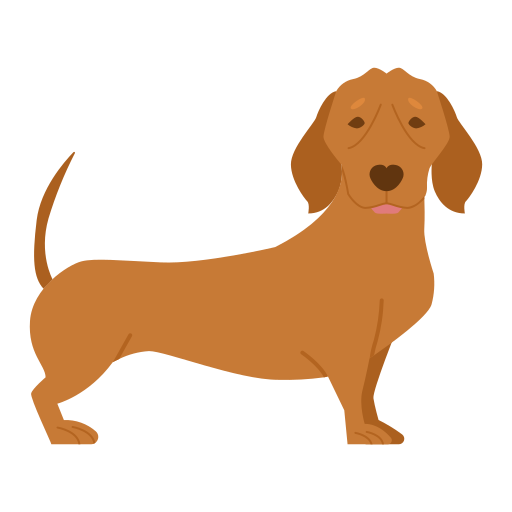
 Dachshund
 The gap between first-time owners who adore their dachshund and the ones quietly googling "rehoming options" at two in the morning almost always comes down to one thing: what they expected when they walked in the door.
Nobody struggles because the dog turned out to be difficult. They struggle because they were promised a comedic little sausage with stubby legs and short walks, and what showed up was a scent hound with strong opinions and a bark that could strip paint.
Both descriptions are true. Only one of them prepares you for a Tuesday.
The good news is that the preparation gap is fixable, and it is mostly free. It just requires knowing what you are signing up for before the paperwork gets signed.
The Personality You Are Actually Signing Up For
Dachshunds were bred to go underground, alone, and pick a fight with a badger. That job description did not reward dogs who checked in with their handler for permission.
Everything charming and everything maddening about the breed traces back to that.
Stubbornness Has a Purpose
First-time owners often interpret a dachshund ignoring a recall as defiance, or worse, as proof that their dog is dumb. Neither is right.
A dachshund weighs your request against whatever it was already doing and makes a judgment call. That is literally the trait they were selected for.
Training works beautifully with this breed, but only if you accept the terms. Bribery outperforms authority. Short sessions outperform long ones. And repetition without a payoff gets filed under "things I no longer respond to."
A dachshund does not learn that you are in charge. A dachshund learns that cooperating with you is consistently the best available option, and then chooses it.
The owners who fight this dynamic burn out. The owners who work with it end up with a dog who does obedience for fun.
The Voice
Small dog, enormous sound. This is not a defect and it is not something you will train away entirely.
Dachshunds bark at the mail carrier, the neighbor’s car door, a leaf with suspicious intentions, and occasionally nothing at all. Apartment dwellers, take that seriously before you commit.
You can absolutely reduce it. Teaching a "quiet" cue, managing window access, and rewarding calm behavior all help, and most owners land somewhere reasonable within the first year. Expecting silence, though, is setting yourself up to be annoyed daily.
Housetraining Is the Hurdle Everyone Underestimates
Ask a room full of dachshund owners about potty training and watch the collective flinch.
This breed has a well earned reputation for being slow to housetrain, and first-time owners tend to take it personally. Do not.
Part of it is bladder size. Part of it is that a dog whose belly rides four inches off the ground has strong feelings about wet grass and cold concrete. And part of it is that dachshunds are excellent at finding the one carpeted corner you never check.
Crate training helps enormously. So does a schedule that is boring and identical every single day.
Plan on six months of consistency, not six weeks. Owners who go in expecting a long project stay patient; owners expecting a quick win start yelling by week three, which makes everything worse.
Indoor potty options are worth considering if you live somewhere with real winters or if you are on the fifth floor. A dachshund who refuses to go out in the rain will find an alternative, and you would rather choose it than discover it.
The Back Conversation
Yes, you have heard that dachshunds have back problems. Here is the version with actual numbers attached.
Intervertebral disc disease affects roughly a quarter of dachshunds over their lifetime, which is dramatically higher than most breeds. It can range from a painful episode that resolves with rest to a surgical emergency.
That statistic scares people off, and honestly, it should scare you a little. Fear is useful when it turns into habits.
The Rules Worth Enforcing
Keep the dog lean. This is the single biggest lever you control, and it is not close. An overweight dachshund is carrying extra load on a spine that was already a structural experiment.
Block the furniture jumps. Ramps and pet stairs cost less than a dinner out, and a dog who launches off the couch a dozen times a day is compounding risk.
Support the body when you lift, one hand under the chest and one under the rear, never dangling from the armpits like a toddler.
Skip the stairs when you can, especially going down, and especially for puppies whose growth plates are still closing.
Every good habit you build in month one becomes automatic by month six. Every bad one becomes a vet bill somewhere down the line.
Pet insurance deserves a genuine look with this breed. Spinal surgery routinely runs into the thousands, and it tends to arrive without warning on a weekend.
Daily Life Logistics
Beyond temperament and health, the ordinary rhythms of ownership matter, and dachshunds are honestly pretty manageable here.
Coat Type Changes Your Chores
Smooth coats are the low maintenance option: a weekly once over with a rubber curry and you are done.
Longhairs need brushing a few times a week or the feathering behind the ears turns into a mat you will have to cut out. Wirehairs need occasional hand stripping or a trip to a groomer who knows the coat.
None of this is difficult. It just helps to know which flavor of chore you are choosing before you fall in love with a photo.
Exercise Is Modest, Mental Work Is Not
Two solid walks a day satisfies most adult dachshunds physically. That part is easy on a beginner’s schedule.
Their brains are a different story. A bored dachshund redecorates.
Snuffle mats, scent games, food puzzles, and a five minute training session before dinner do more for behavior than an extra mile of walking ever will. Give the nose a job and the rest of the dog settles.
Who Thrives With a First Dachshund
Not every beginner is a match, and pretending otherwise does nobody any favors.
Green Flags
You are home a decent amount, or you have a plan for the hours you are not. Dachshunds bond hard and separation anxiety is common.
You find stubbornness funny rather than insulting. This one matters more than any amount of dog training experience.
You have a realistic budget that includes an emergency cushion. You are willing to be the person who says no to the couch jump even when the dog gives you the look.
Things That Should Give You Pause
Very young kids in the house complicate matters. Dachshunds are not fragile exactly, but a toddler grabbing and lifting one incorrectly is a real injury risk, and the dog may respond with teeth.
Thin apartment walls plus a strict noise policy is a genuine conflict. Be honest with yourself about your neighbors.
Long unpredictable work hours are rough on a velcro breed that was not built to entertain itself gracefully.
The question was never whether dachshunds are easy. The question is whether their particular brand of difficult is one you will find charming at eleven at night.
Your First Ninety Days
Start with a crate, a schedule, and low expectations about speed. Everything else builds on those three.
Socialize early and widely, because this breed leans suspicious of strangers without deliberate exposure during puppyhood.
Enroll in a group class, even if you think you can handle it yourself. The value is less about the commands and more about your dog learning to focus while other things are happening.
Buy the ramp before the dog arrives, not after the first scare.
And find a vet who has treated plenty of dachshunds, then ask them directly what warning signs they want you calling about. A reluctance to jump, a hunched posture, or shivering after normal activity are worth a phone call rather than a wait and see.
Beginners absolutely succeed with this breed, and they do it constantly. They just tend to be the ones who read something like this first.