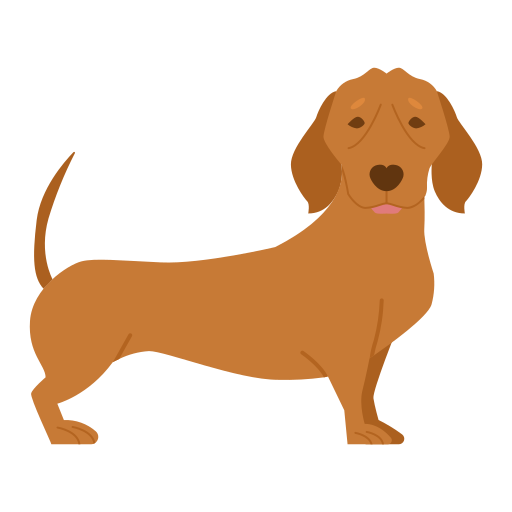
 Dachshund
 Sausage problems.
Anyone who shares a home with a long dog knows exactly what that phrase means: a body built like a coffee table, a back that needs babysitting, and a personality roughly four times larger than the animal carrying it.
Dachshunds are not normal dogs. They were bred to crawl into badger dens and argue with something twice their size, which explains a lot about why yours refuses to get off the couch when asked.
That stubborn streak is charming. It is also exhausting.
1. Build a Ramp Habit Before You Need One
Jumping is the enemy. Every leap off a bed or sofa sends a shock straight through a spine that was never designed for that kind of impact.
Most owners buy a ramp after a scare. Buy yours now, while everything is fine, because a healthy dachshund learns ramp skills far faster than a sore one.
Make the Ramp Boring
Leave it flat on the floor for a few days. Toss treats on it. Let your dog walk across it like it is just another piece of furniture, then gradually raise one end.
The trick is patience. Dachshunds hate being pushed into new things, but they will absolutely follow a chunk of cheese anywhere.
A ramp your dog ignores is worth more than a surgery you cannot afford.
2. Feed From a Snuffle Mat Instead of a Bowl
Bowls are efficient. Efficiency is the last thing a scent hound needs at dinnertime.
Scatter the same portion of kibble into a snuffle mat and watch a thirty second meal stretch into ten minutes of genuine, nose down work. That is enrichment, and it is the closest most modern dachshunds get to hunting anything.
Bonus: a dog who has worked for food is noticeably calmer afterward.
3. Use a Harness, Always
Collars concentrate pressure on the throat and pull the spine into positions it does not enjoy. A well fitted Y shaped harness spreads that force across the chest instead.
Skip the ones that cross tightly over the shoulders. They restrict the front leg movement that dachshunds rely on for that funny little swaggering gait.
Fit Check in Ten Seconds
Two fingers should slide under any strap without a fight. If your dog’s elbows brush the harness edges when walking, it sits too far forward.
4. Teach a Rock Solid "Wait" at Doorways
Doors are where dachshund chaos peaks. The doorbell rings, the door cracks, and suddenly a small brown missile is halfway down the driveway.
Start indoors with no distractions at all. Open a door an inch, say wait, close it if your dog moves, and repeat until stillness earns the reward instead of speed.
It feels tedious. Then one day your dog freezes at the threshold while a delivery driver walks past, and you understand why you spent three weeks on it.
5. Guard the Waistline Like It Matters (Because It Does)
Extra weight on a dachshund is not a cosmetic issue. Every additional pound multiplies the load on those already vulnerable discs, and the difference between a lean dachshund and a chubby one can be a matter of two or three pounds total.
Run your hands along the ribs. You should feel them easily under a thin layer, the way you feel your own knuckles through the back of your hand.
The Treat Math Nobody Wants to Do
A single dental chew can represent a meaningful chunk of a small dog’s daily calories. Break treats into pieces, use kibble from the daily ration for training, and count what goes into that mouth.
Dachshunds have perfected the art of looking starved while carrying an extra fifteen percent of their body weight.
6. Trim the Nails More Often Than Feels Necessary
Long nails change how a dog stands. That altered posture travels up the legs and into the back, which is the last place you want extra strain.
Aim for a light trim every two weeks rather than a dramatic one every two months. Little and often keeps the quick receding, and it keeps your dog from associating the clippers with genuine drama.
If your dachshund treats nail trims as a personal insult, try one nail per day. Nobody said it had to happen in a single sitting.
7. Give the Digging Instinct Somewhere Legal to Go
Your dachshund will dig. This is not a training problem, it is a job description.
Set up a sandbox, a plastic tub of soil, or even a pile of blankets in a corner, then bury toys and treats in it. Praise the excavation enthusiastically.
Redirect, do not suppress. A dachshund with no approved digging outlet will select your flowerbed, your laundry basket, or the seam of your sofa cushion instead.
8. Master the Two Handed Lift
Scooping a dachshund under the front legs like a cat is one of the most common mistakes owners make, and it leaves the entire back end dangling with no support at all.
One hand under the chest, one hand under the hindquarters, then lift both ends together so the spine stays level.
Teach Kids the Same Rule
Children love carrying dachshunds around like a stuffed toy. Show them the correct hold early, and make the rule simple: if you cannot use both hands, you do not pick up the dog.
9. Warm Up Before the Zoomies
Cold muscles plus explosive sprinting is a rough combination for a long backed dog. A two minute stroll before letting your dachshund loose in the yard genuinely helps.
Same goes for morning stretches after a long sleep. Let your dog walk around a bit before offering the ramp or heading outside.
This one sounds fussy. Athletes do it for a reason, and pound for pound your dachshund is running harder than most of them.
10. Learn Your Dog’s Normal, in Detail
The single most useful thing you can do is know precisely how your dachshund moves on an ordinary Tuesday.
How does she take the stairs? Does she shake off after a nap? Is there a hesitation before she jumps into the car that was not there last month?
Subtle changes usually arrive long before dramatic ones. Owners who catch a reluctance to bend the neck downward, or a slightly hunched back, or a wobble in the back legs tend to get help early, and early help changes outcomes enormously.
The best diagnostic tool in your house is the person who watches this dog every single day.
Making the Hacks Stick
None of these are complicated. That is rather the point.
The hard part is consistency, especially with a breed that will spend eleven years testing whether the rules still apply today. They do, and your dachshund knows it, which is precisely why she keeps checking.
Stack New Habits Onto Old Ones
Attach nail trimming to Sunday evening. Do the rib check on bath day. Run the wait drill during the ninety seconds you stand at the door anyway, waiting for your dog to finish sniffing the mat.
Habits that ride along with existing routines survive. Habits that need their own calendar slot quietly die.
Expect Negotiation
Your dachshund will push back on at least half of this. That is not defiance so much as breed standard behavior, and the dogs who once faced down badgers underground were selected precisely for their willingness to disagree with authority.
Hold the line kindly. Reward the version of the behavior you want, ignore the theatrics, and keep going.
Long dogs, long game. The small choices you make repeatedly, the ramp instead of the leap, the harness instead of the collar, the handful of kibble instead of the extra biscuit, are what quietly add up to a dog who is still trotting around confidently well into her teens.