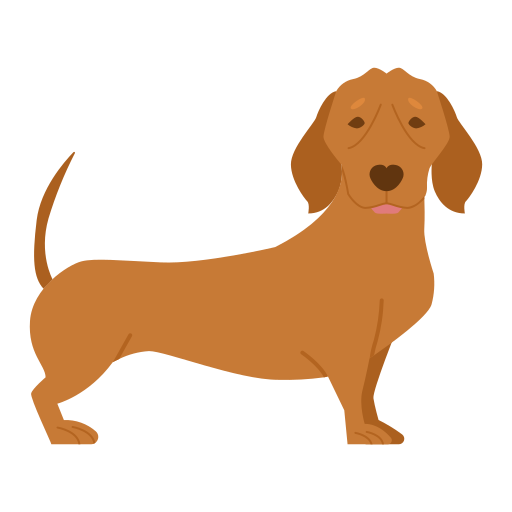
 Dachshund
 Does that faint smell drifting up from your dog’s bed mean it’s bath time again?
That question haunts dachshund owners more than almost any other, and the answer isn’t what most people expect.
Here’s the short version: probably less often than you think.
The Dachshund Skin Situation
Dachshunds carry a lot of dog in a very low package. Their bellies, chests, and armpits ride close to the ground, which means they collect dirt, pollen, and mystery smells faster than a leggier breed would.
But that low profile comes with a catch.
Their skin produces natural oils that keep the coat healthy and act as a barrier against irritation. Strip those oils away too often and you get flaky, itchy skin, which leads to scratching, which leads to more irritation. The cycle feeds itself.
Over-bathing does more damage to a dachshund than skipping a bath ever will.
So when someone asks how often to bathe a dachshund, the real answer depends on coat type, lifestyle, and whether your dog considers puddles a personal invitation.
The General Rule
For most dachshunds, once every four to six weeks works beautifully.
Some owners stretch it to eight weeks with no issues at all. Others land closer to three weeks because their dog has a talent for finding things to roll in.
Neither of those is wrong.
Coat Type Changes Everything
Dachshunds come in three coat varieties, and each one has its own relationship with water and shampoo.
Smooth Coats
Smooth dachshunds are the low maintenance crowd. Their short, sleek coats shed dirt easily and dry in a matter of minutes.
Every six to eight weeks is plenty for most smooths.
A damp washcloth handles the in between days. Wipe down the belly, the paws, and the underside of the chin, and you’ve solved ninety percent of the smell problems without touching a bottle of shampoo.
Longhaired Coats
Longhairs are a different story entirely.
That feathering on the ears, chest, legs, and tail is gorgeous, and it is also a magnet for burrs, leaves, mud, and whatever else your dog decided to walk through.
Longhaired dachshunds usually need a bath every four to six weeks, sometimes more often during muddy seasons. The bigger commitment is brushing, though. Skip brushing before a bath and you’ll turn small tangles into cemented mats that no amount of conditioner will save.
Brush first. Always brush first.
Wirehaired Coats
Wirehairs have that scruffy, weatherproof jacket with a soft undercoat underneath, and it does a surprisingly good job of repelling dirt on its own.
Six to eight weeks is a reasonable window here.
One warning: frequent bathing softens the wire texture that gives these dogs their signature look. If you’re showing your dog or you just love that bristly coat, keep baths minimal and rely on hand stripping and brushing to do the heavy lifting.
Signs Your Dachshund Actually Needs a Bath
Forget the calendar for a second. Your dog will tell you.
The smell test. Not the normal warm dog smell, which is honestly kind of lovely. We’re talking about the sharp, sour note that makes you lean back.
Visible grime. If you can see dirt in the coat or feel a greasy film when you run your hand down their back, it’s time.
Rolling in something. This one needs no explanation. You know it when it happens.
Post adventure. Beach trips, lake swims, hikes through tall grass, and any encounter with a mud puddle all earn an immediate bath regardless of when the last one was.
The best bathing schedule is the one your specific dog tells you they need, not the one you read on a chart.
Puppies Are Their Own Category
Dachshund puppies get dirty constantly, and new owners often overcorrect by bathing them weekly.
Resist that urge.
Puppy skin is thinner and more sensitive than adult skin, and their coats haven’t fully developed. Once a month is genuinely enough for a young dachshund, with spot cleaning covering everything in between.
The upside of early baths isn’t cleanliness anyway. It’s training. Getting your puppy comfortable with water, handling, and the sound of a hair dryer pays off for the next fifteen years.
Keep those first baths short, warm, and full of treats.
The Back Problem Nobody Mentions
Here’s something that gets left out of most bathing advice: dachshunds have famously fragile spines.
Intervertebral disc disease affects this breed at a much higher rate than most, and bath time creates a surprising number of opportunities for a bad twist.
Lifting a wet, squirming dog out of a slippery tub is exactly the kind of movement that causes trouble. So is letting them jump down on their own.
Put a rubber mat in the tub. Support the chest and hindquarters when you lift, keeping the spine level. Never let them leap out on their own, no matter how eager they are to escape.
A safe bath matters more than a perfect one.
Choosing the Right Shampoo
Human shampoo is off the table. Our skin sits at a different pH than a dog’s, and using our products throws off their skin barrier fast.
Look for a gentle, dog specific formula without heavy fragrance.
Oatmeal based shampoos are the reliable default for sensitive skin. If your dachshund has a diagnosed skin condition, your vet may recommend a medicated option instead, and those often come with their own frequency instructions that override the general rules.
Conditioner is optional for smooths and pretty useful for longhairs.
What To Do Between Baths
Most of dachshund grooming happens outside the tub, and this is where owners can dramatically stretch the time between full baths.
The Wipe Down
Dog safe grooming wipes or a damp cloth take about ninety seconds and handle the dirtiest zones: paws, belly, and face.
Doing this after every walk keeps your dog fresh far longer than you’d expect.
Ear Care
Those beautiful floppy ears trap moisture and warmth, which is a perfect setup for infections.
Check them weekly. Clean them with a vet approved solution when they look waxy, and dry them thoroughly after every bath and swim.
Brushing
Brushing distributes natural oils across the coat, removes loose hair, and keeps dirt from settling in.
Smooths need it once a week. Longhairs benefit from every other day, especially around the ears and behind the legs where tangles hide. Wirehairs land somewhere in the middle at two or three times a week.
The Skin Fold Check
Some dachshunds, particularly heavier ones, develop folds around the neck and chest that stay damp and trap bacteria.
Run your fingers through those areas regularly and dry them out if they feel moist.
Seasonal Shifts
Bathing frequency isn’t static across the year.
Summer usually means more baths. Swimming, dust, longer walks, and heavier shedding all contribute, and chlorine or lake water should always be rinsed off promptly.
Winter goes the other direction. Dry indoor air already pulls moisture from your dog’s skin, so stretching baths out to eight weeks or longer during cold months is often the kinder choice.
Spring brings pollen, which sticks to coats and triggers allergies. A rinse with plain water after outdoor time removes allergens without stripping oils, and it’s a trick allergy prone dachshunds benefit from enormously.
Water alone solves more problems than shampoo does.
Common Mistakes Worth Avoiding
Water that’s too hot tops the list. Lukewarm is the target, roughly what you’d use for a baby.
Rushing the rinse comes next. Leftover shampoo residue causes more itching than dirt ever did, so rinse longer than feels necessary, then rinse again.
Skipping the dry is the third one. A damp dachshund in a cool house gets cold quickly given how little body mass they have, and trapped moisture in the ears or skin folds invites infection. Towel thoroughly, then use a dryer on the lowest heat setting if your dog tolerates it.
And don’t bathe a dog who’s already scratching without figuring out why. Bathing an irritated dog with the wrong product can turn a minor issue into a genuine problem.