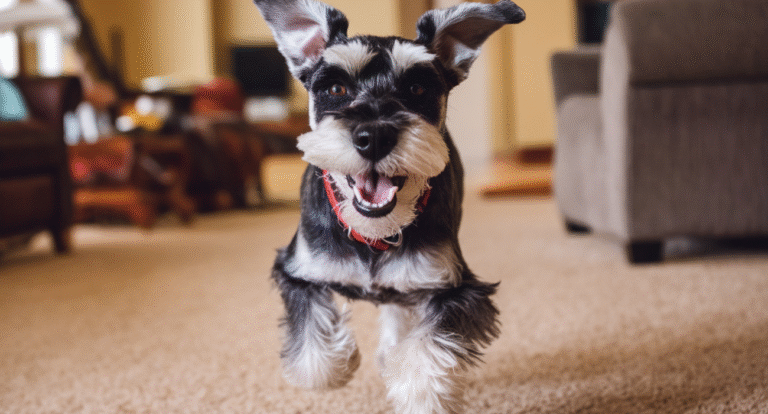
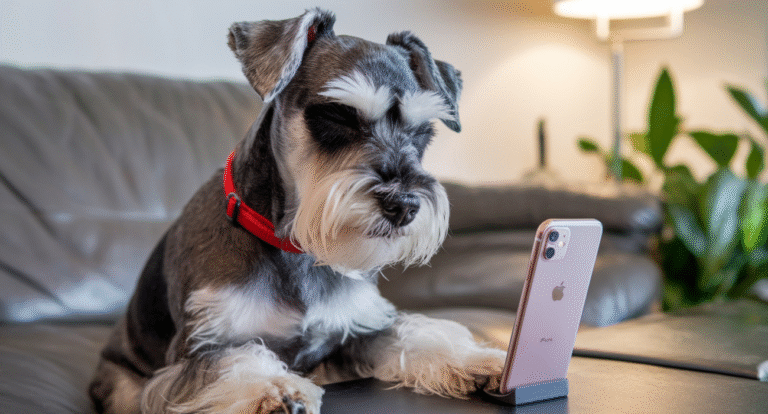
Follow the nine golden guidelines every Schnauzer owner should know. These tips ensure your dog’s happiness and well-being.
You’ve got yourself a Schnauzer, and honestly? You’re living the dream. These bearded beauties are basically walking personality tests, and if you picked one, congratulations on having excellent taste. But here’s the thing: owning a Schnauzer isn’t quite like owning any other dog. They’re smart (sometimes too smart), they’ve got opinions about everything, and that facial hair requires more maintenance than most people’s actual hair.
Whether you’ve just brought home a wrigly puppy or you’re a seasoned Schnauzer parent looking to up your game, understanding what makes these dogs tick is essential. From grooming disasters to training triumphs, we’ve compiled the ultimate guide to keeping your Schnauzer happy, healthy, and slightly less judgmental of your life choices.
1. Master the Art of Grooming (Or Prepare Your Wallet)
Let’s address the elephant in the room: that magnificent beard isn’t self-maintaining. Schnauzers have a double coat that requires serious commitment. We’re talking regular brushing (at least three times per week), professional grooming every six to eight weeks, and yes, you’ll need to learn what “hand stripping” means.
Their wiry topcoat and soft undercoat create the perfect storm for matting if you slack off. And that adorable facial furnishing? It’s a food magnet, a water sponge, and a dirt collector all in one. Invest in quality grooming tools: a slicker brush, a metal comb, and possibly a good pair of grooming scissors for touch-ups between professional visits.
Your Schnauzer’s coat is basically a full time job that doesn’t pay. Accept this truth early, and you’ll save yourself years of frustration and matted fur disasters.
Pro tip: Start grooming routines when your Schnauzer is young. A puppy who learns that brushing equals treats and praise will be infinitely easier to groom than an adult dog who’s decided grooming is basically torture.
2. Socialization Isn’t Optional, It’s Essential
Schnauzers are naturally protective. That’s code for “they will absolutely lose their minds at the doorbell if you don’t intervene early.” These dogs were bred to be watchdogs and ratters, which means they’re alert, territorial, and suspicious of strangers without proper socialization.
Start exposing your Schnauzer to different people, dogs, sounds, and environments as early as possible. Puppy classes aren’t just cute photo opportunities; they’re critical training grounds. A well-socialized Schnauzer is confident and friendly. A poorly socialized one is reactive and anxious.
Take your pup everywhere (safely, of course). Pet stores, outdoor cafes, parks, busy sidewalks – the more positive experiences they have, the better adjusted they’ll be. Just remember: every interaction should be positive. One bad experience can set back weeks of socialization work.
3. Exercise Their Bodies AND Their Brains
Here’s something people don’t realize: Schnauzers are smart. Like, uncomfortably smart. They need mental stimulation just as much as physical exercise, or they’ll find their own entertainment (and you won’t like their creative choices).
A tired Schnauzer is a good Schnauzer. But a bored Schnauzer? That’s a destructor of furniture, a digger of holes, and a creator of chaos. Mix up their routine with different activities. Take new walking routes. Introduce puzzle feeders. Teach them new tricks. Their brains are sponges; keep them soaked.
4. Set Boundaries Early (Because They Will Push Every Single One)
Schnauzers test limits like it’s their job. They’re not being malicious; they’re just naturally inclined to see what they can get away with. Cute puppy wants on the couch? Adorable! Until they’re fully grown and have decided the couch is actually their couch, and you’re just visiting.
Consistency is everything. If jumping isn’t allowed, it’s never allowed, not even when they’re being extra cute. If begging isn’t tolerated, everyone in the household needs to enforce that rule. Schnauzers are masters at finding the weak link in your family’s resolve.
Use positive reinforcement training methods. These dogs respond beautifully to praise and treats, but they’ll shut down or become stubborn with harsh corrections. They want to please you; they just need clear communication about what “pleasing you” actually looks like.
5. Embrace the Bark (But Train the Quiet)
Let’s be clear: Schnauzers bark. It’s in their DNA. They were bred to alert their humans to everything, and by everything, I mean squirrels, leaves, passing cars, suspicious air molecules, and the concept of mailmen in general.
You cannot eliminate barking entirely, but you CAN teach appropriate barking behavior. The goal isn’t silence; it’s control.
Teach a “quiet” command early. When your Schnauzer barks at something, acknowledge it (“Good watch!”), then ask for quiet. Reward silence generously. This validates their watchdog instincts while giving you a way to manage the volume.
Never yell at a barking Schnauzer. From their perspective, you’re just barking along with them, which is obviously encouraging. Stay calm, redirect, and reward the behavior you want to see more of.
6. Nutrition Matters More Than You Think
Schnauzers are prone to certain health issues, and diet plays a huge role in prevention. They can develop pancreatitis, bladder stones, and diabetes. Translation: what goes into your Schnauzer matters.
Choose high-quality dog food with appropriate protein and fat levels. Schnauzers don’t need super high-fat diets (their pancreas will thank you). Avoid overfeeding; these dogs are expert guilt trippers who will convince you they’re starving despite eating 20 minutes ago.
Watch for food allergies. Schnauzers can develop sensitivities to common ingredients like chicken, beef, or grains. If your dog is constantly itching, getting ear infections, or having digestive issues, talk to your vet about an elimination diet.
And please, please be careful with table scraps. Those soulful eyes are manipulative tools designed to extract your dinner. Fatty human foods can trigger pancreatitis in Schnauzers faster than you can say “emergency vet visit.”
7. Regular Vet Care Is Non-Negotiable
Schnauzers are generally healthy dogs, but they’re prone to specific conditions: hip dysplasia, eye problems, heart issues, and skin conditions top the list. Regular veterinary checkups catch problems early when they’re most treatable.
| Health Screening | Frequency | Why It Matters |
|---|---|---|
| General checkup | Annually (semi-annually for seniors) | Catches developing issues early |
| Eye examination | Annually | Schnauzers prone to cataracts, glaucoma |
| Dental cleaning | As recommended by vet | Prevents periodontal disease |
| Blood work | Annually after age 7 | Monitors organ function, detects diabetes |
Keep up with vaccinations, heartworm prevention, and flea/tick control. Your Schnauzer’s beard might make them look distinguished, but it doesn’t make them immune to parasites and diseases.
Pay attention to changes in behavior, appetite, or energy levels. Schnauzers are stoic; they hide pain well. You know your dog best. Trust your instincts when something feels off.
8. Dental Hygiene Is Actually Important
Schnauzers are prone to dental problems, and small breed varieties are especially susceptible to tooth decay and gum disease. That doggy breath isn’t cute; it’s a warning sign.
Brush your Schnauzer’s teeth regularly. Yes, actually brush them. Use dog-specific toothpaste (human toothpaste is toxic to dogs) and a soft brush. Start slowly if your dog isn’t used to it. Let them taste the toothpaste first, then gradually work up to full brushing sessions.
Provide dental chews and toys designed to reduce plaque buildup. These aren’t substitutes for brushing, but they help between sessions. And schedule professional dental cleanings as your vet recommends. Periodontal disease doesn’t just affect teeth; it can impact heart, liver, and kidney health.
Neglecting dental care in Schnauzers is like ignoring the check engine light in your car. Sure, everything seems fine now, but you’re setting yourself up for expensive problems later.
9. Accept That You’re Living With a Velcro Dog
Schnauzers bond intensely with their people. They’re not independent dogs who are content doing their own thing. They want to be wherever you are, doing whatever you’re doing, preferably while touching you.
This means separation anxiety can be a real issue. Start crate training early. Practice leaving for short periods and returning calmly. Don’t make a big deal about departures or arrivals. Create a safe, comfortable space where your Schnauzer can relax when you’re gone.
But also? Embrace the companionship. Schnauzers make incredible partners for people who want a constant shadow. They’re loyal, affectionate, and genuinely interested in your life. Sure, bathroom privacy becomes a memory, but you gain a friend who thinks you’re the absolute best thing that ever happened.
They’ll follow you from room to room. They’ll sigh dramatically when you leave their line of sight. They’ll rest their chin on your lap while you work. It’s simultaneously adorable and slightly suffocating. Welcome to Schnauzer ownership, where personal space is a distant memory and unconditional love is guaranteed.