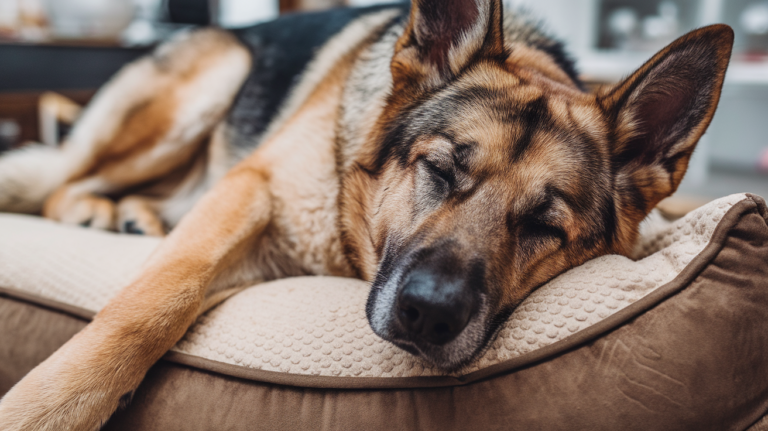
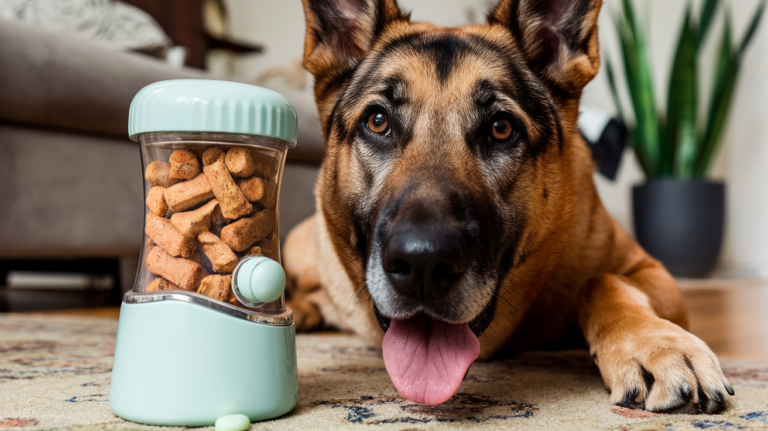
Some everyday objects can be dangerous. Discover hidden household risks that could harm your German Shepherd without you realizing it.
Your German Shepherd is basically a furry vacuum cleaner with legs, right? These magnificent dogs will investigate, sniff, and occasionally attempt to eat just about anything they encounter. While their curiosity is adorable, it can also land them in the emergency vet’s office faster than you can say “drop it!”
The truth is, your home is filled with items that seem perfectly harmless to us humans but can pose serious dangers to your four-legged family member. From the kitchen to the garage, everyday objects lurk like hidden hazards waiting to turn a normal Tuesday into a veterinary nightmare. Let’s explore the surprising culprits that could be threatening your German Shepherd’s health right now.
1. Xylitol Products (The Silent Killer in Your Pantry)
Xylitol is an artificial sweetener found in everything from sugar-free gum to peanut butter, and it’s absolutely devastating to dogs. While it’s perfectly safe for humans, even tiny amounts can cause life-threatening hypoglycemia in German Shepherds within 10 to 60 minutes of ingestion.
What makes xylitol particularly dangerous is how widespread it’s become. It’s hiding in:
- Sugar-free candies and gum
- Some brands of peanut butter
- Certain medications and supplements
- Dental care products
- Baked goods marketed as “sugar-free”
When a German Shepherd ingests xylitol, their body releases a massive surge of insulin, causing blood sugar to plummet dangerously. Higher doses can lead to liver failure. What’s terrifying is that a single piece of gum can be enough to poison a large dog.
The symptoms come on fast: vomiting, weakness, loss of coordination, and seizures. If you even suspect your German Shepherd has consumed something with xylitol, this is a “drop everything and rush to the vet” moment. Time is literally life here.
2. Grapes and Raisins (Nature’s Deceptive Toxin)
You’d think fruit would be safe, right? Wrong! Grapes and raisins are bizarrely toxic to dogs, and scientists still aren’t entirely sure why. What we do know is that they can cause sudden kidney failure in German Shepherds, and there’s no established “safe” amount.
Some dogs can eat several grapes without issue, while others experience kidney failure from just one or two. This unpredictability makes grapes and raisins particularly dangerous. You simply cannot risk it.
Watch out for these sneaky sources:
- Trail mix and granola
- Fruit salads
- Baked goods like cookies and fruitcake
- Certain cereals
- Children’s snack boxes
Symptoms might not appear immediately, sometimes taking up to 24 hours to manifest. Early signs include vomiting, diarrhea, lethargy, and decreased appetite. If left untreated, your German Shepherd could develop kidney failure within 48 to 72 hours.
3. Onions and Garlic (The Culinary Catastrophe)
Here’s where things get interesting: onions and garlic contain compounds called thiosulfates, which damage red blood cells in dogs. This leads to hemolytic anemia, where your German Shepherd’s body literally destroys its own blood cells. The worst part? This damage is cumulative.
| Food Item | Toxicity Level | Amount Dangerous for 70lb GSD |
|---|---|---|
| Onions (raw/cooked) | High | 1 medium onion |
| Garlic (fresh) | Very High | 5+ cloves |
| Garlic powder | Extremely High | 1 tablespoon |
| Chives | Moderate | Large amounts |
Small amounts over time add up, meaning your German Shepherd could be slowly poisoned by table scraps you think are harmless. That slice of pizza? Those garlic breadsticks? The beef stew seasoned with onion powder? All potential problems.
Symptoms include weakness, pale gums, orange to dark red urine, rapid breathing, and collapse. Because the damage is cumulative, you might not notice anything wrong until significant harm has occurred.
4. Chocolate (The Classic Canine Hazard)
Yes, everyone knows chocolate is bad for dogs, but do you know why or how bad? Chocolate contains theobromine and caffeine, both of which are toxic to German Shepherds. Darker chocolate is exponentially more dangerous than milk chocolate because it contains higher concentrations of these compounds.
A German Shepherd can experience serious complications from consuming just a few ounces of dark chocolate or baking chocolate. The heart and nervous system are the primary targets, leading to irregular heartbeat, tremors, seizures, and in severe cases, death.
Baker’s chocolate and cocoa powder are the most dangerous forms, followed by dark chocolate, then milk chocolate. White chocolate contains negligible theobromine but can still cause gastrointestinal upset and pancreatitis due to its high fat content.
Early warning signs include:
- Restlessness and hyperactivity
- Excessive panting
- Vomiting and diarrhea
- Increased urination
- Muscle tremors
If your German Shepherd raids your Halloween candy stash or finds your baking supplies, get to the vet immediately. Treatment is most effective when started early, ideally within two hours of ingestion.
5. Household Medications (The Medicine Cabinet Menace)
Your German Shepherd doesn’t need to raid the entire medicine cabinet to get into serious trouble. Just one or two pills of certain medications can cause severe poisoning. Common pain relievers like ibuprofen, acetaminophen, and naproxen are especially dangerous.
Ibuprofen causes kidney failure and stomach ulcers in dogs. Acetaminophen destroys red blood cells and damages the liver. Even medications prescribed for your German Shepherd can become toxic if they get into the bottle and overdose themselves.
Other dangerous medications include:
- Antidepressants
- ADHD medications
- Blood pressure pills
- Sleep aids
- Supplements (especially those with iron or vitamin D)
Never leave pills on counters, nightstands, or in easily accessible bags. If you drop a pill, find it immediately before your German Shepherd does. These dogs are scavengers by nature and will gobble up anything that falls to the floor.
6. Certain Houseplants (The Botanical Betrayers)
That beautiful houseplant collection? It might be a toxin garden for your German Shepherd. Many popular ornamental plants contain compounds that can cause everything from mild stomach upset to organ failure.
Particularly dangerous plants include:
- Lilies (extremely toxic, especially to kidneys)
- Sago palms (all parts are poisonous; seeds are worst)
- Azaleas and rhododendrons
- Tulip and daffodil bulbs
- Dieffenbachia (causes severe mouth irritation)
Sago palms deserve special mention because they’re incredibly toxic. Ingesting even a small amount can cause liver failure, and the mortality rate is high even with aggressive treatment.
The challenge with plant toxicity is that symptoms vary wildly depending on the plant species and amount consumed. Some cause immediate oral irritation, making dogs stop eating them quickly. Others taste fine but contain delayed-action toxins that damage organs over hours or days.
Before bringing any new plant into your home, check the ASPCA’s toxic plant list. Better yet, stick to pet-safe options like spider plants, Boston ferns, or African violets.
7. Cooked Bones (The Surprising Splintering Hazard)
Here’s where many well-meaning owners go wrong: giving their German Shepherd leftover bones from dinner. While raw bones can be appropriate under supervision, cooked bones are genuinely dangerous. The cooking process changes the bone structure, making them brittle and prone to splintering.
These sharp splinters can:
- Pierce the mouth, throat, or digestive tract
- Cause choking
- Create intestinal blockages
- Lead to peritonitis if they puncture the intestines
Poultry bones are particularly hazardous because they splinter into needle-like shards. But this applies to all cooked bones: beef ribs, pork chops, lamb shanks, whatever. The risk simply isn’t worth it, no matter how much your German Shepherd begs with those soulful eyes.
8. Antifreeze and Coolants (The Sweet Death)
Ethylene glycol, the main ingredient in most antifreeze products, tastes sweet to dogs. This is a catastrophic combination because German Shepherds will willingly lap it up if given the chance, and even tiny amounts cause acute kidney failure.
What makes antifreeze especially insidious is the timeline. Shortly after ingestion, dogs appear drunk: wobbly, disoriented, maybe vomiting. Then they seem to recover for several hours, lulling owners into a false sense of security. But during this “calm” period, the toxin is crystallizing in the kidneys, causing irreversible damage. By the time severe symptoms appear (12 to 24 hours later), it’s often too late.
Prevention is critical:
- Store antifreeze in secure cabinets
- Clean up spills immediately and thoroughly
- Consider switching to propylene glycol-based antifreeze (less toxic)
- Check your driveway for leaks regularly
- Keep your German Shepherd away from areas where cars are maintained
If you witness your dog drinking antifreeze or even suspect exposure, this is an absolute emergency. Treatment must begin within hours for any chance of survival.
9. Macadamia Nuts (The Mysterious Muscle Toxin)
Macadamia nuts cause a weird and specific reaction in dogs that’s still not fully understood. Unlike some toxins that affect the liver or kidneys, macadamias primarily cause neurological and muscular symptoms. Your German Shepherd might suddenly become unable to stand, experience tremors, develop a fever, or show signs of weakness in the hind legs.
The good news? Macadamia nut toxicity is rarely fatal. The bad news? It’s incredibly distressing to watch your normally robust German Shepherd suddenly unable to walk properly. Symptoms typically appear within 12 hours of ingestion and can last up to 48 hours.
Macadamia nuts hide in:
- Cookies and baked goods
- Trail mixes and snack mixes
- Certain granolas
- White chocolate macadamia nut treats
- Some salads and vegetable dishes
If your German Shepherd gets into macadamia nuts, contact your vet. While supportive care at home may be sufficient for mild cases, severe reactions require veterinary intervention for pain management and monitoring.
Creating a Safer Environment
Now that you know what to watch out for, protecting your German Shepherd becomes much easier. Keep toxic foods secured, store medications properly, research plants before bringing them home, and always supervise what goes into your dog’s mouth. Your German Shepherd depends on you to create a safe environment because, let’s face it, they’ll happily try to eat just about anything!
Remember: when in doubt, call your veterinarian or the ASPCA Animal Poison Control Center. Quick action can mean the difference between a scary moment and a genuine tragedy.