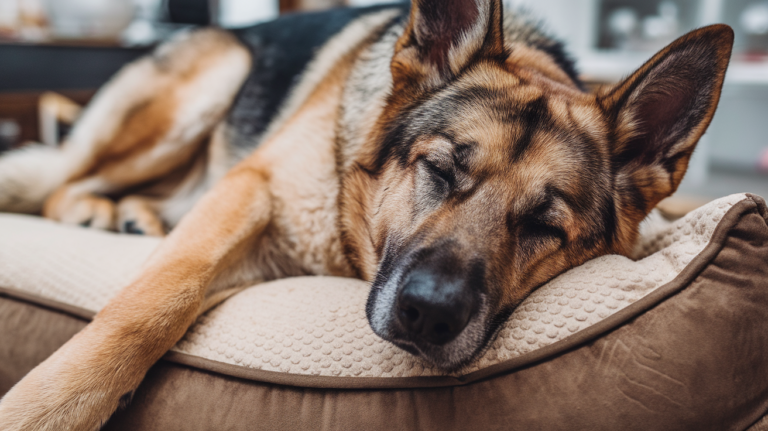
Illness often whispers before it shouts. These subtle behavior changes can signal health issues your German Shepherd hopes you’ll notice early.
German Shepherds are basically the stoics of the dog world. While your neighbor’s Chihuahua dramatically limps at the slightest paw twinge, your GSD might be dealing with genuine pain and you’d never know it. It’s both admirable and incredibly frustrating for us humans who just want to help.
The good news? Once you know what to look for, these silent clues become impossible to miss. Your dog’s body language, habits, and even the way they move through your house can tell you volumes about their health. Think of yourself as a detective, and your German Shepherd as a mystery that desperately wants to be solved.
1. Subtle Changes in Eating Patterns
A German Shepherd who refuses food entirely will set off alarm bells immediately. But what about the dog who still eats, just… differently? This is where things get sneaky.
Maybe your GSD is taking longer to finish meals, eating more slowly, or showing less enthusiasm when the food bowl comes out. Perhaps they’re chewing on one side of their mouth, dropping kibble, or leaving small amounts behind (when they normally lick the bowl clean). These microscopic shifts often signal dental problems, mouth pain, or digestive discomfort.
Pay attention to the how of eating, not just the whether. A dog in pain might still eat because hunger overrides discomfort, but their body language tells the real story.
| Normal Eating Behavior | Potential Warning Signs |
|---|---|
| Enthusiastic approach to food bowl | Hesitation or slow approach |
| Quick, efficient eating | Taking 2x longer than usual |
| Clean bowl, every time | Consistently leaving small amounts |
| Balanced chewing on both sides | Obvious favoring of one side |
| Happy tail wags during mealtime | Subdued or no tail movement |
2. The Invisible Limp
German Shepherds are prone to hip dysplasia and other joint issues, but they’re also incredibly adept at compensating. You might not see a limp, but you’ll notice something is off if you’re watching closely.
Does your dog sit more frequently on walks? Are they taking stairs more slowly or choosing to avoid them entirely? Maybe they’re lying down immediately after standing up, or they’re shifting weight from one leg to another while standing still. These are all forms of non-limping limps.
Watch for the subtle weight redistribution. A healthy German Shepherd stands square and balanced. A hurting one makes tiny adjustments constantly, trying to find comfort without making it obvious they need it. They might also start bunny hopping (using both back legs simultaneously) instead of running with their normal gait.
3. Breathing Pattern Deviations
This one requires you to know your dog’s baseline. German Shepherds naturally pant more than some breeds, especially after exercise or in warm weather. But unexplained changes in breathing deserve immediate attention.
Your dog’s respiratory rate at rest should be consistent from day to day. Any persistent change in this baseline, whether faster or slower, warrants investigation.
Is your GSD breathing faster while resting? Are they panting when they shouldn’t be? Conversely, are they breathing more shallowly than usual? Sometimes shallow breathing indicates they’re trying to minimize chest or abdominal pain. Listen for new sounds too: wheezing, crackling, or labored inhales all count as silent clues because your dog won’t complain about them verbally.
The belly test works well here. When your German Shepherd breathes, watch their abdomen. Excessive abdominal movement during breathing (instead of smooth chest expansion) can indicate respiratory distress or pain.
4. Social Withdrawal and Interaction Changes
German Shepherds are velcro dogs. They follow you from room to room, insert themselves into your activities, and generally act like your fuzzy shadow. When that changes, something’s up.
Maybe your GSD isn’t greeting you at the door anymore. Perhaps they’re choosing to lie in another room instead of at your feet. They might be tolerating petting rather than seeking it out, or showing less interest in play with other dogs. These behavioral retreats often precede obvious physical symptoms by weeks.
It’s not about your dog being “moody” or “getting older.” Dogs experiencing pain, nausea, or general malaise naturally conserve energy and limit interaction. They’re not trying to hurt your feelings; they’re trying to cope with physical discomfort using the only strategies available to them.
5. Sleep Position and Pattern Shifts
How your German Shepherd sleeps tells you plenty about how they feel. A dog in pain can’t get comfortable, and you’ll see evidence of this in their sleeping habits.
Are they changing positions more frequently than normal? Struggling to get comfortable? Choosing to sleep in new locations (maybe seeking cool tile floors if they’re running a fever, or avoiding stairs that lead to their usual sleeping spot)? Some dogs with abdominal pain refuse to lie down fully and will sit or stand while dozing.
Also watch for increased sleep. Yes, German Shepherds need their rest, but a noticeable uptick in sleeping hours or lethargy suggests something’s draining their energy. Pain is exhausting. Illness is exhausting. And dogs deal with exhaustion by sleeping more than usual.
6. Grooming Behavior Anomalies
German Shepherds are moderate self groomers under normal circumstances. Dramatic changes in this department are worth investigating.
Excessive licking of a specific area often indicates localized pain, allergies, or skin issues. Your dog might be trying to soothe a sore joint, wound, or irritated patch of skin. Conversely, a decrease in grooming (appearing more disheveled, matted, or dirty than usual) suggests your GSD doesn’t feel well enough to maintain their hygiene.
When a normally fastidious German Shepherd stops caring for their coat, they’re telling you that something else has become a higher priority, usually because they’re allocating all their energy toward managing discomfort.
Check their coat regularly. New hot spots, thinning patches, or areas they won’t let you touch all qualify as silent distress signals.
7. Eye Expression and Alertness Levels
The eyes really are windows to your German Shepherd’s soul, and to their health status. Dull, glazed, or “faraway” eyes in a normally bright eyed dog indicate something’s wrong.
Is your GSD’s usual alert, intelligent expression replaced by something more vacant? Are they slower to track movement or respond to visual cues? Sometimes you’ll notice they’re squinting more (indicating pain elsewhere in the body, not just eye problems), or their eyes look tired even after adequate rest.
Pupil size matters too. While this changes with lighting, consistently dilated or constricted pupils outside of environmental factors can signal neurological issues, pain, or other systemic problems. And if your dog is staring at walls or into space more than usual, that’s definitely worth mentioning to your vet.
8. Bathroom Habit Modifications
Your German Shepherd’s elimination routine is probably predictable. They go out at certain times, assume certain positions, take a certain amount of time. When any piece of this routine changes, take note.
Straining during urination or defecation is an obvious red flag, but what about more subtle changes? Maybe your dog is urinating more frequently but in smaller amounts. Perhaps they’re taking longer to “find the right spot” (which can indicate abdominal discomfort). Some dogs will circle excessively before eliminating when something hurts.
Position changes matter enormously. A male dog who suddenly squats to urinate instead of lifting his leg might have joint pain making the leg lift difficult. A dog who poops while walking instead of holding a stationary squat could be experiencing weakness or balance issues.
The color, consistency, and frequency of your dog’s waste also counts. While we’re focusing on silent clues rather than obvious symptoms, it’s worth remembering that your German Shepherd can’t tell you their stool has been softer lately or their urine looks darker. You have to notice these things yourself.
Remember: German Shepherds are working dogs bred to push through discomfort and keep going. This makes them incredibly loyal and tough, but it also means they need observant humans who can read between the lines. Trust your gut. If something feels off, it probably is. A quick vet visit for a false alarm is infinitely better than catching a real problem too late. Your GSD is counting on you to be their voice when they’re being too stoic for their own good.