Happiness leaves clues. These clear signs reveal whether your German Shepherd is truly thriving or quietly needing more from you.
Most German Shepherd owners are absolutely obsessed with their dogs’ wellbeing. You’ve probably Googled “is my dog happy” at least once (or fifty times), analyzing every tail movement and ear twitch like you’re decoding ancient hieroglyphics. The good news? You’re not alone in this adorable paranoia.
German Shepherds wear their hearts on their furry sleeves, but their happiness language requires a bit of translation. These majestic creatures descended from working dogs bred for intelligence and loyalty, which means their emotional expressions are nuanced and sometimes downright puzzling. Whether you’re a new GSD parent or a seasoned shepherd enthusiast, recognizing the genuine signs of canine happiness will deepen your bond and help you create an environment where your four-legged family member can truly thrive.
1. The Wiggle Butt Phenomenon Is Real and Glorious
You know the move: your German Shepherd’s entire back end starts swaying with such enthusiasm that it looks like they might topple over. This isn’t just any tail wag; this is a full body expression of joy that German Shepherd owners affectionately call the “wiggle butt.” When your GSD greets you with this signature move, you’re witnessing pure happiness in motion.
The wiggle butt typically appears during greetings, playtime, or when something exciting is about to happen (like hearing the magic word “walk”). Unlike a stiff or low tail wag that might indicate uncertainty or submission, the wiggle butt involves a loose, sweeping tail motion that brings the entire rear end into the celebration. If your German Shepherd regularly busts out this move, congratulations! You’ve got one content canine on your hands.
Watch for the context, though. A happy wiggle butt comes with a relaxed body posture, soft eyes, and often an open mouth that looks remarkably like a smile. It’s the canine equivalent of doing a happy dance, and it’s one of the most reliable indicators that your GSD is living their best life.
2. Those Ears Tell an Entire Story
German Shepherd ears are basically emotional antennae, and learning to read them unlocks a whole new level of understanding your dog’s inner world. Happy GSDs typically hold their ears in a natural, relaxed position: alert but not rigid, forward but not strained. When your shepherd is content, their ears might swivel gently to track interesting sounds without that tense, hypervigilant quality that suggests stress.
Here’s what genuinely happy ear language looks like:
| Ear Position | What It Means | Context |
|---|---|---|
| Softly forward, slightly to the side | Relaxed contentment | Hanging out at home, peaceful moments |
| Perked and mobile | Engaged happiness | Playing, exploring, interested in surroundings |
| One up, one relaxed | Casual monitoring | Content but keeping tabs on environment |
| Flat against head (with loose body) | Submissive happiness | Greeting favorite humans, during gentle petting |
The key difference between happy ears and stressed ears lies in the tension. Anxious or unhappy German Shepherds pin their ears back with visible muscle tension in their face and neck. Happy shepherds? Their ears move fluidly and naturally, reflecting curiosity and engagement rather than fear or aggression.
3. The Zoomies Are Pure Canine Joy Distilled
If you’ve ever witnessed your German Shepherd suddenly tear through the house or yard at breakneck speed, spinning in circles and bouncing off furniture like they’ve lost their mind, you’ve experienced the zoomies. Scientifically known as FRAPs (Frenetic Random Activity Periods), these explosive bursts of energy are absolutely a sign of a happy dog.
When your German Shepherd spontaneously launches into a sprint session complete with play bows and aerial spins, they’re releasing excess energy and expressing sheer joy. This behavior is your dog’s way of celebrating life itself.
The zoomies typically last anywhere from 30 seconds to a few minutes and often occur after baths, during cool weather, or when your GSD is particularly excited or relieved (yes, post-poop zoomies are definitely a thing). While all dogs can get the zoomies, German Shepherds tend to make them especially dramatic thanks to their size, athleticism, and natural intensity.
A happy shepherd who regularly experiences zoomies is a dog with appropriate energy outlets, mental stimulation, and emotional wellbeing. If your GSD never gets the zoomies, it might be worth evaluating whether they’re getting enough exercise, play, and mental challenges throughout the day.
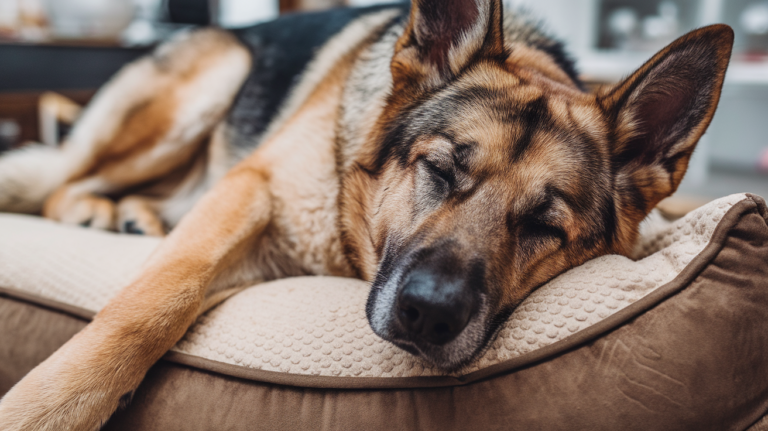
4. Sleep Positions Reveal Everything
Where and how your German Shepherd sleeps provides incredible insight into their happiness and security levels. Truly content GSDs adopt vulnerable sleeping positions that demonstrate complete trust in their environment and their humans. The most telling happy sleep positions include the “superman” (flat on the belly with legs extended), the “side sleeper” (completely sprawled on their side), and the coveted “belly up” position.
When your German Shepherd sleeps on their back with legs in the air and belly exposed, you’re looking at maximum happiness and security. This position is incredibly vulnerable in the animal kingdom, and dogs only adopt it when they feel completely safe and utterly relaxed. It’s also the best position for cooling down, so summer belly-up naps are particularly common.
Pay attention to where your GSD chooses to sleep, too. A happy German Shepherd might sleep near you (demonstrating their bond) but doesn’t necessarily need to be touching you constantly (showing independence and security). If your shepherd regularly seeks out comfortable spots, stretches out fully, and sleeps deeply with occasional dream twitches and quiet woofs, they’re displaying classic signs of contentment.
5. A Healthy Appetite Is a Happy Appetite
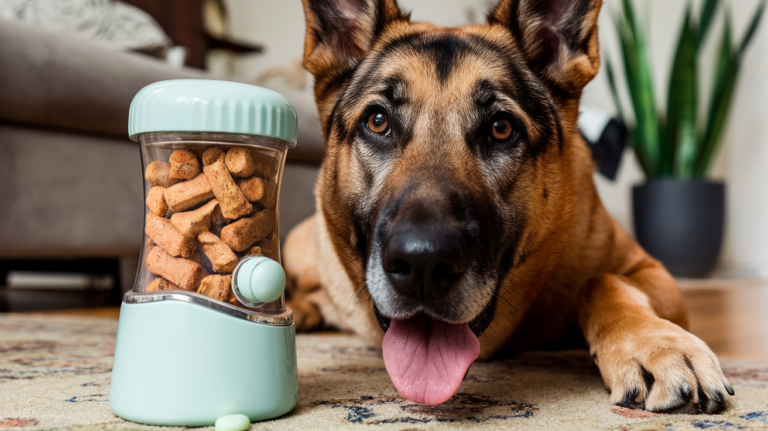
German Shepherds are typically enthusiastic eaters, and a consistent, healthy appetite is a reliable happiness indicator. Happy dogs approach mealtimes with excitement but not desperation, eat at a steady pace, and show interest in treats and food rewards during training sessions. If your GSD maintains this positive relationship with food, it’s a strong sign of emotional wellbeing.
Conversely, significant changes in appetite often signal stress, illness, or unhappiness. A suddenly picky German Shepherd or one who loses interest in previously loved treats might be experiencing emotional distress. Of course, appetite changes can also indicate medical issues, so any persistent changes warrant a veterinary visit.
A truly happy German Shepherd doesn’t just eat; they approach meals with enthusiasm, maintain healthy body condition, and show genuine interest in food without obsessive or anxious behaviors around feeding time.
Watch for the quality of eating behavior, not just quantity. Happy dogs eat in a relaxed manner, might carry toys around after meals, and return to their normal activities without lingering around the food bowl anxiously. They’re satisfied but not fixated, engaged but not desperate.
6. Play Behavior Shows Emotional Health
Play is serious business when it comes to assessing canine happiness. German Shepherds who regularly initiate play, whether with humans, other dogs, or even by themselves with toys, are demonstrating emotional health and contentment. The famous “play bow” (front end down, rear in the air, tail wagging) is your GSD’s way of saying, “Life is good, and I want to have fun!”
Happy German Shepherds engage in what’s called “self-handicapping” during play, especially with smaller dogs or puppies. They’ll intentionally play more gently, roll over to make themselves vulnerable, and adjust their energy level to match their play partner. This sophisticated social behavior indicates emotional intelligence and security.
Solo play is equally important. A happy GSD might grab a toy and toss it around, pounce on it, or carry it around the house like a trophy. They might even initiate play with inanimate objects, treating a cardboard box or a pile of leaves like the most exciting thing ever. This spontaneous playfulness reflects a dog who feels secure enough to be silly and creative.
7. Body Language Speaks Volumes
Beyond specific behaviors, overall body language provides a comprehensive picture of your German Shepherd’s happiness. Content GSDs move through the world with what behaviorists call a “loose” body: muscles relaxed, movements fluid, posture open and approachable. Their weight is evenly distributed rather than shifted backward (indicating fear) or rigidly forward (suggesting tension or aggression).
Happy facial expressions in German Shepherds include soft, slightly squinted eyes (sometimes called “soft eyes” or “smiling eyes”), a relaxed jaw, and that open-mouthed pant that looks remarkably like a human grin. The mouth shouldn’t be tightly closed or show tension around the muzzle. Some German Shepherds even wrinkle their noses in what looks like a genuine smile when they’re particularly happy.
Watch how your GSD carries themselves throughout the day. Happy shepherds move with purpose but without anxiety, explore their environment with curiosity, and maintain an overall demeanor of calm confidence. They’re neither hypervigilant nor lethargic, but rather engaged and content with their surroundings.
8. The Seek and Snuggle Balance
Here’s a nuanced happiness indicator: a truly content German Shepherd seeks out your company but doesn’t display separation anxiety or clingy behavior. They want to be near you because they enjoy your presence, not because they’re anxious without you. This balanced attachment style is gold standard happiness.
Happy German Shepherds often follow their humans from room to room (the famous “Velcro dog” tendency), but they do so calmly and can settle down once they’ve confirmed your location. They might rest with their head on your foot, lean against your leg during movie time, or simply lie nearby where they can keep an eye on you. This “checking in” behavior demonstrates secure attachment and contentment.
The snuggle factor varies by individual personality, but most happy GSDs show physical affection in some form. They might not be lap dogs (though some certainly try!), but they’ll offer gentle head bumps, lean their considerable weight against you, or rest their chin on your knee. These voluntary displays of affection, given freely without anxiety or demand, are beautiful expressions of a happy, bonded dog.
Understanding the difference between healthy attachment and anxiety-driven clinginess is crucial: happy dogs can be alone for appropriate periods without distress, show excitement (not panic) when you return, and demonstrate independence during daily activities while still maintaining that special bond. If your German Shepherd embodies this balance, you’re doing something very right.