Extra weight sneaks up fast. Learn the warning signs, why they matter, and simple solutions to get your German Shepherd back on track.
A slightly pudgy German Shepherd might look adorable waddling around the house. But underneath that fluffy exterior, those extra pounds are silently wreaking havoc on joints, organs, and overall quality of life. German Shepherds are working dogs bred for agility and endurance, not for carrying excess baggage around their midsection.
Veterinarians across the country are sounding the alarm about canine obesity, and German Shepherds aren’t immune to this growing epidemic. In fact, their love of food combined with their tendency toward hip problems makes weight management absolutely critical for this breed. Spotting the warning signs early can add years to your dog’s life.
1. The Disappearing Waistline
Stand above your German Shepherd and look straight down. Can you see a defined waist tucking in behind their rib cage? If your dog’s silhouette looks like a furry sausage with no discernible curves, that’s your first major red flag.
A healthy German Shepherd should have an obvious hourglass figure when viewed from above. The area just behind the ribs should narrow noticeably before widening again at the hips. If this waistline has vanished or become barely visible, your dog is carrying too much weight.
The waistline test takes five seconds but reveals volumes about your dog’s health status. No waistline visible? Time to take action.
From the side, you should also notice an abdominal tuck. The belly should slope upward from the chest toward the hind legs, not hang down or remain level. German Shepherds with excess weight often develop a sagging belly that swings when they walk.
Solution: Start by cutting treats by 50% immediately. Replace high-calorie training treats with small pieces of carrot or green beans. Measure your dog’s food precisely using a measuring cup rather than eyeballing portions. Many owners accidentally overfeed by 20-30% simply by being generous with scooping.
2. The Rib Cage Check Fails
Here’s the gold standard test: run your hands along your German Shepherd’s sides. You should be able to feel their ribs easily with light pressure, similar to feeling the bones on the back of your hand. The ribs shouldn’t be visible (that indicates being underweight), but they should be palpable without pressing hard.
If you have to push and search to find your dog’s ribs beneath a layer of padding, your German Shepherd is overweight. This excess fat doesn’t just sit there looking cute; it strains the heart, overworks the liver, and makes breathing harder.
| Body Condition | Rib Test Result | Action Needed |
|---|---|---|
| Ideal Weight | Ribs easily felt with light touch | Maintain current diet and exercise |
| Overweight | Ribs difficult to feel; requires pressure | Reduce calories by 10-15%; increase exercise |
| Obese | Cannot feel ribs even with firm pressure | Veterinary consultation; 20-30% calorie reduction |
Solution: Switch to a weight management formula dog food designed specifically for large breeds. These formulas contain fewer calories per cup while maintaining protein levels to preserve muscle mass. Introduce the new food gradually over 7-10 days to avoid digestive upset. Add a second daily walk, even if it’s just 15 minutes around the block.
3. Decreased Energy and Enthusiasm
Remember when your German Shepherd would go bonkers at the sight of their leash? If they’ve started showing less enthusiasm for walks, playing fetch for shorter periods, or choosing their bed over backyard adventures, excess weight might be sapping their energy.
German Shepherds are energetic by nature. They’re bred to work all day herding sheep across mountains. A healthy adult German Shepherd should be ready and willing to exercise for at least an hour daily. When weight gain occurs, dogs become lethargic because their bodies are working overtime just to move around.
Watch for subtle changes: taking longer to stand up, hesitating before jumping into the car, or stopping to rest during previously easy walks. These aren’t necessarily signs of aging; they might indicate your dog is carrying too much weight for their frame to handle comfortably.
Solution: Create an exercise schedule and stick to it religiously. Start with shorter, more frequent walks rather than one long exhausting trek. Swimming is fantastic for overweight German Shepherds because water supports their weight while providing excellent cardiovascular exercise. Many areas have dog pools or hydrotherapy centers. Even playing in a kiddie pool counts!
4. Breathing Heavily at Rest
Your German Shepherd just walked from the living room to the kitchen, and they’re panting like they ran a marathon. That’s not normal. Healthy dogs at a proper weight shouldn’t be winded from normal household activities or short walks around the neighborhood.
Excess weight compresses the lungs and makes the heart work harder to pump blood through additional tissue. You might notice heavier panting, especially in warm weather, or even wheezing sounds during light activity. Some overweight German Shepherds develop exercise intolerance, refusing to continue on walks because they genuinely can’t catch their breath.
If your dog is breathing heavily while doing absolutely nothing, the extra weight is already impacting their cardiovascular system. This requires immediate attention.
Solution: Make an appointment with your veterinarian before starting any weight loss program. They can rule out underlying health issues that might be contributing to both weight gain and breathing difficulties. Your vet can also calculate your dog’s ideal weight and create a customized weight loss plan. Never put a dog on a crash diet; rapid weight loss can cause serious health problems.
5. Fat Pads and Deposits in Strange Places
German Shepherds tend to accumulate fat in specific areas when they’re overweight. Look for fatty deposits at the base of the tail (it should be sleek, not surrounded by rolls), along the spine, and around the neck. These fat pads feel squishy and jiggle when your dog moves.
Check your dog’s chest between their front legs. There should be a firm, flat area. If you notice hanging fat or a protruding pouch in this location, your German Shepherd is carrying excess weight. Similarly, check the area above the hips; fat accumulation here creates lumpy, uneven surfaces instead of smooth, muscular contours.
Solution: Increase protein intake while decreasing overall calories. High protein helps maintain muscle mass during weight loss, which keeps metabolism higher. Look for foods where real meat (chicken, beef, fish) is the first ingredient. Add low-calorie, high-fiber vegetables to meals to help your dog feel full. Green beans, carrots, and pumpkin (not pie filling!) work beautifully.
6. Difficulty With Grooming and Scratching
German Shepherds are flexible creatures who should easily reach around to scratch, lick, or bite at itchy spots. If your dog struggles to reach their hindquarters for grooming or can’t quite get that spot behind their ear anymore, excess weight might be restricting their movement.
Watch for behavioral changes too. Does your German Shepherd ask for help more often, maybe bringing their rear end toward you for scratching? Do they struggle to clean themselves after using the bathroom? These dignity-robbing situations stem directly from carrying too much weight.
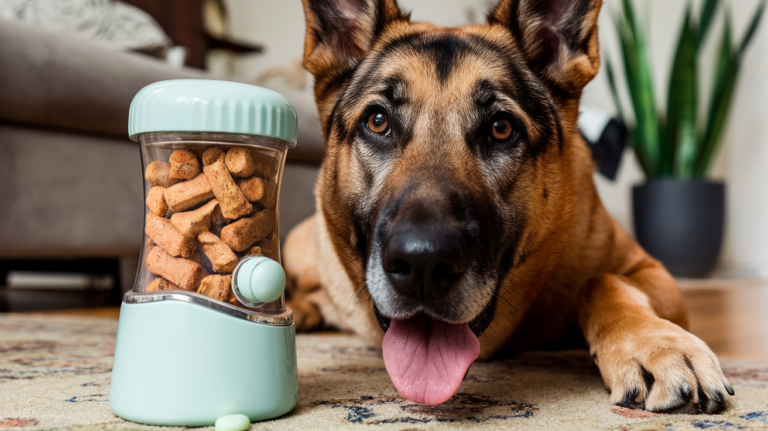
Solution: Consider puzzle feeders and slow-feed bowls. These make mealtime last longer, helping your dog feel more satisfied with less food. Puzzle feeders also provide mental stimulation, which can reduce boredom eating. Hide small portions of their daily food allowance around the house or yard for them to find. This turns feeding into an activity that burns calories rather than a 30-second inhaling session.
7. The Collar Keeps Getting Tighter
You find yourself moving to the next hole on your German Shepherd’s collar, then the next one, and suddenly you’re at the last adjustment. That’s not your dog growing; that’s weight gain creating a thicker neck. Some owners don’t notice this gradual change because they adjust the collar incrementally over months.
Take the collar off and look at your dog’s neck. You should see some definition between the head and shoulders, not a continuous tube of flesh. Press gently on the sides of the neck; you should feel muscle, not squishy fat deposits.
Solution: Eliminate all table scraps immediately. That bite of steak, the leftover scrambled eggs, the pizza crust that “has no calories because it’s just bread”… these extras add up shockingly fast. A single slice of cheese can contain 10% of a German Shepherd’s daily caloric needs. Track every single thing that goes into your dog’s mouth for one week. You’ll probably be shocked by how much unintentional overfeeding occurs.
8. Joint Stiffness and Limping
German Shepherds are already predisposed to hip dysplasia and arthritis. Extra weight accelerates these problems dramatically. Each pound of excess weight puts four pounds of additional pressure on joints. For a 20-pound overweight German Shepherd, that’s 80 extra pounds of force on already vulnerable hips and elbows.
Watch how your dog moves. Do they favor certain legs? Take longer to “warm up” after resting? Show reluctance to climb stairs or jump? These might seem like normal aging signs, but in many cases, weight loss alone can restore mobility and comfort.
Joint damage from excess weight is often irreversible, but the pain and inflammation can be significantly reduced through weight management. Starting today matters.
Solution: Incorporate joint supplements like glucosamine and chondroitin while working on weight loss. Ask your vet about anti-inflammatory medications if needed. Replace high-impact exercise (running on pavement) with gentler activities like walking on grass or sand. Weight loss itself is the most powerful intervention for joint health; even a 5-10% reduction in body weight can dramatically improve mobility and reduce pain.
The Bottom Line on Weight Management
Managing your German Shepherd’s weight isn’t about aesthetics or fitting some arbitrary breed standard. It’s about giving your loyal companion the best possible quality of life. Dogs at a healthy weight live an average of 2.5 years longer than overweight dogs. Those years matter. They’re filled with hikes, playtime, and moments of connection.
Start small. Don’t try to overhaul everything overnight. Pick two or three solutions from this article and implement them consistently. Weigh your dog monthly (many vet offices let you use their scale for free) and track progress. Celebrate every pound lost because each one represents reduced strain on your dog’s heart, joints, and organs.
Your German Shepherd depends on you to make healthy choices on their behalf. They’ll happily eat themselves into obesity if given the chance because that’s how their brains are wired. Being a responsible owner sometimes means saying no to those pleading eyes and yes to long-term health.