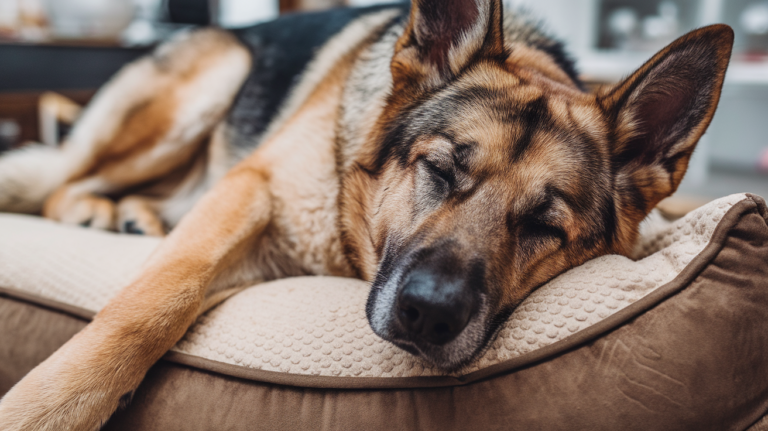
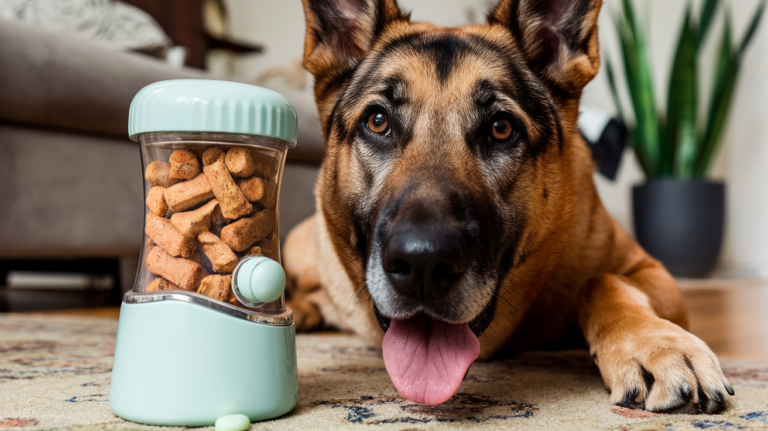
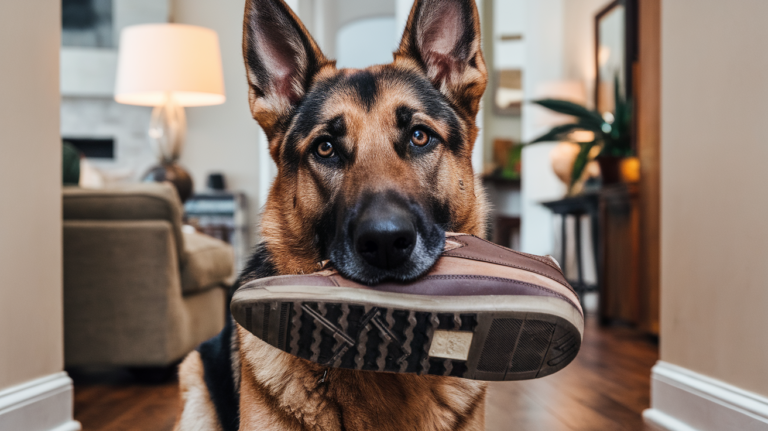
Gentle with kids, loyal to family. These reasons show why German Shepherds fit so beautifully into family life.
You know that feeling when you meet a dog and instantly think, “Yep, this is it. This is THE dog”? That’s what happens when most families encounter their first German Shepherd. These magnificent creatures have a way of strutting into your life with their pointed ears, intelligent eyes, and noble bearing, then completely stealing your heart before you even realize what’s happening.
But here’s the thing: German Shepherds aren’t just pretty faces with impressive resumes as police dogs and movie stars. They’re also phenomenal family companions who bring loyalty, protection, and surprising amounts of goofiness into your home. Let’s explore why these majestic pups might just be the perfect addition to your family.
1. Intelligence That’ll Blow Your Mind
German Shepherds consistently rank as the third smartest dog breed in the world, right behind Border Collies and Poodles. But here’s what that actually means for your family: these dogs learn faster, remember longer, and problem solve better than most other breeds you’ll encounter.
Training a German Shepherd is less like teaching a pet and more like mentoring an incredibly eager student. They typically grasp new commands within five repetitions or fewer. Yes, you read that right. While other dogs might need dozens of practice sessions to master “sit,” your German Shepherd is already moving on to more complex tricks like opening doors (which, fair warning, can become a delightful problem).
This isn’t just intelligence for show. It’s practical, everyday brilliance that makes living with a German Shepherd easier, more rewarding, and infinitely more entertaining.
This intelligence translates beautifully into family life. German Shepherds can distinguish between normal visitor behavior and actual threats. They understand household routines and adapt to them. Many families report their German Shepherds learning which days are school days versus weekends, or figuring out that the jingle of car keys means someone’s leaving.
The Training Sweet Spot
| Age Range | Training Focus | Expected Results |
|---|---|---|
| 8-16 weeks | Basic commands, socialization, house training | Quick learning, eager to please, foundation building |
| 4-6 months | Advanced commands, leash training, impulse control | Rapid skill acquisition, testing boundaries |
| 6-12 months | Refinement, consistency, real-world application | Reliable obedience, maturing judgment |
| 1-2 years | Specialized training, complex tasks | Exceptional performance, deep bonding |
2. Loyalty That Runs Soul Deep
If you’ve ever wondered what unconditional devotion looks like, get a German Shepherd. These dogs don’t just love their families; they’re completely and utterly devoted to them. This isn’t the casual affection of a dog who’s happy to see anyone with treats. This is ride or die loyalty.
German Shepherds bond intensely with their families, often forming especially strong connections with children in the household. They seem to recognize that kids need extra watching, extra patience, and extra protection. Stories abound of German Shepherds refusing to leave sick children’s bedsides, alerting parents to babies in distress, or positioning themselves between children and perceived dangers.
This loyalty manifests in countless everyday moments too. Your German Shepherd will follow you from room to room, not because they’re needy, but because being near you is their favorite place to be. They’ll wait by the door when you’re gone, celebrate your return like you’ve been away for years (even if it’s been twenty minutes), and constantly check in to make sure all family members are accounted for.
3. Natural Protectors Without the Aggression
Here’s something crucial to understand: protection doesn’t equal aggression. German Shepherds are naturally protective, yes, but well-bred, properly socialized German Shepherds are not aggressive. There’s a massive difference.
A German Shepherd’s protective instinct is more like having a highly intelligent security system that can distinguish between the mail carrier doing their job and someone with ill intent. They’re watchful, alert, and yes, intimidating to anyone who might mean harm, but they’re not running around looking for fights.
Protection is about creating a safe space for those they love. It’s vigilance with a purpose, awareness with restraint, and strength tempered by judgment.
For families, this means you get a dog who’ll bark to alert you about unusual activity but won’t terrorize every squirrel in the neighborhood. They’ll position themselves between your children and strangers until they determine the stranger is friendly. They’ll patrol your yard and keep an eye on things, but they’ll also know that the neighbor kid coming over to play is totally fine.
This balanced temperament requires proper socialization from puppyhood, though. Expose your German Shepherd to various people, places, and situations early on, and you’ll develop a dog who’s confident, discerning, and appropriately protective rather than fearful or overly aggressive.
4. Energy Levels Perfect for Active Families
Let’s be real: German Shepherds are not couch potatoes. If your idea of exercise is walking to the mailbox twice a week, this probably isn’t your breed. But if your family loves hiking, jogging, playing in the yard, or being generally active, German Shepherds are absolute dream companions.
These dogs need substantial daily exercise, typically around 1-2 hours of physical activity. But here’s the beautiful part: this requirement often motivates families to be healthier and more active themselves. Suddenly, evening walks become treasured family time. Weekend hikes become adventures. Playing fetch in the backyard becomes genuine fun rather than a chore.
German Shepherds excel at almost any activity you can imagine:
- Hiking and trail running: Their endurance is remarkable
- Swimming: Many love water despite stereotypes
- Agility courses: Their athleticism and intelligence shine
- Fetch and frisbee: Classic fun that never gets old
- Jogging partners: They’ll match your pace perfectly
The exercise needs also scale reasonably well with age. Puppies need shorter, more frequent play sessions. Adult dogs thrive on longer, more intense activities. Senior German Shepherds often still enjoy walks and gentle play, just at a slower pace.
5. Surprisingly Gentle with Children
This might surprise people who only know German Shepherds from their tough working dog reputation, but these animals are remarkably gentle and patient with kids. There’s something almost magical about watching a 90-pound German Shepherd carefully navigate around a toddler or tolerate a preschooler’s enthusiastic “petting” (read: enthusiastic patting).
German Shepherds seem to inherently understand that children are precious and require special care. They adjust their play style, becoming gentler and more careful. They’ll let kids climb on them, dress them up (within reason), and involve them in games, all while maintaining a watchful, protective attitude.
Age-Appropriate Interactions
| Child’s Age | German Shepherd Behavior | Supervision Needed |
|---|---|---|
| Infants/Toddlers (0-3) | Extremely gentle, watchful, protective | Constant, close supervision |
| Preschool (3-5) | Patient with learning boundaries, playful | Close supervision during interactions |
| School Age (6-12) | Active playmate, responsive to commands from child | Moderate supervision initially |
| Teens (13+) | Full companion, training partner | Minimal supervision |
Of course, any dog and child interaction requires supervision and teaching children proper dog etiquette. But German Shepherds’ combination of patience, gentleness, and protective instinct makes them particularly well suited for family life.
6. Adaptability to Your Family’s Lifestyle
One of the most underrated qualities of German Shepherds is their remarkable adaptability. Whether you live in a house with a big backyard or a smaller home with nearby parks, whether you’re outdoorsy adventurers or prefer structured routines, German Shepherds can adjust.
They’re equally happy being adventure buddies on a weekend camping trip or settling into quiet evenings at home. They can learn to respect work-from-home boundaries (mostly) while still being attentive companions. They adapt to different family members’ energy levels, playing energetically with the teenagers and being calmer with elderly relatives.
This adaptability extends to changes in routine too. Moving to a new house? Your German Shepherd will adjust once they know their family is there. New baby joining the household? With proper introduction, your German Shepherd often becomes the baby’s devoted guardian. Kids heading off to college? Your German Shepherd will shift their focus and remain engaged with whoever’s home.
Adaptability doesn’t mean they don’t have needs; it means they’re flexible about how those needs are met, making them easier to integrate into diverse family lifestyles.
7. Trainability That Makes Life Easier
Remember that intelligence we talked about earlier? Combined with their eagerness to please, it creates a dog that’s a genuine joy to train. German Shepherds want to work with you, to learn, to perform tasks correctly. This makes everything from basic house training to advanced commands remarkably achievable.
For families, this trainability is pure gold. It means you can teach your German Shepherd:
- Not to jump on guests (even when excited)
- To wait patiently at doors and gates
- To walk nicely on a leash even when squirrels appear
- To respond to commands from all family members
- To perform helpful tasks like fetching items or closing doors
Many families involve children in training their German Shepherd, which becomes a wonderful learning experience for both the kids and the dog. Children learn responsibility, patience, and clear communication. The dog learns to respect and respond to younger family members.
Training also provides crucial mental stimulation for these intelligent dogs. A German Shepherd who’s regularly learning new things or practicing skills is typically a happier, better-behaved dog than one who’s bored.
8. Long Lifespan Means Growing Up Together
German Shepherds typically live 9-13 years, which is substantial for a larger breed. This lifespan means they become woven into the fabric of your family’s story. They’re there for first days of school, birthday parties, family vacations, graduations, and countless everyday moments that make up a childhood.
There’s something incredibly special about a dog who grows alongside your children. The German Shepherd puppy who arrives when your kids are young becomes their companion through elementary school, middle school, and into their teenage years. They’re in countless family photos, part of every major memory, and often become the subject of those “remember when” stories families tell for years.
The Health Investment
| Health Priority | Why It Matters | Family Benefit |
|---|---|---|
| Regular vet checkups | Early detection of issues | Longer, healthier life with your family |
| Quality nutrition | Prevents obesity, supports joints | More active years, lower medical costs |
| Exercise routine | Maintains physical and mental health | Energetic companion for longer |
| Dental care | Prevents infections, organ damage | Overall better health, fewer problems |
This longevity also means your investment of time, training, and love pays dividends for over a decade. You’re not just getting a pet for a few years; you’re welcoming a family member who’ll be part of your life’s most important chapter.
The bond that forms over 10+ years is profound. Your German Shepherd knows your routines, your moods, your family’s dynamics. They become intuitive to your needs, responsive to subtle cues, and irreplaceable in your daily life.
Choosing a German Shepherd means choosing a decade or more of loyalty, protection, companionship, and love wrapped in fur.