Banish those stubborn tear stains for good with simple, effective remedies. Your Schnauzer’s eyes will look bright, clear, and picture-perfect.
Those rusty brown streaks running down your Schnauzer’s adorable face aren’t just cosmetic annoyances. They’re tiny rivers of frustration for every owner who’s tried everything from fancy wipes to DIY remedies found on page 47 of a dog forum from 2009. Your fluffy friend looks like they’ve been crying tears of rust, and you’ve probably spent more money on miracle solutions than you’d care to admit.
But here’s the thing: tear stains don’t have to be permanent fixtures on your pup’s face. Understanding why they happen is half the battle, and the other half? Well, that’s where the real solutions come in. Get ready to say goodbye to those stubborn stains for good.
Why Schnauzers Get Tear Stains
Let’s start with the science, because knowing your enemy is the first step to defeating it. Tear stains happen when excessive tears spill over onto your dog’s fur. These tears contain porphyrins, which are naturally occurring molecules that contain iron. When porphyrins are exposed to sunlight, they oxidize and turn that distinctive reddish brown color. It’s basically rust, but on your dog’s face.
Schnauzers are especially susceptible for several reasons. Their eye shape and the structure of their tear ducts mean tears don’t always drain properly through the nasolacrimal ducts (fancy term for the drainage system that normally routes tears into the nose and throat). Add in their lighter colored coats, particularly in salt and pepper or white Schnauzers, and those stains become glaringly obvious.
The Hair Factor
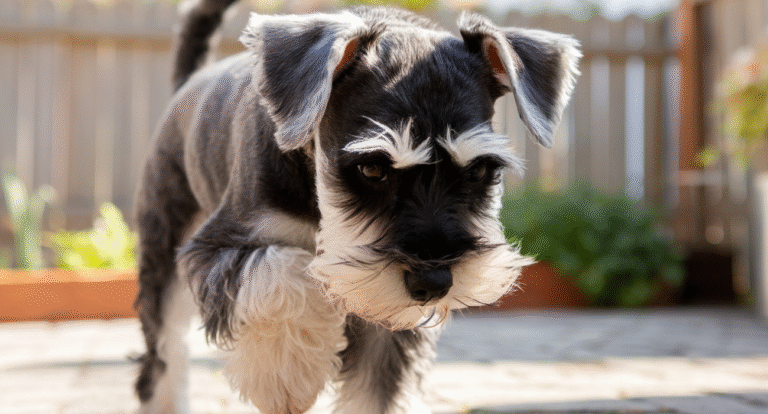
That magnificent Schnauzer beard and those expressive eyebrows? They’re part of the problem. Hair growing around the eyes can irritate them, causing increased tear production. It’s like having a tiny hair constantly poking you in the eye, except your dog can’t just pluck it out. The hair also acts like a wick, drawing moisture away from the eye and keeping the area constantly damp.
This creates the perfect environment for yeast and bacteria to throw a party. Red yeast (Ptyrosporium or Malassezia) absolutely loves warm, moist environments, and it contributes to both the discoloration and sometimes an unpleasant smell.
Medical Causes You Shouldn’t Ignore
Before you start any treatment regimen, rule out underlying health issues. Sometimes tear stains are your dog’s way of waving a little flag that says, “Hey, something’s not quite right here!”
Eye infections can cause excessive tearing. If your Schnauzer is pawing at their face, squinting, or if you notice any discharge that’s yellow or green, call your vet. Conjunctivitis and other infections need professional treatment, not just cosmetic solutions.
Allergies are another major culprit. Just like humans, dogs can be allergic to pollen, dust, certain foods, or environmental factors. Allergies cause inflammation and irritation, which leads to more tears. If the staining is seasonal or coincides with a diet change, allergies might be your answer.
Structural Issues
Some Schnauzers are born with anatomical quirks that predispose them to tear staining. Entropion (eyelids that roll inward) or shallow eye sockets can cause chronic irritation. Blocked tear ducts are another structural issue that prevents proper drainage. These conditions usually require veterinary intervention, and in some cases, minor surgical correction.
| Cause | Symptoms Beyond Staining | Action Required |
|---|---|---|
| Eye Infection | Yellow/green discharge, squinting, pawing at face | Immediate vet visit |
| Allergies | Itching, redness, seasonal pattern | Vet consultation for allergy testing |
| Blocked Tear Ducts | Constant wetness, no other symptoms | Vet examination and possible flushing |
| Entropion | Squinting, visible eyelid rolling | Surgical correction |
| Poor Diet | General coat dullness, digestive issues | Dietary adjustment |
The Diet Connection Nobody Talks About Enough
Here’s something that surprises many owners: what goes into your Schnauzer’s mouth significantly affects what comes out of their eyes. Low quality dog foods packed with fillers, artificial colors, and questionable protein sources can trigger inflammation and increase tear production.
Your dog’s diet isn’t just about maintaining weight or shiny coats. It’s the foundation of their entire bodily function, including how their eyes produce and manage tears.
Look for foods with named meat proteins (chicken, beef, salmon) as the first ingredient, not “meat byproducts” or “animal meal.” Some owners have had tremendous success switching to grain free diets, though this isn’t necessary for every dog. The key is finding what works for your Schnauzer’s individual system.
Certain ingredients are known tear stain triggers. Artificial food dyes (why does dog food need to be bright red anyway?), corn, wheat, and soy top the list. Try an elimination diet if you suspect food allergies: switch to a novel protein source your dog hasn’t eaten before, like duck or venison, and stick with it for at least eight weeks before evaluating results.
Water Quality Matters Too
Tap water can be a hidden villain. High mineral content, particularly iron, can contribute to staining. If your tap water leaves orange stains in your sink, imagine what it’s doing to your dog’s tear chemistry. Switching to filtered or bottled water might seem excessive, but many owners report noticeable improvements within a few weeks.
Daily Cleaning Routines That Actually Work
Consistency is everything when it comes to managing tear stains. You can’t clean your dog’s face once a week and expect miracle results. Think of it like brushing your teeth: skip a day and things start going downhill fast.
Morning and evening cleanings should become as routine as feeding time. Use a soft, clean cloth dampened with warm water or a veterinary approved tear stain solution. Gently wipe from the inner corner of the eye outward, using a fresh section of cloth for each pass. Never wipe back toward the eye, as this can push bacteria and debris into the eye area.
Some people swear by homemade solutions. A mixture of equal parts hydrogen peroxide (3% solution only!) and water can be effective, but be extremely careful to keep it out of the eyes themselves. Colloidal silver is another popular option. Commercial tear stain removers containing ingredients like cetylpyridinium chloride can work well, but avoid anything with antibiotics unless prescribed by your vet.
The Grooming Component
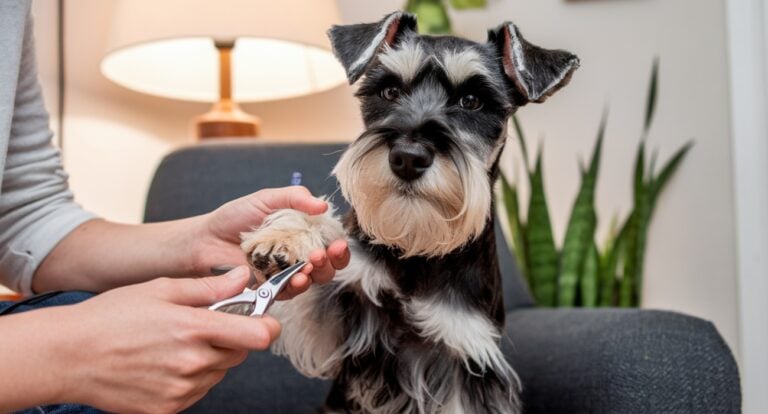
Regular professional grooming isn’t optional for Schnauzers; it’s essential. Your groomer should trim the hair around the eyes carefully, keeping it short enough that it doesn’t poke or irritate. Between grooming appointments (typically every 6 to 8 weeks), you can do touch ups with blunt tipped scissors, though if you’re nervous about working around the eyes, leave it to the professionals.
Keeping facial hair trimmed isn’t vanity grooming. It’s preventive healthcare that stops problems before they start and makes your daily cleaning routine infinitely more effective.
Pay special attention to the beard area too. Schnauzers are enthusiastic eaters and drinkers, which means their beards become breeding grounds for bacteria if not cleaned regularly. A dirty beard near the eyes creates a perfect pathway for bacteria to spread.
Supplements and Additives Worth Considering
The supplement market for tear stains is huge, and not all products are created equal. Probiotics support gut health, which connects to overall immune function and inflammation levels. A healthy gut can mean less reactive tear production.
Omega 3 fatty acids reduce inflammation throughout the body, including the delicate tissues around the eyes. They also support skin health and coat quality. Look for supplements derived from fish oil rather than plant based sources, as these are more bioavailable for dogs.
Some owners report success with adding a tiny bit of apple cider vinegar (organic, with “the mother”) to their dog’s water. The theory is that it changes the pH of the tears, making them less hospitable to bacteria and yeast. Start with just half a teaspoon per day for a 15 to 20 pound dog and adjust as needed. Not every dog will tolerate the taste, though, so don’t force it.
What About Antibiotics?
Tylosin powder, an antibiotic, was once commonly recommended for tear stains and is still found in many commercial products. However, using antibiotics for purely cosmetic purposes raises ethical questions and contributes to antibiotic resistance. If your vet prescribes antibiotics because of an actual infection, that’s one thing. But using them long term just to lighten stains? That’s a hard pass from most veterinary professionals nowadays.
When Professional Help Is Necessary
Sometimes DIY solutions aren’t enough, and that’s okay. If you’ve been diligent with cleaning, tried dietary changes, used quality supplements, and still aren’t seeing improvement after three to four months, it’s time to consult your vet.
Persistent staining despite intervention can indicate underlying issues that need medical attention. Your vet might recommend allergy testing, tear duct flushing, or other diagnostic procedures. Some Schnauzers need daily medicated eye drops to manage chronic dry eye or excessive tearing.
Don’t feel like you’ve failed if you need professional intervention. Some dogs simply have more challenging cases than others, often due to factors completely outside your control, like genetic predisposition or structural abnormalities.
The Reality of Removing Existing Stains
Here’s the tough love section: once staining has set into the fur, it’s often there until that hair grows out and is trimmed away. Surface cleaning can lighten stains and prevent new ones from forming, but deeply set stains are permanent in that particular hair shaft.
This is why prevention beats cure every single time. Starting a consistent routine before staining becomes severe saves you months of frustration. For existing stains, your best bet is a combination approach: meticulous daily cleaning to prevent worsening, dietary optimization to reduce new tear production, and strategic grooming to gradually remove stained hair.
Some groomers offer professional stain removal treatments, but results vary wildly. Be wary of anything that promises instant results, especially if it involves harsh chemicals near your dog’s eyes. Patient, consistent care always wins over quick fixes.
Creating Your Personal Action Plan
Every Schnauzer is unique, which means your approach needs customization. Start by tackling the easiest, most impactful changes first. Switch to filtered water today. Schedule a vet checkup to rule out medical issues this week. Evaluate and potentially change your dog’s food over the next month.
Meanwhile, commit to twice daily face cleanings. Set phone reminders if you need to, because consistency is everything. Take photos every two weeks from the same angle in the same lighting so you can actually track progress. Tear stain improvement is gradual, and you might not notice the changes day to day.
Keep a journal documenting what you try, when you try it, and any changes you observe. This becomes invaluable information if you eventually need veterinary help, and it prevents you from forgetting what you’ve already attempted.
The journey to a stain free Schnauzer face requires patience, persistence, and a willingness to experiment until you find what works for your specific dog. But when you finally see that face looking bright and clean, with nothing but those magnificent eyebrows stealing the show? Totally worth it.