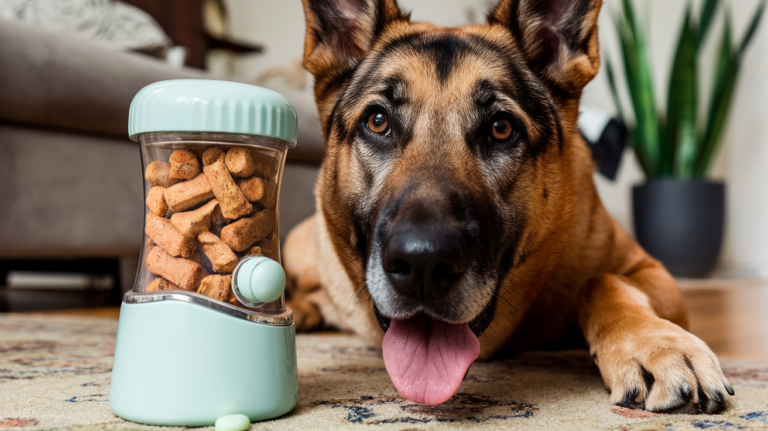
Healthy teeth mean a healthier shepherd. These essential tips make dental care easier and protect your dog from problems long before they start.
Your German Shepherd’s gleaming smile isn’t just adorable; it’s a window into their overall health. Yet dental disease affects a staggering 80% of dogs by age three, and German Shepherds are no exception. These intelligent, loyal companions deserve better than painful gums and tooth decay that could shorten their lives.
Think your GSD’s breath just “smells like dog”? That notorious doggy breath is actually a red flag. Poor dental hygiene can lead to infections that spread to vital organs like the heart and kidneys. The good news? Keeping those canine choppers healthy is entirely manageable with the right approach.
1. Start Brushing Early and Stay Consistent
The absolute gold standard for canine dental care is daily brushing, and starting young makes all the difference. Puppies are sponges for new experiences, so introducing a toothbrush early creates a routine they’ll accept throughout life. Even if you’ve got an adult GSD, it’s never too late to start (though expect a learning curve and maybe some side-eye).
Use a dog-specific toothpaste because human toothpaste contains xylitol and fluoride, both toxic to dogs. Canine toothpaste comes in flavors like poultry and peanut butter, turning tooth time into treat time. Begin by letting your dog lick the paste off your finger, then gradually introduce the brush. Work up to 30 seconds per side, focusing on the outer surfaces where plaque accumulates most.
Consistency beats perfection every single time. Even three brushing sessions per week dramatically reduces plaque buildup compared to none at all.
If daily brushing sounds impossible with your schedule, aim for at least three times weekly. The key is making it non-negotiable, like feeding or walking. Set a reminder on your phone, pair it with another daily activity, or establish it as part of your bedtime routine.
2. Invest in Dental Chews and Toys That Actually Work
Not all chew toys are created equal when it comes to dental health. Look for products with the Veterinary Oral Health Council (VOHC) seal of approval, which means they’ve been tested and proven to reduce plaque or tartar. These specially designed chews have textures that scrub teeth as your dog gnaws, providing mechanical cleaning action.
German Shepherds have powerful jaws, so durability matters. Rubber toys with ridges and nubs massage gums while cleaning tooth surfaces. Rope toys work like dental floss, getting between teeth during tug-of-war sessions. Avoid anything too hard (like actual bones, antlers, or hooves) that could fracture teeth. The rule of thumb? If you can’t indent it with your fingernail, it’s too hard for your dog’s teeth.
Dental chews complement brushing but don’t replace it. Think of them as the mouthwash to brushing’s deep clean. Offer them daily if possible, and supervise chew sessions to ensure your GSD doesn’t try to swallow large pieces.
3. Choose the Right Diet for Dental Health
What goes into your German Shepherd’s mouth affects what stays on their teeth. Dry kibble generally beats wet food for dental health because the crunching action provides mild abrasive cleaning. Some premium dog foods are specifically formulated with larger kibble sizes and textures designed to reduce plaque accumulation.
However, diet alone won’t prevent dental disease. Think of it as one layer in your dental defense strategy. Some veterinarians recommend dental-specific prescription diets for dogs prone to dental issues. These foods have a unique fiber matrix that works like a toothbrush as your dog chews.
Raw bones (not cooked!) can be beneficial in moderation, though opinions vary among veterinarians. Raw meaty bones provide natural teeth cleaning, but they carry risks like bacterial contamination and potential intestinal blockages. If you go this route, research thoroughly, choose appropriate sizes, and always supervise. Many vets suggest skipping bones altogether and sticking with safer alternatives.
4. Schedule Regular Professional Cleanings
Here’s the reality check: even with perfect home care, your German Shepherd needs professional dental cleanings. Veterinary dental procedures go far beyond what you can achieve at home, removing tartar below the gum line where periodontal disease starts.
Most GSDs need professional cleanings every one to three years, depending on their individual dental health and home care routine. These cleanings require general anesthesia (yes, that sounds scary, but modern veterinary anesthesia is quite safe). Your vet will scale and polish teeth, take dental X-rays to check for problems beneath the surface, and address any issues like extractions if necessary.
The cost varies widely based on location and your dog’s dental condition, but expect anywhere from $300 to $1,000+. Pet insurance sometimes covers dental procedures, and many vet clinics offer payment plans. Consider it preventive care that saves money long-term by avoiding emergency treatments for advanced dental disease.
| Frequency of Professional Cleanings | Cost Range | What’s Included |
|---|---|---|
| Every 1-2 years (good home care) | $300-$600 | Scaling, polishing, exam |
| Every 6-12 months (poor dental health) | $500-$1,000+ | Scaling, polishing, X-rays, possible extractions |
| Emergency dental work | $800-$2,500+ | Treatment of infections, extractions, pain management |
5. Monitor for Warning Signs of Dental Problems
German Shepherds are stoic creatures who often hide discomfort until problems become severe. You need to be a dental detective, watching for subtle clues that something’s wrong. Bad breath is the most obvious sign; healthy dog breath shouldn’t knock you over. A slightly fishy or mild odor is normal, but foul, rotting smells indicate bacterial overgrowth.
Check your dog’s mouth weekly. Look for red, swollen gums (healthy gums are pink), yellow or brown tartar buildup on teeth, or bleeding when they chew. Behavioral changes matter too: reluctance to eat hard food, dropping food while eating, pawing at the mouth, or excessive drooling all signal dental pain.
Dogs instinctively hide pain as a survival mechanism, so by the time symptoms are obvious, dental disease may already be advanced. Regular checks catch problems early.
Some German Shepherds develop lumps or growths in their mouths. While many are benign, oral tumors do occur in the breed. Any unusual bumps, especially ones that grow or bleed, warrant immediate veterinary attention.
6. Use Dental Water Additives and Oral Rinses
For dogs who absolutely refuse brushing (it happens), dental water additives offer a hassle-free alternative. These products get added to your dog’s drinking water daily, where they work to reduce bacteria and freshen breath. Look for options with chlorhexidine or cetylpyridinium chloride, which have antimicrobial properties.
Keep expectations realistic, though. Water additives aren’t as effective as brushing and shouldn’t be your only dental strategy. They’re best used alongside other methods or for dogs where brushing genuinely isn’t possible due to temperament or medical issues.
Oral rinses and dental gels applied directly to gums work similarly. Some dogs tolerate these better than toothbrushes. Apply after meals when possible, so the product has maximum contact time with teeth and gums before your dog drinks water.
7. Address Breed-Specific Dental Considerations
German Shepherds typically have well-aligned bites and don’t suffer the dental crowding issues seen in brachycephalic (flat-faced) breeds. However, GSDs can develop specific problems. Their large size means bigger teeth with more surface area for plaque accumulation. They’re also prone to gum recession as they age, exposing tooth roots to decay.
Some German Shepherds have retained baby teeth that didn’t fall out properly, creating spaces where food and bacteria accumulate. These should be extracted by a veterinarian. Watch for this issue during your dog’s 6 to 12-month mark when adult teeth finish coming in.
The breed’s tendency toward autoimmune conditions occasionally manifests as oral inflammatory diseases. If your GSD develops persistent mouth problems despite good dental care, discuss immune-related causes with your veterinarian. Blood tests can identify underlying conditions requiring specific treatment.
8. Make Dental Care Positive and Reward-Based
Your attitude toward dental care shapes your German Shepherd’s response. If you approach tooth brushing like it’s a wrestling match, your dog will dread it. Instead, use positive reinforcement to build pleasant associations. Offer high-value treats afterward, use an enthusiastic voice, and keep sessions short initially.
For resistant dogs, break the process into tiny steps. Spend a few days just lifting their lip and giving treats. Then touch teeth with your finger. Then introduce the toothbrush without paste. This gradual desensitization prevents overwhelming your dog and increases long-term compliance.
Training your German Shepherd to accept dental care is as important as the dental care itself. A cooperative dog makes the process effective and sustainable.
Never force or punish during dental care sessions. If your dog becomes stressed or aggressive, stop and consult a professional dog trainer or veterinary behaviorist. Some dogs genuinely need sedation for home dental care, and that’s okay. Work with your vet to find solutions that keep both you and your dog safe and stress-free.
Remember that dental health directly impacts quality of life. German Shepherds with healthy teeth eat better, play harder, and live longer. The time you invest in their dental care pays dividends in extra years of companionship and fewer painful health problems down the road. Your GSD guards your home and gives unconditional love; returning the favor with proper dental care is the least they deserve.