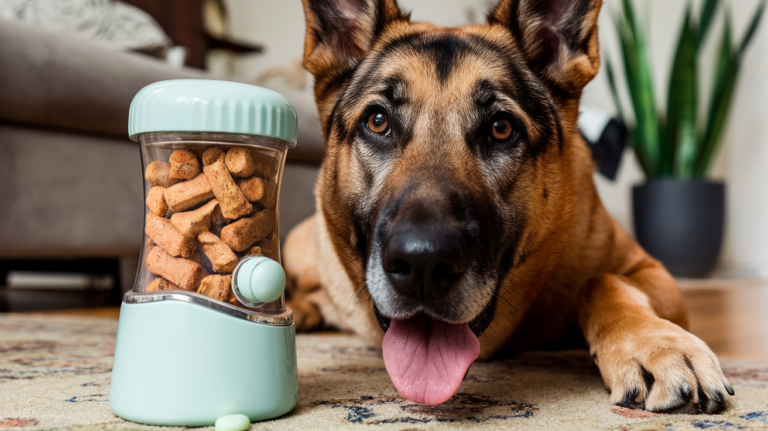
Introducing your German Shepherd to new people doesn’t have to be stressful. These clever tricks build confidence, reduce anxiety, and help every greeting go smoothly.
Your German Shepherd is basically a furry bodyguard who takes their job very seriously. Maybe a little too seriously when Aunt Martha comes over for coffee and gets the full security interrogation treatment. These magnificent dogs were bred to protect and serve, which means they can be suspicious of strangers until properly introduced. But here’s the good news: with the right approach, your GSD can learn that not every visitor is a potential threat.
The key is understanding that your dog isn’t being difficult or aggressive (well, usually). They’re just doing what centuries of breeding told them to do: keep their family safe. Teaching proper introductions isn’t about suppressing their protective instincts. It’s about channeling those instincts productively.
1. Start Socialization Ridiculously Early
The absolute best time to teach your German Shepherd about meeting new people is yesterday. The second best time? Right now. But seriously, if you have a puppy between 3 and 14 weeks old, you’re in the golden window of socialization. During this critical period, puppies are little sponges soaking up experiences and forming opinions about the world.
Expose your young GSD to as many different people as possible: tall people, short people, people wearing hats, people using canes, children (supervised, always), elderly folks, people of different ethnicities. The more variety, the better. Each positive interaction teaches your puppy that humans come in all shapes and sizes, and most of them are perfectly safe.
The goal isn’t just quantity of interactions, but quality experiences. Every new person should bring something positive: treats, gentle pets, or calm energy. You’re building a mental database in your puppy’s brain that says “new humans equal good things.”
Even if you have an adult dog, socialization isn’t a lost cause. It just requires more patience, consistency, and realistic expectations. Adult dogs can absolutely learn new social skills, though the process might be slower.
2. Master The Art Of Neutral Territory
Here’s a secret that professional trainers swear by: first introductions should almost never happen at your front door or in your home. Why? Because your German Shepherd considers your house their territory, and their protective instincts kick into overdrive when strangers enter their domain.
Instead, arrange to meet new people in neutral locations like parks, quiet street corners, or even parking lots. This simple change in scenery can dramatically reduce your dog’s defensive reaction. Without the territorial trigger, they’re much more likely to see the person as just another human rather than a potential intruder.
Take your GSD for a good walk before the meeting to burn off excess energy. A tired dog is a calmer dog, and you want your pup working with their thinking brain, not their reactive brain. Have the new person ignore your dog initially (yes, really). Let your German Shepherd approach on their own terms when they’re ready.
3. Teach The “Look At That” Game
This technique sounds almost too simple to work, but it’s incredibly effective for managing reactions to strangers. The concept is straightforward: whenever your dog notices a person, you immediately reward them for the observation before they have a chance to react negatively.
Here’s how it works in practice:
| Step | Action | Result |
|---|---|---|
| 1 | Dog notices person at a distance | Owner says “Yes!” and gives treat |
| 2 | Dog looks back at owner for treat | Creates positive association with noticing people |
| 3 | Repeat consistently | Dog begins to automatically look to owner when seeing strangers |
| 4 | Gradually decrease distance | Dog remains calm even as people get closer |
The beauty of this game is that it redirects your dog’s attention before they escalate into barking or lunging. You’re essentially rewiring their brain to think “person = treat opportunity” instead of “person = threat to investigate/bark at/worry about.”
Start at distances where your dog notices the person but isn’t reactive yet. This might be 50 feet away, or it might be 200 feet. Every dog is different. As they succeed consistently, you can gradually decrease the distance over multiple sessions.
4. Use High Value Treats Like Your Life Depends On It
Not all treats are created equal, especially when you’re asking your German Shepherd to override their natural instincts. That dry kibble or basic dog biscuit? Cute, but not compelling enough for this level of training. You need the good stuff.
Think cheese, tiny pieces of hot dog, freeze dried liver, or small chunks of chicken. These are the treats that make your dog’s eyes light up and their focus sharpen. When meeting new people, you want your GSD thinking “OH WOW AMAZING THINGS ARE HAPPENING” rather than “I need to investigate this suspicious character.”
Have the new person toss treats near your dog (not directly at them, which can feel threatening) without making direct eye contact initially. This creates a positive association without pressure. As your dog becomes comfortable, the person can gradually offer treats from an open palm.
Remember: you’re not bribing your dog to tolerate people. You’re creating genuine positive associations that change how they feel about strangers at an emotional level. There’s a massive difference between “I’ll put up with this for cheese” and “new people predict good things!”
Some dogs need months of this kind of conditioning. Others catch on quickly. Respect your individual dog’s timeline.
5. Control The Greeting Like A Traffic Director
When it’s time for actual physical interaction, you need to orchestrate this meet and greet like you’re directing traffic at a busy intersection. Chaos helps nobody, especially not your already wary German Shepherd.
First rule: no frontal approaches. Having someone walk straight toward your dog, lean over them, or reach for their head is a recipe for defensive reactions. Instead, have the person approach from the side at a slight angle. They should crouch down sideways rather than looming over your dog.
Second rule: let your dog make the first move. The person should remain relatively still and avoid direct staring (which dogs interpret as confrontational). If your GSD wants to sniff and investigate, great. If they hang back, that’s fine too. Never force the interaction.
Third rule: keep it brief initially. A quick sniff and maybe a gentle pet is plenty for a first meeting. You can always build on success, but pushing too far too fast can undo weeks of progress. Think of it like dating: you don’t propose on the first coffee date.
6. Create Positive Associations With The Doorbell
For many German Shepherds, the doorbell or knock at the door is like an alarm system triggering instant protective mode. You can actually retrain this response so that door sounds predict good things rather than potential threats.
Start by recording the doorbell sound or having someone outside who can ring it on command. Ring it at a low volume while simultaneously tossing your dog’s favorite treats. Ring, toss treats. Ring, toss treats. Do this dozens of times over several days until your dog starts looking at you expectantly when they hear the doorbell.
Gradually increase the volume and add complexity: ring the bell, toss treats, then open the door (with nobody there). Eventually, have a familiar person ring the bell and enter, continuing to reward calm behavior. This systematic desensitization changes the emotional response from “ALERT! INTRUDER!” to “Oh good, the treat delivery system activated.”
This process requires patience and consistency. Some dogs need weeks of practice. But the payoff is enormous: a dog who can remain relatively calm when visitors actually arrive.
7. Exercise Before Social Situations
A German Shepherd with pent up energy is like a coiled spring waiting to explode. All that mental and physical energy has to go somewhere, and often it channels into overreactive behavior around strangers. The solution is elegantly simple: tire them out first.
Before any planned introduction or social situation, take your GSD for a substantial walk, run, or play session. We’re not talking about a quick five minute potty break. Think 30 to 60 minutes of genuine exercise that gets them panting and happy.
A physically tired dog is mentally more relaxed. Their cortisol levels drop, their stress responses decrease, and they’re simply better equipped to handle novel situations without overreacting. It’s like the difference between handling a stressful situation after a good night’s sleep versus when you’re exhausted and wired on coffee. Same situation, completely different capacity to cope.
Plus, exercise releases endorphins and other feel good chemicals in your dog’s brain. You’re basically giving them a natural chill pill before they need to be on their best behavior.
8. Read Your Dog’s Body Language And Respect Their Limits
This might be the most important trick of all: actually pay attention to what your dog is telling you. German Shepherds are generally pretty clear communicators if you know what to look for.
Signs your dog is stressed or uncomfortable include: whale eye (showing the whites of their eyes), lip licking, yawning when not tired, tucked tail, pinned back ears, freezing in place, or attempting to move away. These are all signals that say “I’m not okay with this situation.” Ignoring these warnings and pushing forward anyway damages trust and can lead to more serious defensive behaviors.
Conversely, a relaxed dog shows loose body language, soft eyes, a gently wagging tail (not stiff and high), and willingness to engage. They might sniff curiously, accept treats, or even offer a play bow if they’re really comfortable.
Your job isn’t to force your German Shepherd to love every person they meet. Your job is to help them feel safe enough to make good choices and to advocate for them when situations exceed their current capabilities. Sometimes the kindest thing you can do is remove your dog from an overwhelming situation before they feel the need to defend themselves.
Build confidence gradually. Celebrate small victories. And remember that some German Shepherds will always be more reserved with strangers than others, and that’s perfectly okay. You’re aiming for polite tolerance and good manners, not necessarily exuberant friendliness with everyone.
The relationship between you and your German Shepherd is built on trust. When they see that you’ll protect them from overwhelming situations and won’t force uncomfortable interactions, they relax. That relaxation is the foundation for all successful socialization work.