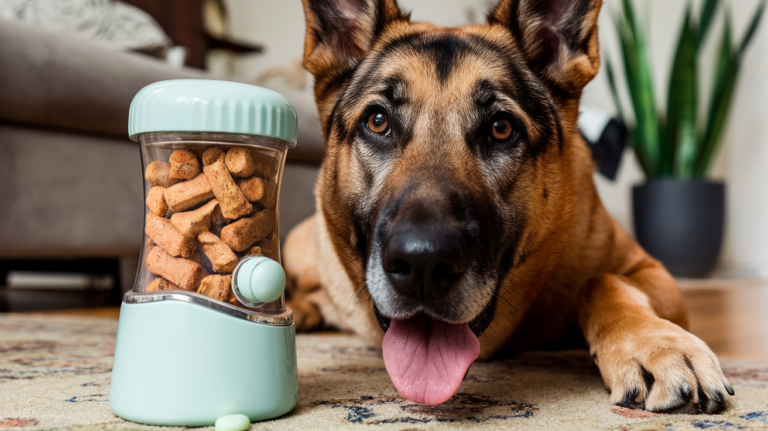
Anxiety signs are often missed. Learn the red flags German Shepherd owners should never ignore and how to help quickly.
Your German Shepherd is pacing around the living room again. The neighbors haven’t even started their lawn mower yet, but somehow your dog already knows it’s coming. That’s the thing about anxiety in German Shepherds: it doesn’t always wait for the storm to arrive before the worry begins.
These incredibly intelligent dogs are famous for their loyalty, courage, and work ethic. But that same intelligence and sensitivity that makes them exceptional working dogs can also make them vulnerable to anxiety. Understanding the signs early can make all the difference in helping your furry companion live their best life.
1. Excessive Panting and Drooling When Nothing’s Wrong
You know that look. The tongue hanging out, the heavy breathing, the puddles of drool appearing on your floor like some kind of mysterious leak. When your German Shepherd pants excessively without having just finished a run or being in a hot environment, anxiety might be the culprit.
Normal panting cools dogs down after exercise or on warm days. Anxiety panting is different. It happens when your dog is completely at rest, when the temperature is comfortable, when logically there’s no reason for them to be breathing like they just finished a marathon. The panting often comes with a worried expression, wide eyes, and a tense body posture.
Pay attention to the context. If your German Shepherd starts panting heavily every time you pick up your car keys or when strangers approach, you’re witnessing an anxiety response, not a cooling mechanism.
Drooling intensifies the picture. While some German Shepherds are naturally drooly (though not as much as some other breeds), sudden excessive drooling paired with panting screams stress. This physical response happens because anxiety triggers the sympathetic nervous system, which affects salivation and breathing patterns.
2. Destructive Behavior That Seems Targeted
Let’s talk about the destruction. Not the playful puppy chewing that every dog owner expects, but the targeted destruction that happens when you leave. Your German Shepherd isn’t plotting revenge because you went to work; they’re panicking because you left.
Separation anxiety manifests through destructive behavior in very specific ways. Dogs with this condition often focus their destruction on exit points: doors, windows, gates. They’re literally trying to follow you or escape their confined space. The scratching, digging, and chewing aren’t random acts of rebellion but desperate attempts to cope with overwhelming stress.
The timing matters immensely. Does the destruction happen within the first 30 minutes of your departure? That’s classic separation anxiety. Is it focused on items that smell like you (shoes, clothes, remote controls you handle frequently)? Your dog is seeking comfort in your scent because they’re distressed by your absence.
| Behavior | Normal Puppy | Anxiety Response |
|---|---|---|
| Chewing | Random items, especially toys | Exit points, owner’s belongings |
| Timing | Throughout the day | Within 30 minutes of departure |
| Intensity | Mild to moderate | Severe, sometimes injurious |
| Context | Boredom or teething | Triggered by specific events |
3. Constant Pacing and Inability to Settle
A German Shepherd with anxiety often can’t find their “off switch.” You’ll notice them pacing the same path repeatedly, almost compulsively. Back and forth, back and forth, like they’re wearing a track into your carpet. This restless movement isn’t purposeful; it’s a physical manifestation of mental distress.
The pacing usually follows a pattern. Some dogs walk the perimeter of rooms, others move between family members, and some fixate on specific areas like doorways or windows. This behavior intensifies during trigger situations: thunderstorms, fireworks, when strangers visit, or during times when routine changes occur.
What makes this particularly concerning is that pacing prevents rest. Dogs need quality sleep just like humans, and chronic pacing from anxiety can lead to exhaustion. You might notice your German Shepherd seeming tired but still unable to lie down and relax. Their body wants rest, but their anxious mind won’t allow it.
4. Excessive Barking and Whining Without Clear Cause
German Shepherds are naturally vocal dogs. They were bred to alert and communicate. However, there’s a massive difference between purposeful vocalization and anxious noise making. When anxiety takes hold, the barking and whining become persistent, high pitched, and seemingly disconnected from external stimuli.
Anxiety driven vocalization has a frantic quality. The barking doesn’t stop when the mailman leaves or when you acknowledge your dog. It continues, sometimes escalating, because the source of distress is internal rather than external. The whining sounds distressed rather than merely attention seeking.
If your German Shepherd barks at shadows, whines when nothing is happening, or vocalizes compulsively in situations that shouldn’t warrant it, anxiety is likely pulling the strings behind this behavior.
Some anxious German Shepherds develop specific vocal patterns. They might whine continuously during car rides, bark repeatedly when left alone, or vocalize obsessively when they sense you’re about to leave. The predictability of these patterns often helps identify anxiety as the root cause rather than other behavioral issues.
5. Hiding, Trembling, or Tucked Tail Body Language
Body language tells stories that barking never could. An anxious German Shepherd displays unmistakable physical signs: ears pinned back, tail tucked tightly, body lowered, and sometimes full body trembling. These aren’t subtle hints; they’re bright red flags waving desperately for attention.
Hiding behavior is particularly telling. German Shepherds are typically confident, face the world head on kind of dogs. When a German Shepherd suddenly seeks out dark corners, hides under furniture, or refuses to come out from their crate, something is seriously wrong. This retreat behavior indicates they’re so overwhelmed by anxiety that their only coping mechanism is to escape and hide.
The trembling can range from mild shaking to full body shudders. Some German Shepherds tremble only during obvious triggers like thunderstorms, while others shake frequently in response to less obvious stressors. Combined with a tucked tail and lowered posture, these physical symptoms paint a clear picture of a dog experiencing significant emotional distress.
6. Changes in Bathroom Habits Despite Being Housetrained
Your perfectly housetrained German Shepherd suddenly starts having accidents in the house. Before you assume they’re being spiteful or that they’ve forgotten their training, consider that anxiety can absolutely override housetraining. When dogs experience extreme stress, their bodily functions can become difficult to control.
Stress induced elimination often happens in specific contexts. Does your dog have accidents only when left alone? Only during thunderstorms? Only when visitors come over? These patterns reveal that anxiety, not a lack of training or a medical issue, is causing the problem.
The type of elimination can also provide clues. Anxiety often causes loose stools or diarrhea due to the gut brain connection. The stress hormones flooding your dog’s system directly affect their digestive tract, leading to urgent bathroom needs they literally cannot control no matter how well trained they are.
7. Obsessive Licking, Scratching, or Self-Harming Behaviors
Perhaps the most heartbreaking sign of anxiety in German Shepherds is when they turn their distress inward. Obsessive licking of paws, flanks, or other body parts can create raw wounds and hot spots. Some anxious dogs scratch themselves excessively despite having no skin conditions or allergies. This is self soothing behavior gone terribly wrong.
The repetitive nature of these behaviors is what makes them recognizable as anxiety responses. A dog might lick the same paw for hours, creating a wet, irritated spot that never heals because they won’t leave it alone. The licking becomes almost trancelike, and interrupting them provides only temporary relief before they return to the behavior.
| Compulsive Behavior | What It Looks Like | Common Triggers |
|---|---|---|
| Paw Licking | Continuous licking creating raw spots | Separation, boredom, general anxiety |
| Tail Chasing | Spinning in circles obsessively | High stress, understimulation |
| Flank Sucking | Sucking or chewing own sides | Anxiety, early weaning issues |
| Shadow Chasing | Fixating on lights/shadows | Overstimulation, anxiety disorders |
Some German Shepherds develop such severe anxiety that they engage in truly self harming behaviors: chewing their tails until they bleed, scratching until they create wounds, or pulling out their own fur. These extreme cases require immediate veterinary and behavioral intervention because the dog is experiencing such profound distress that they’re injuring themselves in an attempt to cope.
When anxiety manifests as self-harm, your German Shepherd isn’t being dramatic or attention seeking. They’re showing you, in the most direct way possible, that their internal emotional state has become unbearable.
The challenge with obsessive behaviors is that they can quickly become habitual. What starts as an anxiety response can evolve into a compulsion that persists even after the initial stressor is removed. Breaking these cycles requires patience, often professional help, and addressing the underlying anxiety that sparked the behavior initially.
Understanding these seven signs is your first step toward helping your German Shepherd live a calmer, happier life. These behaviors aren’t character flaws or training failures; they’re distress signals from a dog who needs your help navigating their emotional world. Recognition leads to intervention, and intervention leads to relief for your anxious companion.