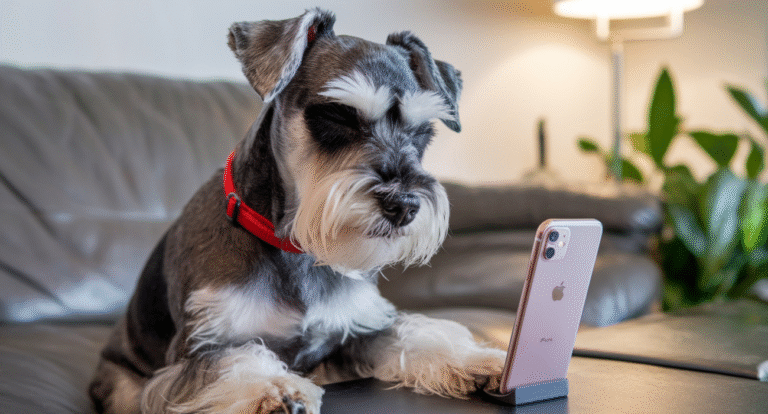
Some treats hide dangers you might never expect. Learn to spot the risks and keep your Schnauzer’s snack time healthy and safe.
Your Schnauzer just nailed that “sit” command for the hundredth time today, and naturally, they deserve a reward. You toss them a treat without a second thought. But should you be thinking twice? Absolutely.
The truth is, many everyday dog treats contain ingredients that range from questionable to downright dangerous. Some are toxic in small amounts, while others cause cumulative damage over months or years. Before you hand over another “harmless” snack, let’s dig into what might be compromising your Schnauzer’s health one treat at a time.
1. Xylitol: The Silent Killer Hiding in “Sugar-Free” Treats
This artificial sweetener has become increasingly common in products marketed as healthy alternatives for dogs. The problem? Xylitol is catastrophically toxic to Schnauzers and all canines, even in tiny amounts.
When your Schnauzer ingests xylitol, their body mistakes it for real sugar and releases a massive surge of insulin. This causes blood sugar levels to plummet dangerously within 10 to 60 minutes. Symptoms include vomiting, weakness, seizures, and collapse. Even worse, xylitol can cause acute liver failure, which can be fatal.
The amount of xylitol in a single piece of sugar-free gum can be enough to seriously harm a medium-sized Schnauzer. Just imagine what multiple “healthy” xylitol-sweetened treats per day could do.
Check labels obsessively. Xylitol hides under various names including birch sugar, birch bark extract, and various scientific terms. It’s showing up in peanut butter (a common treat ingredient), dental chews, and supplements marketed specifically for dogs. The scary part? As more human foods go “sugar free,” xylitol contamination becomes an ever-present danger.
2. Rawhide: The Choking Hazard That Never Fully Digests
Walk into any pet store and you’ll find walls of rawhide chews in every shape and size imaginable. They’re cheap, dogs love them, and they keep your Schnauzer busy for hours. What’s not to love? Well, quite a bit actually.
Rawhide doesn’t digest like normal food. Instead, it softens into a gummy, expandable mass in your dog’s stomach. Your Schnauzer’s enthusiastic chewing breaks off chunks that can become serious choking hazards or, worse, intestinal blockages requiring emergency surgery.
The manufacturing process raises additional red flags. Many rawhide products are treated with harsh chemicals during production, including arsenic-based preservatives, formaldehyde, and bleach. These chemical residues don’t just disappear; your Schnauzer ingests them with every chew session.
Schnauzers are particularly stubborn chewers, which means they’re more likely to work through a rawhide quickly and swallow larger, more dangerous pieces. Their medium size also puts them in a vulnerable category where chunks are big enough to cause blockages but small enough to initially swallow.
3. Artificial Colors: Pretty Treats, Ugly Consequences
Your Schnauzer doesn’t care if their treat is neon green or fire engine red. Those vibrant colors exist purely for your benefit, making treats look more appealing to human buyers. Unfortunately, many artificial dyes come with significant health risks.
Blue 2, Red 40, Yellow 5, and Yellow 6 are among the most common culprits. Research has linked these synthetic colors to hyperactivity, allergic reactions, and even tumor growth in laboratory studies. While the FDA approves these additives, they’ve been banned in several European countries for human consumption due to health concerns.
| Common Artificial Dye | Also Known As | Potential Issues |
|---|---|---|
| Blue 2 | Indigotine | Brain tumors in animal studies, hyperactivity |
| Red 40 | Allura Red AC | Allergic reactions, hyperactivity, potential carcinogen |
| Yellow 5 | Tartrazine | Severe allergic reactions, hyperactivity, thyroid tumors |
| Yellow 6 | Sunset Yellow | Allergic reactions, kidney and adrenal gland tumors |
Schnauzers already have sensitive skin and can be prone to allergies. Adding unnecessary chemical dyes to their diet seems like asking for trouble. Look for treats colored with natural ingredients like beet powder, turmeric, or spirulina instead.
4. Rendered By-Products: Mystery Meat You Don’t Want to Solve
“Meat by-products” and “rendered meat meal” sound innocuous enough, maybe even nutritious. The reality is considerably less appetizing. These ingredients come from the parts of animals deemed unfit for human consumption, processed at rendering plants that handle everything from roadkill to euthanized animals.
The rendering process involves extreme heat to break down carcasses into usable protein and fat. While this kills bacteria, it doesn’t eliminate chemical residues, heavy metals, or medications like pentobarbital (the drug used to euthanize animals). Multiple studies have detected pentobarbital in dog food and treats containing rendered meat.
When a treat lists “meat by-products” without specifying the source, you’re essentially feeding your Schnauzer a mystery casserole of beaks, feet, intestines, and whatever else couldn’t be sold for human consumption.
Premium doesn’t always mean safe. Some expensive treats still use these questionable ingredients. Always read labels carefully, and look for treats that specify “human-grade” meat from named sources like chicken, beef, or salmon.
5. Propylene Glycol: Antifreeze’s Sneaky Cousin
If you saw antifreeze on a treat label, you’d run screaming. Yet propylene glycol, a close chemical relative, appears in numerous dog treats to maintain moisture and texture. While less toxic than ethylene glycol (the antifreeze that kills pets every winter), propylene glycol still poses serious health risks.
This additive has been banned from cat food by the FDA because it causes Heinz body anemia, a condition where red blood cells are damaged. Dogs are somewhat less susceptible, but that doesn’t make it safe. Propylene glycol can cause lactic acidosis, where dangerous levels of lactic acid build up in the bloodstream.
Schnauzers are prone to certain health conditions, including bladder stones and pancreatitis. Adding unnecessary chemicals like propylene glycol only increases the toxic load their bodies must process. Why risk it when plenty of treats use natural preservatives like mixed tocopherols (vitamin E) instead?
Look for propylene glycol in soft, chewy treats, especially those with a notably moist texture that stays fresh forever without refrigeration. That unnatural shelf stability comes at a cost.
6. Excessive Salt: The Slow-Building Threat
A little sodium is necessary for canine health, but many commercial treats contain shocking amounts of salt to enhance flavor and act as a preservative. Too much salt leads to excessive thirst, frequent urination, and in severe cases, sodium ion poisoning.
Chronic overconsumption is where the real danger lurks. Over time, excessive salt intake contributes to high blood pressure, heart disease, and kidney problems. Schnauzers are already predisposed to certain urinary issues, making salt overload particularly problematic for this breed.
Here’s what many dog owners don’t realize: those salty treats add up throughout the day. A few training treats here, a dental chew there, maybe some jerky during playtime. Before you know it, your Schnauzer has consumed several times their recommended daily sodium intake.
| Dog Weight | Maximum Daily Sodium | Example: Salty Treats |
|---|---|---|
| 10-20 lbs | 100 mg | 2-3 typical jerky treats = 200mg+ |
| 20-40 lbs | 200 mg | 4-5 typical jerky treats = 400mg+ |
| 40-60 lbs | 300 mg | 6-7 typical jerky treats = 600mg+ |
Calculate your Schnauzer’s total daily sodium from all sources: regular food, treats, table scraps, and even medications. You might be horrified by the total.
7. BHA, BHT, and Ethoxyquin: Preservatives with a Dark Side
These chemical preservatives prevent fats from going rancid, extending shelf life dramatically. They’re also potential carcinogens that have been restricted or banned in human food in many countries. Yet they persist in pet treats because regulations are far less stringent.
Butylated hydroxyanisole (BHA) and butylated hydroxytoluene (BHT) are synthetic antioxidants classified as “reasonably anticipated to be human carcinogens” by the National Toxicology Program. Ethoxyquin, originally developed as a rubber stabilizer and pesticide, has been linked to kidney and thyroid problems.
These preservatives accumulate in fatty tissues over time, meaning each treat adds to your Schnauzer’s total body burden of these questionable chemicals. The effects might not appear immediately, but years of exposure could contribute to cancer and organ damage.
Natural alternatives exist, including vitamin E (mixed tocopherols), vitamin C (ascorbic acid), and rosemary extract. These work effectively as preservatives without the cancer risk. If a manufacturer cares enough to use natural preservatives, they probably care about other ingredients too.
Your Schnauzer’s expressive face and unwavering loyalty deserve better than treats filled with hidden dangers. Reading labels isn’t paranoia; it’s responsible pet parenting. Next time those bushy eyebrows lift in anticipation, you’ll know you’re offering something truly safe.