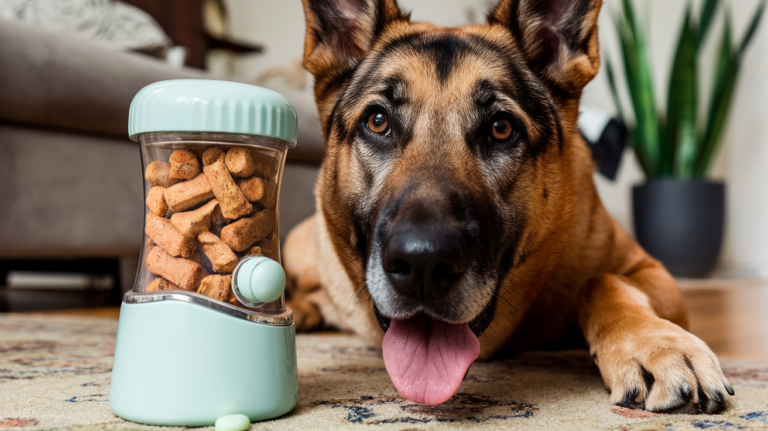
Those tasty rewards might be doing more harm than good. Learn which treat dangers to avoid and what safer options to choose instead.
You’re standing in the pet store aisle, overwhelmed by hundreds of treat options, each promising to be the perfect reward for your German Shepherd. The bags sport wholesome images of happy dogs and reassuring words like “natural” and “healthy.” You grab what looks good and move on.
Meanwhile, your GSD’s sensitive digestive system and unique breed vulnerabilities are about to encounter ingredients that could trigger anything from mild upset to serious health complications. The scary part? Most of us have no idea what we’re actually feeding our four legged family members.
1. Mystery Meat Meals and Dubious Protein Sources
When you flip that treat bag over and see “meat meal” or “animal by-products” listed, your stomach should drop a little. These vague terms are the industry’s way of saying “we used whatever was cheapest and available.” For German Shepherds, who are prone to food sensitivities and allergies, this ambiguity is particularly dangerous.
Meat meals can contain rendered parts from multiple animal sources, including diseased livestock, roadkill, or euthanized animals from shelters. Yes, you read that correctly. The rendering process involves extreme heat that destroys many pathogens, but it doesn’t eliminate heavy metals, medication residues, or the pentobarbital used in euthanasia. Studies have actually detected pentobarbital in some commercial pet foods and treats.
Your German Shepherd deserves to know exactly what protein they’re eating, not play Russian roulette with “meat” from unnamed sources.
German Shepherds require high quality protein for their muscular build and active lifestyle. When that protein comes from questionable sources, you’re not just compromising nutrition; you’re potentially introducing toxins that accumulate over time. Their bodies work overtime to process these inferior ingredients, stressing organs that are already vulnerable in this breed.
| Ingredient Term | What It Actually Means | Risk Level for GSDs |
|---|---|---|
| Meat Meal | Rendered tissue from mammals | High |
| Animal By-Products | Non-rendered parts (organs, bones, blood) | Medium to High |
| Meat and Bone Meal | Rendered meat and bone together | High |
| Animal Digest | Chemical or enzymatic breakdown of animal tissue | Medium |
| Named Meat Meal (e.g., “Chicken Meal”) | Rendered tissue from specific animal | Low to Medium |
Look for treats that specify the protein source clearly: chicken, beef, lamb, salmon. If the manufacturer is proud of their ingredients, they’ll tell you exactly what’s inside.
2. Chemical Preservatives That Sound Like Poison
BHA, BHT, ethoxyquin, propylene glycol. These aren’t ingredients; they’re practically industrial chemicals masquerading as preservatives. Yet they’re everywhere in commercial dog treats, extending shelf life at the potential expense of your German Shepherd’s long term health.
Butylated hydroxyanisole (BHA) and butylated hydroxytoluene (BHT) are synthetic antioxidants banned in human food in several countries due to cancer concerns. The pet food industry, however, continues using them liberally. Ethoxyquin, originally developed as a rubber stabilizer, has been linked to kidney and thyroid issues in dogs.
German Shepherds are particularly susceptible to cancer, with rates significantly higher than many other breeds. Introducing known or suspected carcinogens through daily treats creates an unnecessary risk that accumulates with every snack. Your GSD might not show immediate reactions, but these chemicals can alter cellular function over months and years.
If you wouldn’t feed your child ingredients banned in human food, why would you feed them to your German Shepherd?
Natural preservatives like vitamin E (mixed tocopherols) and vitamin C (ascorbic acid) exist and work beautifully. They might give treats a shorter shelf life, but isn’t your dog’s health worth buying treats more frequently? Always check labels and reject anything containing BHA, BHT, ethoxyquin, or propylene glycol.
3. Grain Fillers That Trigger Inflammation
Corn, wheat, and soy. The holy trinity of cheap fillers that pad out treat recipes while providing minimal nutritional value. For German Shepherds, who already battle inflammatory conditions like hip dysplasia and arthritis, grain heavy treats can fan the flames of chronic inflammation.
These grains serve one primary purpose: profit margins. They’re inexpensive, readily available, and bulk up treats without adding quality nutrition. But here’s what they do add: potential allergens, rapid blood sugar spikes, and empty calories that contribute to obesity. German Shepherds maintaining a healthy weight puts less stress on their vulnerable joints.
Many GSDs develop sensitivities to these grains, manifesting as skin issues, ear infections, gastrointestinal distress, or generalized itching. You might not connect the dots between that wheat filled treat and your dog’s constant paw licking, but the relationship is often direct. Inflammation caused by grain sensitivity doesn’t just affect the gut; it creates systemic issues throughout the body.
When scanning ingredient lists, grains should appear far down the list if at all. Better yet, choose grain free options made with sweet potato, chickpeas, or other whole food carbohydrates that provide actual nutritional benefit. Your German Shepherd’s body will thank you with better mobility, shinier coat, and improved energy levels.
4. Artificial Colors and Flavors (Because Your Dog Cares About Aesthetics?)
Red 40, Yellow 5, Blue 2. These artificial dyes make treats look appealing to you, not your dog. German Shepherds see the world differently than humans and couldn’t care less whether their treat is bright red or natural brown. So why are manufacturers adding these petroleum derived chemicals?
Marketing. Pure and simple. Those vibrant colors catch your eye on the shelf and create the illusion of variety and quality. Meanwhile, these synthetic dyes have been linked to hyperactivity, allergic reactions, and even cancer in laboratory studies. The European Union requires warning labels on foods containing certain artificial colors due to behavioral concerns in children.
Your German Shepherd doesn’t need treats that look like they belong in a candy store. They need treats that support their health, not just your Instagram aesthetic.
Artificial flavors are equally problematic. If a treat needs chemical enhancement to taste appealing, what does that say about the quality of the base ingredients? High quality proteins and natural ingredients have inherent flavors that dogs find irresistible. Chemical flavorings often mask inferior ingredients that your dog would naturally reject.
Check labels ruthlessly. Any color followed by a number is artificial and unnecessary. Opt for treats colored naturally (if at all) with ingredients like turmeric, beet powder, or spirulina. Better yet, choose treats that embrace their natural appearance without artificial enhancement.
5. Sugar and Salt in Shocking Quantities
Dogs don’t need added sugar. Period. Yet manufacturers regularly include various forms of sugar (corn syrup, molasses, cane sugar, fructose) to increase palatability and create that addictive quality that keeps your German Shepherd begging for more. It’s the canine equivalent of junk food addiction.
Excessive sugar consumption contributes to obesity, diabetes, dental disease, and behavioral issues. German Shepherds are energetic breeds that benefit from stable blood sugar, not the roller coaster created by sugary treats. That post treat hyperactivity followed by a crash? Thank added sugars.
Salt is similarly overused. While dogs need some sodium, the amounts in many commercial treats far exceed nutritional requirements. Excessive salt intake stresses the kidneys, raises blood pressure, and can exacerbate heart conditions. For a large breed like the German Shepherd, already prone to certain cardiac issues, this creates unnecessary risk.
Examine ingredient lists for hidden sugars and sodium. They appear under multiple names, so familiarize yourself with terms like dextrose, maltose, sodium tripolyphosphate, and various syrups. Your German Shepherd doesn’t need treats engineered for addiction; they need clean, species appropriate nutrition.
6. Dangerous Binding Agents and Thickeners
Carrageenan, a seaweed derived thickener, appears frequently in soft dog treats. Research has linked it to gastrointestinal inflammation, ulcerations, and even tumor growth. Yet it persists in pet products because it creates that desirable chewy texture at minimal cost.
German Shepherds are notorious for sensitive stomachs. Introducing inflammatory ingredients like carrageenan sets them up for chronic digestive issues that manifest as diarrhea, vomiting, or general gastrointestinal distress. The connection between treat and symptom isn’t always obvious because the inflammation builds gradually.
Other problematic binders include propylene glycol (also a preservative) and various gums that can cause digestive upset. While some binding agents are benign, many are included purely for texture and convenience rather than nutritional value. They allow manufacturers to use lower quality base ingredients while still achieving the desired consistency.
Natural binding alternatives exist. Gelatin, agar, and plant based options like chia or flaxseed provide binding without inflammatory properties. When evaluating treats, consider whether the binding agents serve your dog’s health or simply the manufacturer’s production efficiency.
7. Treats Made in Countries With Lax Safety Standards
The country of origin matters more than many owners realize. Jerky treats manufactured in certain countries have been linked to thousands of dog illnesses and deaths, yet they continue flooding the market. The lack of stringent quality control and oversight in some manufacturing regions creates serious safety concerns.
Chinese made treats particularly raised alarms after widespread reports of kidney failure in dogs consuming chicken jerky products. Despite FDA warnings and investigations, identifying the specific contaminant proved difficult, and similar products remain available. The risk isn’t worth the savings.
Look for treats manufactured in countries with robust pet food safety regulations: the United States, Canada, New Zealand, and many European nations maintain higher standards. Even better, choose treats made with locally sourced ingredients that undergo rigorous testing. Your German Shepherd’s life might literally depend on where their treats come from.
Read labels completely. “Distributed by” doesn’t mean “manufactured in.” Companies can package foreign made treats domestically and create the illusion of local production. Demand transparency and vote with your wallet for brands that prioritize safety over profit margins.
The treats you choose are more than just rewards; they’re a significant component of your German Shepherd’s overall diet and health. With these magnificent dogs already facing breed specific vulnerabilities, why introduce additional risks through carelessly chosen treats? Scrutinize labels, research brands, and when in doubt, make your own treats at home. Your GSD’s wagging tail shouldn’t come at the cost of their long term wellbeing.