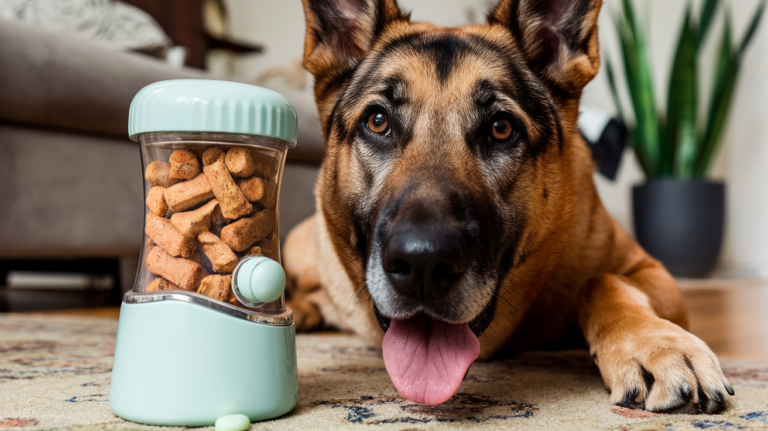
Training struggles happen to every GSD owner. Real-world solutions turn frustration into progress and make daily life calmer for both of you.
Every German Shepherd owner has that moment. You know the one. Where your dog completely ignores your command while staring directly at you with those knowing eyes, and you wonder if you’ve somehow adopted a canine philosopher rather than man’s best friend.
The struggle is real, and it’s universal. From excessive barking that could wake the neighbors three blocks away to leash pulling that gives you an unexpected arm workout, GSDs present specific training hurdles. But here’s what separates successful GSD owners from frustrated ones: understanding that these aren’t defects but features that need proper channeling.
1. The Mouthing and Nipping Nightmare
Your hands look like you’ve been wrestling with a rosebush, and your sleeves have more holes than Swiss cheese. Welcome to life with a GSD puppy who thinks everything (including you) is a chew toy.
German Shepherds have incredibly strong bite inhibition instincts that need to be properly developed. In the wild, puppies learn bite control from their mothers and littermates. When they bite too hard during play, they get an immediate yelp and play stops. Your job? Replicate this process.
The solution is surprisingly simple but requires consistency. When your GSD mouths you, let out a high-pitched “ouch!” and immediately turn away, withdrawing all attention for 30 seconds. No eye contact, no talking, nothing. This teaches them that teeth on skin equals fun times over.
Additionally, redirect that mouthy energy toward appropriate outlets. Keep a variety of textures available: rubber toys, rope toys, frozen Kongs filled with peanut butter. When your pup goes for your hand, swiftly replace it with an acceptable chew toy and praise them enthusiastically when they take it.
Consistency transforms chaos into understanding. Every single interaction is a training opportunity, and your GSD is taking notes.
Pro tip: Exercise before training sessions. A tired GSD is a trainable GSD. Twenty minutes of fetch or tug can make the difference between a land shark and a focused student.
2. Leash Pulling That Doubles as Your CrossFit Routine
If walking your German Shepherd feels like you’re water skiing on concrete, you’re experiencing one of the most common GSD challenges. These powerful dogs can pull with surprising force, turning peaceful strolls into upper body workouts you never asked for.
The root cause? GSDs are naturally forward-moving dogs with high energy and a strong desire to explore their environment. They’re also fast learners, which means if pulling gets them where they want to go, they’ll keep doing it.
Here’s your game plan: Stop rewarding the pull. The moment the leash goes taut, you become a tree. Don’t move forward, don’t yank back, just stop. Wait until your dog looks back at you or the leash loosens, then mark that moment with “yes!” and take a step forward. Rinse and repeat approximately eight thousand times (kidding, but it will feel that way initially).
| Training Method | Time Investment | Effectiveness | Best For |
|---|---|---|---|
| Tree Method (Stop & Go) | 2-3 weeks | High | Patient owners |
| Direction Changes | 1-2 weeks | Very High | Active owners |
| Loose Leash Games | 3-4 weeks | Moderate to High | Treat-motivated dogs |
| Professional Training | Varies | Very High | Complex cases |
Consider using a front-clip harness temporarily. Unlike collar-based methods, these redirect your dog’s momentum toward you when they pull, making it physically harder for them to drag you down the street. But remember: gear is a management tool, not a training substitute.
Practice in low-distraction environments first. Your living room might feel silly, but it’s where habits form. Graduate to the backyard, then quiet streets, then busier areas. Each success builds the foundation for the next challenge.
3. Excessive Barking at Everything That Moves (and Things That Don’t)
Your GSD has appointed themselves as the neighborhood watch, security system, and town crier all rolled into one extremely vocal package. The mailman? Threat. A leaf blowing past? Suspicious. A car driving by? Definitely worth a five-minute alert sequence.
German Shepherds were bred to be alert and vocal. It’s literally in their job description as herding and protection dogs. They’re supposed to notice things and communicate. The problem isn’t the barking itself but rather helping them understand when it’s appropriate and when it needs to stop.
First, teach the “quiet” command. Wait for a barking episode, let them get a few barks out (acknowledge the alert), then hold a treat near their nose. Most dogs can’t bark and sniff simultaneously. The moment they stop barking, say “quiet,” give the treat, and praise. Repeat until they associate the word with the action of stopping.
Your GSD isn’t being difficult; they’re being a German Shepherd. Work with their nature, not against it.
Address the root cause. Is your dog barking from the window all day? Close the curtains or block visual access to street traffic. Boredom barking? Increase mental stimulation with puzzle toys and training sessions. Fear-based barking? That requires desensitization work, possibly with a professional trainer.
Create a “quiet zone” routine. Teach your GSD to go to a specific mat or bed on command. Reinforce calm behavior in this space with treats and praise. Over time, this becomes their default relaxation station when overstimulation hits.
Don’t yell at your barking dog. To them, you’re just joining the chorus. They think you’re barking too, which validates their behavior. Instead, calmly interrupt, redirect, and reward the behavior you want.
4. Separation Anxiety That Destroys Your Home
You leave for 20 minutes to grab milk, and return to find your couch has been “redecorated” and your doorframe has mysterious teeth marks. Your neighbors mention the howling. Again. Your GSD has apparently decided that your absence equals the end of the world.
This isn’t spite; it’s genuine distress. German Shepherds form incredibly strong bonds with their people and can struggle when left alone. They’re pack animals who thrive on companionship, and modern life’s requirement for alone time doesn’t come naturally to them.
Start with departures so brief they’re almost laughable. Put on your shoes, pick up your keys, open the door, then sit back down. Repeat until this barely registers. Then step outside for five seconds. Come back in. No dramatic hellos, just calm reentry. Gradually increase duration over weeks, not days.
Create positive associations with your departure cues. Put on your coat, give a special treat, take off your coat. Grab your keys, offer a puzzle toy, put keys down. You’re breaking the anxiety chain by making these signals meaningless.
Exercise is non-negotiable for separation anxiety cases. A GSD who’s had a solid 45-minute training session or run before you leave is far more likely to nap than panic. Mental exhaustion counts too; 15 minutes of nose work or trick training can tire them as much as a walk.
Consider a crate if introduced properly (never as punishment). Many dogs find crates comforting, like a den. Cover it partially with a blanket, add comfortable bedding, and make it the location of all good things: meals, special treats, favorite toys.
5. Jumping on Guests Like They’re Long Lost Relatives
Your GSD greets visitors with the enthusiasm of a Olympic pole vaulter, leaving paw prints on shirts and occasionally knocking smaller humans off balance. You’ve apologized to more guests than you can count, and your dog remains absolutely thrilled with their greeting style.
Jumping is self-reinforcing. When your 70-pound dog launches at Aunt Martha and she pets them (even while scolding), your GSD just got exactly what they wanted: attention and physical contact. Game, set, match.
The fix requires management and alternative behavior training. First, stop allowing the jump to be rewarded. When guests arrive, put your GSD behind a baby gate or in another room initially. Let excitement levels drop from “absolutely bonkers” to “manageable.”
Teach an incompatible behavior. A dog cannot simultaneously sit and jump. Practice “four on the floor” obsessively. The moment all paws are grounded, shower with treats and praise. When even one paw lifts, all attention stops. You’re making ground contact the most rewarding state possible.
Recruit helpers for setup training. Have friends come over specifically for practice sessions. They ring the doorbell, you cue sit, they only enter when all paws are down. If your dog breaks the sit and jumps, the person immediately turns around and leaves. The doorbell rings again. Repeat until your dog realizes that sitting makes the beloved visitor stay.
| Behavior | What NOT To Do | What TO Do |
|---|---|---|
| Jumping | Push dog down, knee them, yell | Turn away, withhold attention until calm |
| Excitement | Get excited too | Stay calm, reward calm behavior |
| Guest arrival | Let dog rush door | Gate/Separate, then controlled greeting |
Patience matters here. Your GSD has potentially years of reinforcement history for jumping. Breaking that pattern takes time, but every successful greeting where paws stay grounded builds new neural pathways.
6. Selective Hearing Syndrome
You know your German Shepherd understands “come.” You’ve practiced it a hundred times in the backyard. But at the dog park, when a interesting smell or potential friend appears? Suddenly your dog has developed convenient deafness and your recall command evaporates into thin air.
This isn’t defiance; it’s a cost-benefit analysis. Your GSD is weighing the value of coming to you against the value of what they’re currently doing. If the squirrel or other dog is more interesting than you, guess who loses?
Make yourself the best option available. Practice recalls during low-distraction moments and reward with high-value treats (real chicken, cheese, whatever makes your dog’s eyes light up). Never call your dog for something unpleasant. Don’t recall them to end playtime, clip nails, or give medicine. You’re poisoning the cue.
Use a long line (20 to 30 feet) during training. This gives your GSD freedom to explore while preventing them from learning that ignoring you is an option. When you call and they don’t respond, gently reel them in while staying upbeat and positive. When they reach you, jackpot rewards even though you technically “forced” compliance.
Training reliability isn’t about domination; it’s about building a relationship where coming to you is always the best choice available.
Add unpredictability to your rewards. Sometimes a treat, sometimes a toy, sometimes release back to play, sometimes a full handful of treats. Variable reinforcement creates stronger behavior than predictable rewards. Your dog never knows if this recall might be the jackpot, so they’re more likely to respond.
Practice the “premack principle”: use high-probability behaviors to reinforce low-probability ones. Your dog wants to go sniff that tree? Great. Call them to you first, reward the recall, then release them to the tree with “go sniff!” You just made coming to you the gateway to what they wanted anyway.
7. Resource Guarding Their Treasures
Your sweet GSD turns into a completely different dog when they have a bone, toy, or food bowl. The freeze, the hard stare, maybe even a growl. Resource guarding is deeply instinctive for dogs, a survival mechanism that says “this is mine, and I need it to live.”
Never punish a growl. That growl is your warning system, your dog’s way of communicating discomfort before escalating to a bite. Punish the growl, and you might create a dog who bites without warning. Instead, thank your dog for the information and address the underlying insecurity.
Build value for your presence near resources. When your GSD has a toy, walk by and toss something amazing (a piece of hot dog, cheese, chicken). Don’t take the toy; just make your approach predict good things. Over many repetitions, your dog learns that you near their stuff means upgrades, not theft.
Practice trading up. Offer something better than what they have. If they’re chewing a regular toy, show them a stuffed Kong or special treat. When they drop the first item to take the better option, give them the better option and walk away. Eventually, you can return the original item too. You’re teaching that giving things to you isn’t permanent loss.
For serious cases involving aggression, hire a professional. Resource guarding can escalate, especially in households with children or multiple pets. A certified dog behaviorist can create a customized protocol for your specific situation.
Prevention matters for puppies. Regularly practice gentle handling during meals: add food to the bowl while they eat, touch them calmly, occasionally lift and immediately return the bowl with bonus treats added. You’re building positive associations from day one.