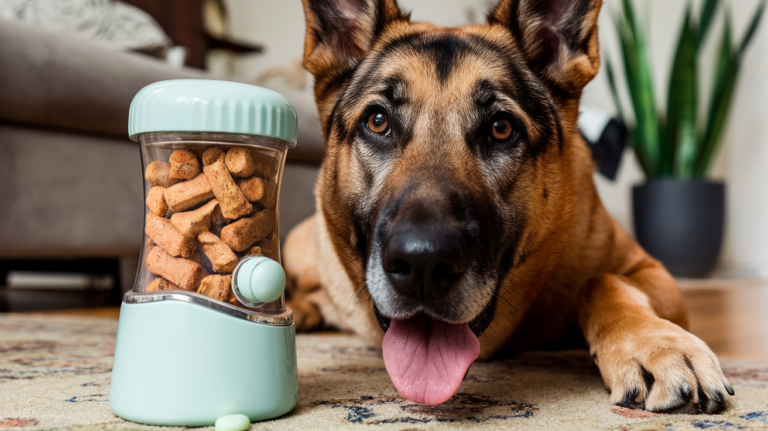
Small daily tweaks can create big changes. These simple adjustments support better health, calmer behavior, and a noticeably happier German Shepherd.
Owning a German Shepherd can feel like adopting a furry Einstein with endless energy and opinions about everything. These dogs have big feelings and even bigger needs. If your GSD seems restless, overly clingy, or has developed some quirky behaviors, they’re probably trying to tell you something important.
The secret to a happier German Shepherd isn’t complicated or expensive. Most struggling GSDs don’t need more stuff; they need more strategy. What follows are seven game-changing adjustments that address what these brilliant dogs actually crave. Your shepherd’s best life is closer than you think.
1. Switch to Multiple Shorter Walks Instead of One Long Marathon
You’ve probably heard that German Shepherds need tons of exercise. True enough. But here’s what nobody tells you: how you structure that exercise matters just as much as the total minutes.
Most owners default to one big walk per day, usually because it fits their schedule. Unfortunately, this leaves your GSD with 23 hours of monotony bookended by a single burst of activity. Their energy doesn’t work that way.
Breaking exercise into 2-3 shorter sessions throughout the day keeps your dog’s mind engaged and prevents the afternoon zoomies that destroy your living room. A 15 minute morning walk, a midday potty break with some training, and a 20 minute evening adventure creates rhythm and anticipation. Your shepherd learns to settle between activities instead of holding all that pent-up energy like a furry pressure cooker.
When you distribute activity throughout the day, you’re not just exercising your dog’s body. You’re teaching their nervous system that calm periods are normal, expected, and safe.
Plus, shorter walks mean you can explore different routes and environments more frequently. That maple tree down the block? It smells completely different at 7am versus 6pm. To your GSD’s nose, variety isn’t just the spice of life; it’s basically cable television.
2. Add Mental Stimulation Through “Job” Games
German Shepherds are working dogs in the most literal sense. They were bred to have jobs, make decisions, and solve problems. When you don’t provide mental work, they’ll create their own employment opportunities (usually involving your furniture or your neighbor’s cat).
The solution isn’t complicated: give them assignments. Hide treats around the house and let them “search and rescue” before dinner. Teach them to fetch specific toys by name. Create an obstacle course in the backyard where they navigate challenges for rewards.
| Mental Exercise | Time Required | Difficulty Level | Energy Burned |
|---|---|---|---|
| Hide and Seek Treats | 10-15 minutes | Beginner | Medium |
| Name That Toy Game | 15-20 minutes | Intermediate | Low |
| Puzzle Feeders | 20-30 minutes | Beginner | Low |
| Backyard Agility Course | 20-25 minutes | Advanced | High |
| Scent Work Training | 15-20 minutes | Intermediate | Medium |
The beauty of mental stimulation? A 15 minute brain game can tire your shepherd more effectively than a 45 minute walk. Their mind craves challenges the way their body craves movement. When both needs are met, you get a satisfyingly exhausted dog who’s too content to chew your baseboards.
3. Establish a Consistent Daily Routine (Yes, Really)
This might sound boring, but German Shepherds thrive on predictability. Their working heritage means they’re constantly scanning for patterns and expectations. When life feels random and chaotic, anxiety creeps in.
Your GSD doesn’t need excitement every moment; they need to know what’s coming next. Feed them at the same times. Walk at consistent hours. Create bedtime rituals. When Tuesday looks like Monday and Thursday mirrors Wednesday, your dog’s stress hormones take a vacation.
Think about it from their perspective: uncertainty is exhausting. Every unexpected event requires mental processing, decision making, and emotional regulation. When your shepherd knows that breakfast happens at 7am, walks occur at 3pm, and bedtime is 10pm, their brain can relax between events.
Routine isn’t restriction. For German Shepherds, predictability is the foundation of confidence and calm.
This doesn’t mean your life becomes rigid. It means the framework stays stable while adventures happen within it. Your GSD can handle surprises much better when they’re built on a foundation of reliability.
4. Upgrade Their Food Quality (Your Wallet Will Forgive You)
Let’s talk about what you’re scooping into that bowl twice a day. Many German Shepherds eat the nutritional equivalent of gas station snacks: technically food, but not exactly optimized for peak performance.
Premium dog food costs more upfront, but the math actually works in your favor. Higher quality ingredients mean better nutrient absorption, which means your dog needs less food per meal. Plus, you’ll spend less on vet bills addressing skin issues, digestive problems, and inflammatory conditions caused by cheap fillers and mystery proteins.
Look for foods where real meat (not meat meal or by-products) appears as the first ingredient. Avoid artificial colors, excessive grains, and ingredient lists that read like a chemistry experiment. Your German Shepherd’s coat, energy levels, and even their mood will transform within weeks.
And here’s the kicker: many behavior problems are actually diet problems in disguise. That inexplicable anxiety? Could be a food sensitivity. The constant itching? Probably inflammatory ingredients. The afternoon energy crash? Blood sugar rollercoaster from poor quality carbs.
5. Create a Dedicated “Chill Zone” in Your Home
German Shepherds are notorious for struggling with the concept of “doing nothing.” They’re always on duty, always alert, always ready to spring into action if you need protection from that terrifying Amazon delivery person.
Give your dog permission to relax by creating a specific rest area that’s theirs alone. This could be a crate with comfy bedding, a dog bed in a quiet corner, or even a designated room. The key is consistency: this spot means downtime.
| Chill Zone Element | Purpose | Example |
|---|---|---|
| Comfortable Bedding | Physical relaxation | Orthopedic dog bed or crate mat |
| Low Traffic Area | Reduced stimulation | Corner away from main walkways |
| White Noise or Music | Auditory calm | Classical music or fan |
| Familiar Scent Items | Emotional security | Your old t-shirt or favorite toy |
Train your shepherd to go to this spot on command, then reward calm behavior. Over time, they’ll learn that being vigilant 24/7 isn’t their job. You’re handling security. They can clock out and actually rest.
This becomes especially powerful during stressful situations. Guests visiting? Send your GSD to their chill zone. Thunderstorm brewing? Their safe spot already exists. You’re giving them a mental off switch, which every German Shepherd desperately needs but few receive.
6. Incorporate Training Into Daily Life (Not Just Sessions)
Most people think of training as something that happens during designated 20 minute sessions in the backyard. Then they wonder why their German Shepherd only obeys in that specific context.
Here’s the secret: training should be invisible and constant. Make your dog sit before meals. Practice “wait” at every doorway. Reinforce “leave it” during walks when they spot squirrels. Ask for a “down” before throwing their ball.
These micro-training moments accomplish multiple goals simultaneously. Your shepherd gets mental stimulation throughout the day. Commands become generalized across all situations. And you’re establishing leadership through structure rather than dominance.
The beauty? It costs zero extra time. You’re already feeding your dog, walking them, and playing with them. Simply add a training component to activities you’re doing anyway. Your GSD’s responsiveness will skyrocket, and they’ll feel purposeful instead of just… present.
Training isn’t about making your dog robotic. It’s about creating a common language that reduces frustration for both of you.
Plus, German Shepherds are absurdly smart. They get bored when they’re not learning. Continuous, low-key training keeps their brain engaged without the pressure of formal sessions. It’s education disguised as everyday life.
7. Increase Socialization Opportunities (Carefully and Intentionally)
German Shepherds are loyal to their people, sometimes to a fault. Without proper socialization, that loyalty can morph into reactivity, fear, or aggression toward anything unfamiliar. Your dog isn’t mean; they’re under-exposed.
The solution isn’t throwing your GSD into chaotic dog parks and hoping for the best. Controlled socialization means carefully chosen experiences that build confidence without overwhelming them. Think: calm walks in new neighborhoods, sitting outside (at a distance) while watching other dogs play, controlled introductions to stable, friendly dogs.
Quality beats quantity here. One positive interaction with a well-mannered dog teaches your shepherd more than ten stressful encounters with hyper, rude dogs. Same with people: a few calm, respectful humans who follow your guidelines are worth more than a crowd of strangers reaching for your dog’s face.
Watch your German Shepherd’s body language religiously. Stiff posture? Time to create distance. Relaxed mouth and wiggly body? You can move slightly closer. The goal is expanding their comfort zone gradually, like stretching a muscle. Push too hard and you’ll create setbacks that take months to undo.
As your shepherd gains experience, their world gets bigger and less threatening. That reactive dog who barked at everything? Given proper socialization, they become the calm, confident companion who can handle almost any situation. You’re not changing their personality; you’re giving them the tools to express their best self.