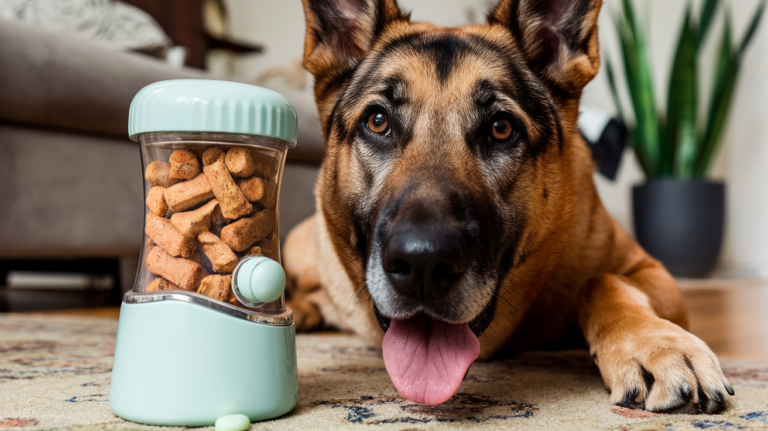
Jealousy in German Shepherds can show up in surprising ways. Here’s how to spot the signs early and help your dog feel secure and loved again.
Your German Shepherd just shoved their massive head between you and your partner during a hug. Coincidence? Probably not. These intelligent, loyal dogs don’t just bond with their humans; they become utterly devoted protectors who sometimes take “yours” a bit too literally. While we often associate jealousy with human emotions, our canine companions experience something remarkably similar.
German Shepherds are particularly prone to these possessive behaviors because of their breeding history. Originally developed to guard flocks and work closely with a single handler, they’re hardwired to form intense attachments. When they perceive a threat to that precious bond, whether it’s a new pet, a visiting friend, or even your smartphone, they’ll let you know.
1. The Physical Intervention Specialist
Your German Shepherd has mastered the art of becoming a literal barrier between you and whatever has captured your attention. This isn’t subtle. One moment you’re hugging your spouse or playing with another pet, and the next moment there’s 70 to 90 pounds of determined dog physically inserting themselves into the situation.
This behavior stems from their guarding instincts combined with resource guarding, except in this case, you are the resource. German Shepherds were bred to maintain close proximity to their charges and redirect threats. When they perceive another creature (or even an object) as competition for your affection, their solution is beautifully simple: eliminate the competition’s access.
When your German Shepherd positions themselves between you and others, they’re not just being pushy. They’re making a calculated statement about who belongs closest to you and who needs to step back.
How to Handle It:
Start by rewarding calm behavior when other people or pets receive your attention. If your GSD stays relaxed while you interact with others, immediately praise and treat them. You’re teaching them that good things happen when they don’t intervene. Practice controlled scenarios where you can predict and interrupt the behavior before it escalates. The moment you see them preparing to wedge themselves in, redirect with a command they know well, like “place” or “sit.”
Never physically punish or harshly scold this behavior, as it can increase anxiety and make the jealousy worse. Instead, consistently remove your attention when they push in, then restore it when they back off. German Shepherds are smart enough to understand this cause and effect quickly.
2. The Attention Demanding Performance Artist
Some dogs whine. Some dogs bark. Your German Shepherd puts on a full theatrical production designed to redirect your attention back where it belongs: on them. This might include dramatic vocalizations, pawing at you insistently, bringing toys and dropping them in your lap repeatedly, or even performing tricks you didn’t ask for.
The intensity of these performances often correlates directly with how engrossed you are in something else. Texting on your phone? Mild whining. Deep in conversation with a friend? Full operatic performance complete with multiple props and costume changes (okay, maybe not costumes, but the energy is there).
Common Attention Seeking Behaviors:
| Behavior | Intensity Level | What It Means |
|---|---|---|
| Gentle pawing | Low | “Hey, remember me?” |
| Toy presentation | Medium | “Let’s refocus on what matters” |
| Vocal complaints | Medium to High | “This is unacceptable” |
| Performing unsolicited tricks | High | “Look what I can do! PAY ATTENTION!” |
| Dramatic sighing/flopping | Variable | “I’m suffering here” |
How to Handle It:
The key is teaching an incompatible behavior. Train your GSD to go to a specific spot (their bed, a mat, a designated corner) and stay there when you’re occupied. Start this training when you’re not busy, so they learn it without the emotional charge of jealousy. Gradually increase the difficulty by practicing while you’re doing distracting activities.
Equally important: don’t accidentally reward the attention seeking. If you stop what you’re doing and give them attention after they’ve been demanding it, you’ve just trained them that the behavior works. Instead, ignore the performance completely until they settle, then call them over for affection on your terms.
3. The Selective Hearing Expert
Your normally obedient German Shepherd suddenly develops convenient amnesia when you give commands while paying attention to someone or something else. They “forget” basic commands like “sit,” “stay,” or “come” that they usually perform flawlessly. This isn’t stupidity or true disobedience; it’s a calculated protest.
Think of it as a doggy sit in strike. By refusing to comply, they’re expressing their displeasure with the current situation and attempting to regain control of your focus. When you have to repeat yourself multiple times or eventually approach them to enforce the command, they’ve successfully interrupted whatever else you were doing.
A German Shepherd who ignores commands they clearly know isn’t confused or stubborn. They’re making a deliberate choice, and that choice is usually rooted in emotional distress about your divided attention.
How to Handle It:
First, rule out any medical issues or genuine confusion by working with commands in neutral situations. If they perform perfectly when it’s just the two of you but “forget” everything when competition appears, you’ve identified jealousy as the culprit.
Practice obedience specifically during triggering situations. Have a friend come over and ask your GSD to perform commands while your friend has your attention. Start with easy commands and heavily reward compliance. Gradually increase difficulty as they learn that following commands during these situations actually leads to more attention and rewards, not less.
Consistency is absolutely critical here. Every time you let them ignore a command because “they’re just jealous,” you’re teaching them that jealousy trumps obedience. That’s a dangerous lesson for a powerful, intelligent breed like German Shepherds.
4. The Destructive Critic
When your attention goes elsewhere, suddenly your GSD discovers a passionate interest in redecorating. This might mean chewing items that belong to the “rival” (your partner’s shoes, the new puppy’s toys), destroying objects you frequently use, or engaging in destructive behaviors they normally wouldn’t consider.
This isn’t random chaos. German Shepherds are incredibly intelligent, and the items they target often have significance. They’re not just bored; they’re making a statement. The destruction typically occurs when you’re present but occupied, and it’s designed to force you to interrupt what you’re doing to deal with them.
How to Handle It:
Prevention comes first. If your GSD targets specific items or scenarios, manage the environment to reduce opportunities. Put away shoes, secure valuable objects, and use baby gates or crates when necessary. This isn’t giving in to the behavior; it’s preventing rehearsal of unwanted patterns while you work on the underlying issue.
Increase exercise and mental stimulation significantly. A tired German Shepherd is less likely to channel emotional energy into destruction. Before situations that trigger jealousy (like having guests over), take your dog for a serious run or engage in intensive training or play.
Teach a strong “leave it” command and practice it extensively with objects they might target. When you catch them considering destruction during a jealous episode, redirect to an appropriate outlet immediately. Keep high value chews and toys reserved specifically for times when you need to be occupied with something else.
5. The Velcro Dog Amplified
German Shepherds already tend toward being “velcro dogs” who follow their humans everywhere. When jealousy kicks in, this behavior intensifies to almost comical levels. Your GSD becomes your shadow’s shadow, maintaining physical contact or impossibly close proximity at all times. They’ll squeeze into spaces that clearly don’t accommodate a large dog, lie on your feet, rest their head on your lap, or position themselves so you literally cannot move without acknowledging them.
Intensity Levels of Velcro Behavior:
| Normal Following | Jealousy Induced Following |
|---|---|
| Stays in same room | Must maintain physical contact |
| Checks in periodically | Constant vigilance, never relaxes |
| Lies nearby | Lies ON you or blocks your path |
| Respects personal space | What personal space? |
| Can settle independently | Anxious until attention is restored |
This hypervigilant following often increases precisely when you’re trying to interact with the “threat.” If you’re cuddling another pet or spending time with a family member, your GSD materializes like a furry teleporter and simply will not leave.
How to Handle It:
Work on building independence gradually through “place” training and rewarding calm, distant behavior. Start by having your dog settle on their bed while you’re still in the room and not particularly occupied. Gradually increase your distance and the distraction level while maintaining their settle.
Create positive associations with separation. When you need to give attention elsewhere, give your GSD something valuable (a stuffed Kong, a special chew, a puzzle toy) that they only get during these times. They’ll begin to associate your divided attention with good things rather than deprivation.
For severe cases, consider working with a professional trainer on relaxation protocols. Teaching your German Shepherd to genuinely relax and feel secure even when you’re not focused on them is one of the most valuable skills they can learn.
6. The Aggressive Gatekeeper
This is the most concerning manifestation of jealousy and requires immediate attention. Your German Shepherd may display aggressive behaviors toward the perceived rival, including growling, snapping, lunging, or even biting. This might be directed at other pets, family members, visitors, or anyone who gets “too close” to you.
What distinguishes jealousy aggression from other types is its specific trigger: it happens when someone else receives your attention or affection, not in other contexts. Your GSD might be perfectly friendly with your spouse or another pet most of the time, but become aggressive the moment you show them affection.
This behavior is rooted in resource guarding (with you as the resource) combined with the breed’s protective instincts. German Shepherds take their guardian role seriously, and when jealousy is added to the mix, they may decide they need to actively drive away competition rather than simply inserting themselves.
Aggressive jealousy isn’t your German Shepherd being mean or dominant. It’s a fear based response that your crucial bond is threatened, combined with the instinct to guard what matters most. But regardless of the cause, it cannot be ignored or rationalized away.
How to Handle It:
This requires professional help. A certified dog behaviorist or veterinary behaviorist should evaluate aggressive jealousy, especially in a powerful breed like German Shepherds. These professionals can create a customized behavior modification plan and determine if medication might help reduce anxiety during training.
In the meantime, manage the environment ruthlessly. Prevent your dog from rehearsing the aggressive behavior by controlling interactions. Use barriers, leashes, and separation to ensure everyone’s safety while you work on the underlying issue.
Never punish aggressive jealous behaviors, as this typically increases anxiety and can make aggression worse or more unpredictable. Instead, work on counter conditioning and desensitization under professional guidance. Your GSD needs to learn that the presence of “rivals” predicts good things and that sharing you doesn’t mean losing you.
7. The Passive Aggressive Sulker
Not all jealousy manifests as dramatic action. Some German Shepherds take the opposite approach: they withdraw. When you give attention to someone or something else, your normally engaged and interactive dog becomes distant. They might refuse to make eye contact, turn away from you, move to another room, or simply lie down with an air of profound disappointment that could guilt trip a statue.
This sulking behavior is often accompanied by heavy sighing, sad eyes directed your way, and a generally mournful demeanor that suggests you’ve committed an unforgivable betrayal. When you try to engage them afterward, they might initially refuse to respond, making you work for their forgiveness.
While this seems less problematic than aggressive or destructive jealousy, it still indicates emotional distress and an unhealthy attachment dynamic. Your German Shepherd should be secure enough in your bond to tolerate your attention being elsewhere without shutting down.
How to Handle It:
Don’t fall into the trap of over compensating for the sulking. If you shower your GSD with attention every time they withdraw to “make them feel better,” you’re actually reinforcing the sulking behavior. Instead, maintain normal, positive interactions and don’t make a big production of their moodiness.
Build confidence through training, exercise, and enrichment activities that don’t revolve around you. German Shepherds are working dogs who thrive on having jobs and challenges. Provide puzzle toys, scent work, or training challenges they can complete independently. This builds self confidence and reduces over dependence on your constant attention.
Practice brief, neutral separations even when not triggered by jealousy. Leave the room for a few minutes, come back calmly, and reward relaxed behavior. This teaches your dog that your absence or divided attention isn’t a catastrophe; it’s just a normal part of life that always resolves with your return.
Remember, jealousy in German Shepherds isn’t a character flaw or a sign of a “bad” dog. It’s an emotional response from an intelligent, devoted animal who bonds intensely with their humans. With patience, consistent training, and sometimes professional help, you can help your GSD develop the confidence to share you gracefully without losing their wonderful loyalty and devotion.