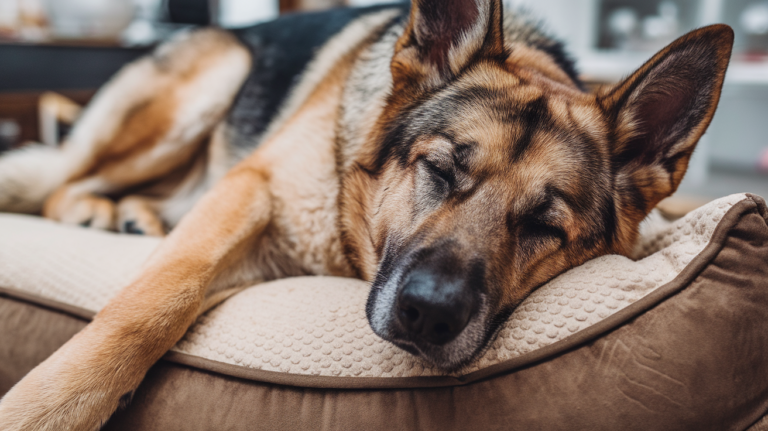
Feeling ignored hurts. Discover seven reasons your German Shepherd might feel neglected and how to fix it before it affects behavior.
You’ve had the longest day at work, you finally stumble through the door, and there’s your German Shepherd, looking… sad. Not sick, not injured, just genuinely disappointed in you. Sound familiar? Welcome to the guilt trip that every GSD owner knows all too well, because these dogs have mastered the art of making you feel their emotional state with just one look.
The thing about German Shepherds is they’re basically furry emotional barometers wrapped in 70 pounds of muscle and loyalty. They notice everything. That extra hour you spent on your phone? Noticed. The weekend trip where they got shuttled to the kennel? Definitely noticed and logged in their mental diary of betrayals. Let’s dig into why your four-legged shadow might be feeling like yesterday’s kibble.
1. You’ve Become a Workaholic Ghost
Let’s be brutally honest. If your German Shepherd sees you less than your mail carrier does, there’s a problem. These dogs didn’t sign up to be decorative furniture that occasionally gets fed. They signed up for a partnership, a real relationship where you’re present for more than just the thirty seconds it takes to refill their water bowl.
German Shepherds are working dogs at their core, which means they’re hardwired to be involved in your life. When you’re constantly absent or distracted, they don’t just miss you; they feel genuinely purposeless. It’s like hiring someone for their dream job and then never giving them any assignments. The emotional toll adds up quickly.
Your German Shepherd doesn’t understand “busy season” or “important deadlines.” They only understand that their favorite person keeps disappearing, and each absence chips away at their confidence that you’ll come back.
Consider this breakdown of time spent together:
| Activity | Ideal Weekly Time | Reality Check |
|---|---|---|
| Quality playtime | 7-10 hours | Maybe 2 hours? |
| Training sessions | 3-5 hours | “We did that once…” |
| Simple companionship | 20+ hours | Does sleeping count? |
| Adventure outings | 4-6 hours | Last month’s trip? |
The numbers don’t lie, and neither do those puppy dog eyes.
2. Physical Exercise Has Become an Afterthought
A tired German Shepherd is a happy German Shepherd. An under-exercised German Shepherd is a furry tornado of pent-up energy and resentment. These athletic powerhouses need serious physical activity, not a leisurely ten-minute stroll around the block where they spend eight minutes sniffing the same fire hydrant.
We’re talking about a breed that was designed to herd sheep across mountainous terrain all day long. Your GSD has the stamina of a marathon runner mixed with the enthusiasm of a toddler who just discovered sugar. When that energy has nowhere to go, it doesn’t just disappear into thin air. It manifests as destructive behavior, excessive barking, and a general vibe of “I’m not mad, I’m just disappointed.”
Think about your own mood when you’ve been cooped up too long. Now multiply that by a thousand because your dog can’t exactly hop in the car and drive to the gym when they’re feeling antsy. They’re completely dependent on you to provide those outlets, and when you don’t, they feel the neglect in every unused muscle.
3. Mental Stimulation Got Left on Read
Here’s something that blows people’s minds: German Shepherds can get bored. Like, seriously bored. We’re talking about one of the smartest dog breeds on the planet, capable of learning complex commands, solving puzzles, and probably doing your taxes if you taught them how. When you treat them like they’re decoration instead of the canine Einsteins they are, their mental health suffers.
A German Shepherd without mental challenges is like a genius stuck in a room with nothing but a blank wall for entertainment. They need problem-solving activities, training challenges, new tricks to master, and interactive games that make them think. Otherwise, they’ll create their own entertainment, and trust me, you won’t like their creative choices.
Intelligence without stimulation isn’t a gift; it’s a curse. Your German Shepherd’s big brain needs feeding just as much as their belly does, and mental hunger feels a whole lot like emotional neglect.
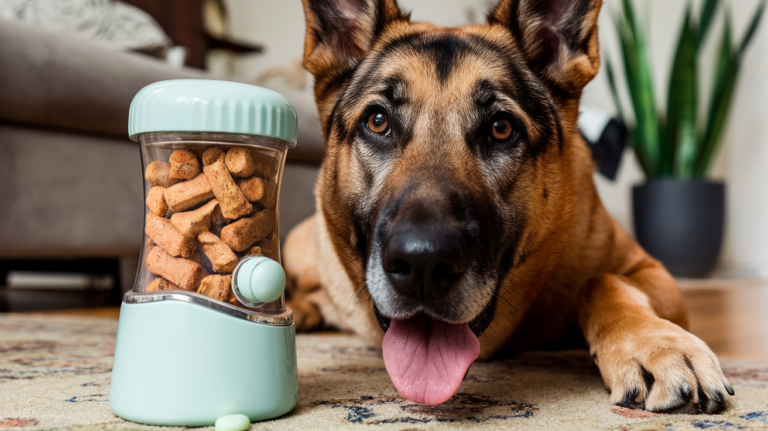
The tragedy is that mental exercise doesn’t require fancy equipment or tons of time. Hide and seek with treats, learning new commands, puzzle toys, even simple training refreshers can make a massive difference. But when you skip these entirely because you’re “too busy,” your dog doesn’t understand. They just know their brilliant mind is wasting away while they stare at the same four walls.
4. Inconsistent Attention Creates Emotional Whiplash
Nothing messes with a German Shepherd’s head quite like being showered with attention one day and completely ignored the next. These dogs thrive on routine and predictability. When you’re hot and cold with your affection, giving them tons of love on Saturday but barely acknowledging them during the work week, it creates genuine confusion and anxiety.
Imagine if your best friend only wanted to hang out when they felt like it, but expected you to be endlessly patient and understanding when they ghosted you for days. That’s essentially what inconsistent attention feels like to your GSD. They can’t rationalize your schedule or understand that “Mommy’s stressed about the presentation.” They just know that sometimes they matter to you and sometimes they apparently don’t.
This inconsistency breeds insecurity. Your German Shepherd starts wondering if they did something wrong, why your affection comes and goes like the tide, and whether they can actually count on you. Dogs are creatures of habit and pattern recognition, so when the patterns don’t make sense, their emotional stability takes a hit.
5. You Replaced Bonding Time with Guilt Gifts
Sure, you bought the fanciest bed, the premium kibble, and enough toys to stock a pet store. But here’s the gut punch: your German Shepherd would trade every material thing for more time with you. These dogs aren’t materialistic. They’re connection-driven, relationship-focused beings who measure wealth in belly rubs and adventures together.
Throwing money at the situation might ease your guilt, but it doesn’t fill the dog-shaped hole in your German Shepherd’s day. That $200 orthopedic bed? Cool, but they’d rather nap on the floor next to you. Those interactive toys? Fun for about ten minutes, then they’re back to waiting for you to come home. Material goods are poor substitutes for genuine companionship.
The painful truth is that trying to buy your way out of quality time sends a message, whether you intend it or not. It says “here’s some stuff to keep you busy while I do more important things.” Your German Shepherd doesn’t want stuff. They want you, your time, your energy, your undivided attention. Everything else is just filler.
6. Training and Structure Fell by the Wayside
German Shepherds are control freaks in the best possible way. They love knowing the rules, understanding their role, and having clear structure in their lives. When training sessions stop and boundaries get fuzzy, these dogs don’t celebrate their newfound “freedom.” They feel lost, anxious, and yes, neglected.
Structure isn’t restrictive for a German Shepherd; it’s reassuring. Rules aren’t punishment; they’re the framework that helps them understand their place in your pack and how to make you proud.
Think of it this way: your GSD is a straight-A student who suddenly stops getting homework or report cards. They don’t know if they’re succeeding anymore, can’t gauge your expectations, and lose that sense of achievement that comes from nailing a command or following the rules perfectly. The absence of training doesn’t feel like relaxation; it feels like abandonment of their development.
When you stop investing time in training, you’re essentially saying “I don’t care about your growth anymore.” That hurts. These dogs want to be challenged, want to learn, want to impress you with their skills. Taking that away removes a crucial element of your relationship and leaves them feeling undervalued and ignored.
7. Social Isolation Has Become the Norm
German Shepherds are often labeled as aloof with strangers, but that doesn’t mean they’re antisocial hermits who prefer solitude. These dogs need socialization, new experiences, and interaction with their environment. When your GSD’s world shrinks to just your house and maybe the backyard, they feel the isolation acutely.
Being kept away from other dogs, new people, different environments, and varied experiences is a form of neglect that often goes unrecognized. Your German Shepherd might be safe and fed, but they’re also bored, understimulated, and missing out on the rich, full life they’re capable of experiencing. Dogs are social animals who benefit enormously from appropriate interactions and novel situations.
The backyard isn’t enough. The same walking route every single day isn’t enough. Your German Shepherd needs adventures, even small ones. They need to smell new smells, see new sights, and occasionally interact with the world beyond their limited territory. Without this variety and social enrichment, life becomes monotonous and lonely, no matter how much they love you.
Your GSD might not be able to tell you they’re feeling neglected with words, but their behavior, their eyes, and their overall demeanor tell the story loud and clear. The beautiful thing? It’s never too late to recognize these issues and commit to being the human your German Shepherd believes you are. They’re still there, still loyal, still hoping you’ll show up for them the way they show up for you every single day.