Think you know German Shepherds? These common myths are busted, revealing the real truths about your loyal companion.
German Shepherds are victims of their own success. Because they’re so good at protection work and police duties, people assume they’re walking time bombs waiting to attack. Because they’re big and powerful, folks think they’re impossible to control. And because of irresponsible breeding, everyone believes the entire breed is doomed to hip problems.
None of this tells the full story. German Shepherds are complex, intelligent, and wildly misunderstood animals. The myths surrounding them do real damage, keeping wonderful dogs out of loving homes and perpetuating fear where there should be appreciation. Time to bust these myths for good.
1. German Shepherds Are Naturally Aggressive
This is probably the most damaging myth out there, and it needs to die. German Shepherds are not inherently aggressive dogs. What they are is protective, intelligent, and highly trainable. There’s a massive difference.
The confusion comes from their role as police and military dogs. When you see a GSD taking down a suspect or guarding a facility, you’re watching a dog doing exactly what it’s been trained to do. That same dog goes home and plays gently with children, snuggles on the couch, and acts like a complete goofball.
A German Shepherd’s temperament is shaped far more by training, socialization, and environment than by genetics. A well-raised GSD is confident, calm, and friendly.
The American Kennel Club breed standard actually describes German Shepherds as having a “direct and fearless” expression without being hostile. They’re supposed to be approachable and confident. When properly socialized from puppyhood, these dogs are fantastic with families, kids, and even other pets.
Poor breeding and lack of socialization can create nervous or reactive dogs, but this is true of literally any breed. The difference is that when a Chihuahua is poorly bred and undersocialized, people laugh it off. When it’s a German Shepherd, the entire breed gets blamed.
2. They All Have Terrible Hip Problems
Yes, hip dysplasia exists in the breed. No, it’s not a guarantee that your German Shepherd will develop it. This myth has scared countless potential owners away from an otherwise healthy breed.
Hip dysplasia became prevalent in German Shepherds due to irresponsible breeding practices during the breed’s explosion in popularity during the mid 20th century. Breeders prioritized appearance and quantity over health, creating lines with serious structural problems. But here’s what changed: responsible breeders started caring again.
Modern ethical breeders screen their breeding stock extensively. They use OFA (Orthopedic Foundation for Animals) certifications, perform hip radiographs, and only breed dogs with good hip scores. The result? German Shepherds from health-tested parents have significantly lower rates of hip dysplasia.
| Factor | Impact on Hip Dysplasia Risk |
|---|---|
| Responsible breeding with health testing | Dramatically reduces risk (up to 70% reduction) |
| Maintaining healthy weight | Reduces symptom severity by 40-50% |
| Appropriate exercise during growth | Prevents developmental issues |
| Quality nutrition | Supports proper joint development |
If you’re getting a German Shepherd from a reputable breeder who performs health testing, your odds of having a dog with serious hip problems are actually quite low. Add in proper nutrition, weight management, and appropriate exercise, and you’ve got an even better chance of a healthy, mobile dog well into their senior years.
3. German Shepherds Need Hours of Exercise Every Day
This myth creates unrealistic expectations and exhausted owners. While German Shepherds are absolutely working dogs with energy to burn, they don’t need to run marathons daily to be happy.
The truth is more nuanced. An adult German Shepherd typically needs 60 to 90 minutes of exercise per day, but this doesn’t mean nonstop running. A mix of walks, play sessions, and mental stimulation works beautifully. In fact, mental exercise is often more tiring for these intelligent dogs than physical activity alone.
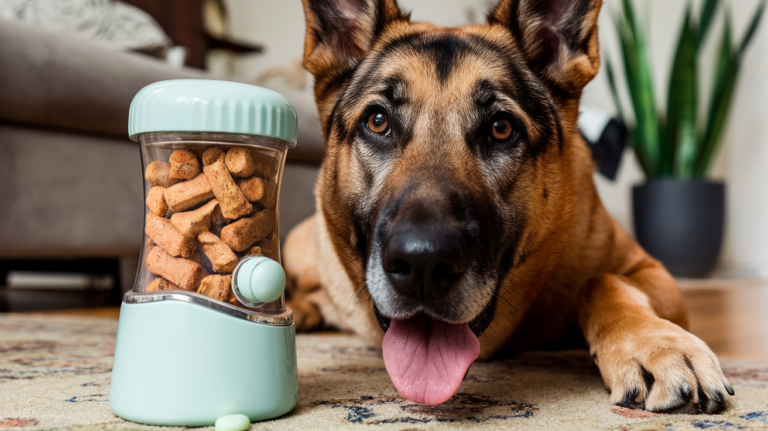
A 30-minute morning walk, some training sessions throughout the day, a game of fetch in the evening, and maybe a puzzle toy? That’s a satisfied German Shepherd right there. They’re actually quite adaptable to their family’s lifestyle, as long as they’re getting adequate activity and mental engagement.
The key to a calm German Shepherd isn’t exhausting them physically; it’s engaging their brilliant minds and giving them a job to do, even if that job is just learning new tricks.
Puppies need less structured exercise than adults, despite having more energy. Too much intense activity during their growth phase can actually damage developing joints. Short play sessions and controlled walks are ideal until they’re fully grown.
What German Shepherds really struggle with is boredom. Leave one alone in the backyard with nothing to do for hours, and yes, you’ll have problems. But that’s true of most intelligent breeds. Give them purpose, interaction, and reasonable activity, and they’re wonderfully well-adjusted companions.
4. They’re Too Smart to Train
This bizarre myth stems from people confusing intelligence with stubbornness. German Shepherds are incredibly smart, which makes them easier to train, not harder. They consistently rank in the top three most intelligent dog breeds, right alongside Border Collies and Poodles.
The confusion happens when inexperienced owners mistake a German Shepherd’s intelligence for defiance. These dogs think through commands and situations. They’re not blindly obedient robots; they’re problem solvers who want to understand the “why” behind what you’re asking.
When training feels difficult with a German Shepherd, it’s usually because:
- The training method is inconsistent
- The handler isn’t clear with commands
- The dog is bored with repetitive exercises
- There’s no real motivation or reward system
Once you understand that you’re working with a thinking dog rather than a simple follower, training becomes incredibly rewarding. German Shepherds excel at obedience, agility, protection work, search and rescue, and basically any task you can dream up. Police and military organizations don’t choose them by accident.
5. German Shepherds Are One-Person Dogs
This myth suggests that German Shepherds bond with only one person and remain aloof or unfriendly with everyone else. It’s partially rooted in truth but wildly exaggerated.
German Shepherds do often have a favorite person. They’re loyal dogs who tend to form especially close bonds with their primary caregiver or trainer. But this doesn’t mean they ignore or dislike other family members. These are pack animals who integrate beautifully into family structures.
What actually happens is that a German Shepherd will bond deeply with their entire family while perhaps showing slight preference for the person who feeds them, trains them, or spends the most time with them. They’re perfectly capable of being affectionate and responsive to multiple people.
| Myth Version | Reality |
|---|---|
| Loves only one person, tolerates others | Bonds with whole family, may have a favorite |
| Aggressive toward strangers always | Aloof with strangers initially, warms up appropriately |
| Can’t be rehomed successfully | Adaptable and can bond with new families when needed |
The “one person” reputation likely comes from working GSDs who are partnered with a single handler. In those contexts, the dog is trained to work primarily with one person. But that’s specialized training, not the dog’s natural temperament.
In family settings, German Shepherds are known for being wonderful with children, protective of all family members, and capable of taking direction from multiple people. They’re versatile, adaptable, and far more socially flexible than this myth suggests.
6. The Sloped Back Is Natural and Healthy
Walk into any dog show featuring German Shepherds and you might see dogs with extremely sloped backs and what looks like a crouching rear stance. Many people assume this exaggerated angulation is how the breed is “supposed” to look. It absolutely is not.
The original German Shepherds, bred by Max von Stephanitz in the late 1800s, had relatively straight backs and moderate angulation. They were working dogs built for endurance, agility, and strength. The extreme slope you see in some show lines today is a relatively modern development driven by arbitrary aesthetic preferences.
This exaggerated structure causes real problems. Dogs with severely sloped backs often have:
- Increased stress on the spine and rear joints
- Higher risk of degenerative myelopathy
- Reduced athletic ability and endurance
- Difficulty with stairs and jumping
- Earlier onset of mobility issues
The extreme sloped back seen in some show lines is a human-created deformity that compromises the dog’s health and working ability. It has nothing to do with the breed’s original form or function.
Thankfully, many breeders (especially those focused on working lines) are moving back toward the original, more moderate structure. Working line German Shepherds typically have straighter backs, better angulation, and far fewer structural problems. If you want a healthy GSD, look for breeders who prioritize function over exaggerated show trends.
7. German Shepherds Shed a Normal Amount
Oh, this is a myth alright, just in the opposite direction. People often underestimate how much German Shepherds shed, then find themselves drowning in fur within weeks of bringing their new dog home.
Let’s be crystal clear: German Shepherds shed an extraordinary amount. They have a double coat designed for all weather protection, and they blow that undercoat twice a year. But here’s the kicker… they also shed constantly between those major seasonal sheds.
You’ll find fur on your clothes, furniture, floors, in your food (somehow), on your car seats, and in places you didn’t even know fur could reach. People joke that German Shepherds don’t shed; they “German Shed,” which is its own category entirely.
Grooming helps manage the chaos but doesn’t eliminate it. Regular brushing (ideally daily during shedding season) removes loose undercoat before it decorates your entire house. Professional grooming, high quality nutrition, and tools like undercoat rakes become essential equipment.
Is the shedding manageable? Absolutely. Is it minimal? Not even close. Anyone telling you their German Shepherd barely sheds is either lying or has confused their dog with a statue. If you’re not prepared for serious, ongoing fur management, this isn’t the breed for you.
The upside? That double coat makes them weather resistant, provides insulation in both heat and cold, and is actually part of what makes the breed so adaptable to different climates. You just need to accept that you’re entering into a committed relationship with your vacuum cleaner.