Being alone doesn’t mean being bored. These simple ideas keep your German Shepherd mentally engaged and emotionally comfortable while you’re away.
You come home after a long day, and instead of finding chewed furniture or a stressed-out dog, your German Shepherd greets you calmly, happily tired from a day well spent. Sounds like a fantasy? It’s actually completely achievable when you understand what these brilliant dogs really need.
German Shepherds are problem solvers, protectors, and athletes all rolled into one gorgeous package. Leaving them alone without mental and physical outlets is like asking a marathon runner to sit still for eight hours. It’s not cruel, but it’s definitely not setting anyone up for success. The secret is working with your dog’s natural instincts, not against them.
1. Invest in Puzzle Toys That Actually Challenge Them
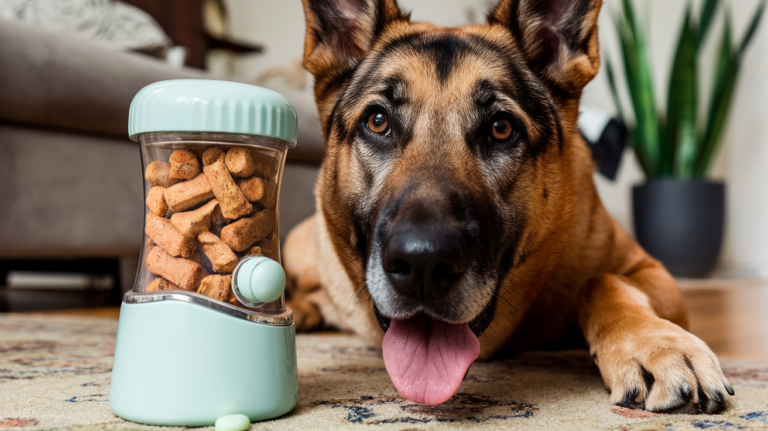
Regular toys? Your German Shepherd solved those in about three minutes. These dogs need puzzles that make them think. We’re talking about treat-dispensing balls that require specific movements, multi-level puzzle boards, or those tricky toys where they have to slide panels and lift flaps to get rewards.
The key is rotation. Even the best puzzle toy becomes boring when it’s available every single day. Keep a collection of 5-7 different puzzle toys and rotate them throughout the week. Your dog will stay engaged because there’s always something “new” to figure out.
The mental exhaustion from 15 minutes of puzzle solving can equal an hour of physical exercise for your German Shepherd’s busy brain.
Start with easier puzzles and gradually increase difficulty. You want your dog to succeed and feel accomplished, not get frustrated and give up. Some excellent options include the Nina Ottosson puzzle series, Kong Wobbler, or the Trixie Activity Flip Board. Fill them with high-value treats or part of their daily kibble ration.
Pro tip: Freeze puzzle toys overnight. This extends the entertainment time and provides a cooling activity during warmer months. Your GSD will spend significantly longer working to extract frozen peanut butter or wet dog food from puzzle compartments.
2. Create a Sniff and Search Environment
German Shepherds have approximately 225 million scent receptors (humans have about 5 million, for perspective). Their noses are sophisticated tools that need to be used. Scent work isn’t just fun; it’s deeply satisfying on an instinctual level for these dogs.
Before you leave, hide treats or pieces of kibble around your home in safe, accessible places. Start obvious: under a blanket corner, behind a door, on a low shelf. As your dog gets better at the game, increase the difficulty. You can also use snuffle mats, which are fabric mats with strips where treats hide, forcing your dog to use their nose to forage.
| Scent Work Difficulty Level | Hiding Spots | Recommended Treats |
|---|---|---|
| Beginner | On the floor, under towels, in plain sight | Large pieces, strong smell |
| Intermediate | Behind furniture, in cardboard boxes, under cushions | Medium pieces, moderate smell |
| Advanced | Inside puzzle toys, wrapped in towels, multiple rooms | Small pieces, requires focus |
The beauty of scent work is that it’s incredibly tiring for dogs. Twenty minutes of focused sniffing can wear out your German Shepherd as effectively as a mile run. Plus, it builds confidence and provides natural stress relief during your absence.
Some owners create “scent trails” by dragging a treat along the floor to different locations, with rewards at various points. Your dog follows the trail, engages their tracking instinct, and gets rewarded for using skills they were literally born to use.
3. Set Up Strategic Window Watching Stations
This might sound too simple, but hear me out. German Shepherds are guardian breeds with strong territorial instincts. Watching the world outside isn’t lazy behavior; it’s them doing what they were bred to do: monitoring their domain and staying alert to changes in their environment.
Position a comfortable bed, raised platform, or sturdy piece of furniture near a window with a good view. Make sure your dog can see street activity, passing people, birds, or squirrels. This provides hours of entertainment and gives them a “job” while you’re gone. They’re not just staring blankly; they’re working, tracking movements and staying vigilant.
Important consideration: Know your dog’s temperament. If window watching causes excessive barking or anxiety, this isn’t the right strategy for you. But for many GSDs, especially those properly socialized, watching the world provides calm, engaging stimulation without overexcitement.
You can enhance this by placing a bird feeder in view of the window. The constant activity of visiting birds gives your dog something endlessly fascinating to observe. Just make sure the window is secure and they can’t accidentally push through screens in their enthusiasm.
4. Interactive Cameras with Treat Dispensers
Welcome to the 21st century of dog ownership. Pet cameras have evolved far beyond simple monitoring devices. Modern interactive cameras let you see your dog, talk to them through two-way audio, and some even dispense treats remotely when you press a button on your phone.
The Furbo Dog Camera, Petcube Bites, and similar devices transform your lunch break into interactive play time. You can check on your German Shepherd, hear them, talk to them, and reward good behavior with treats. The sound of your voice provides comfort, and the unpredictable timing of treat dispensing keeps them interested throughout the day.
Intermittent reinforcement, where rewards come at unpredictable intervals, is one of the most powerful ways to maintain your dog’s engagement and interest.
Set reminders on your phone to interact with your dog a few times during your absence. Even 2-3 brief interactions can break up their day significantly, providing moments of excitement and connection that help them feel less isolated.
Some cameras also have laser pointers (use cautiously, as some experts debate their appropriateness for dogs) or allow you to play pre-recorded messages. The goal isn’t to be present constantly but to provide periodic touchpoints that remind your dog they haven’t been forgotten.
5. Long-Lasting Chews and Food-Dispensing Toys
Sometimes the simplest solutions are the most effective. A really good, safe, long-lasting chew can occupy your German Shepherd for an impressive amount of time. We’re talking bully sticks, yak chews, frozen Kongs stuffed with layers of different foods, or beef trachea.
The key word here is safe. Avoid cooked bones that can splinter, anything small enough to swallow whole, or excessively hard items that might crack teeth. Consult with your vet about appropriate chews for your specific dog, especially if they’re aggressive chewers.
Kong stuffing strategies get creative:
- Layer kibble, peanut butter, and banana, then freeze overnight
- Mix plain yogurt with blueberries, freeze in the Kong
- Stuff with canned dog food and top with a treat, freeze solid
- Add layers: wet food, then kibble, then cheese, creating a complexity that takes time to unravel
A properly stuffed, frozen Kong can provide 45 minutes to over an hour of focused chewing and licking. For a German Shepherd alone for eight hours, prepare 2-3 of these to distribute throughout the day using timed dispensers or simply leave them in different locations for your dog to discover.
Rotate chew types to maintain interest. Monday might be a bully stick, Wednesday a yak chew, Friday a stuffed Kong. Variety prevents boredom and keeps each option feeling special and exciting.
6. Background Noise and Calming Music
Silence can be stressful for dogs accustomed to household activity. The sudden absence of familiar sounds might increase anxiety, making alone time more difficult. Background noise provides comfort and can mask startling external sounds that might trigger barking or stress.
Dog-specific music services like Through a Dog’s Ear or iCalmPet create soundtracks specifically designed for canine hearing and psychology. These aren’t just random classical music playlists; they’re engineered with tempos and frequencies shown to reduce canine anxiety.
Alternatively, leave a television or radio on, tuned to calm programming. Nature documentaries, cooking shows, or soft music stations work well. Avoid action movies or news programs with sudden loud noises or stressful content. The goal is soothing background presence, not stimulation.
Some owners use white noise machines or apps that play rain sounds, ocean waves, or gentle thunder. These consistent, predictable sounds can be particularly effective at masking startling external noises like car doors slamming or delivery trucks that might otherwise send your GSD into alert mode.
Volume matters: Keep it at normal conversational level. Too quiet defeats the purpose; too loud can be agitating rather than calming.
7. Consider Professional Mid-Day Help
Sometimes the best solution involves bringing in reinforcements. A dog walker, pet sitter, or even a trusted neighbor who comes by once during your absence can transform your German Shepherd’s day completely.
A 20-30 minute midday walk breaks up those long hours, provides bathroom relief, offers exercise, and gives your dog valuable social interaction. For high-energy GSDs, this might be the difference between destructive boredom and contented rest.
Services like Rover or Wag make finding reliable dog walkers relatively easy, though personal recommendations from other dog owners in your area are often more trustworthy. Some professional dog walkers offer webcam proof of walks or send photos and updates, giving you peace of mind during your workday.
If professional services aren’t in your budget, explore alternatives: neighbor kids looking for after-school jobs, retired individuals who love dogs, or even a dog-loving friend who works from home and wouldn’t mind a canine visitor for part of the day.
Cost comparison: Professional walking services typically range from $15-35 per visit depending on your location and duration. Weigh this against potential costs of anxiety-related destruction, medical issues from inadequate exercise, or behavioral problems that might require training intervention later. Prevention is almost always less expensive than correction.
For German Shepherds specifically, the combination approach works best. Don’t rely on just one strategy; layer several together to create a comprehensive entertainment ecosystem. Perhaps puzzle toys in the morning, scent work they discover mid-morning, a midday walker visit, long-lasting chews in the afternoon, and soothing music throughout the day.
Every German Shepherd is unique, with different energy levels, preferences, and needs. Some are perfectly content with a couple of good chews and a window view, while others need maximum enrichment to prevent destructive behavior. Pay attention to what works for your specific dog, adjusting your strategy based on how they behave when you return home.
The goal isn’t perfection; it’s progress. Each small improvement in how your GSD spends their alone time contributes to their overall wellbeing, your peace of mind, and a harmonious household where everyone thrives.7 Fun Reasons German Shepherds Are Better Than Cats