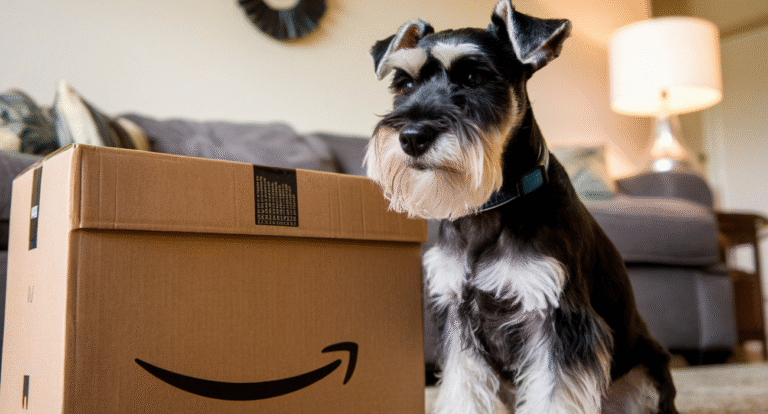
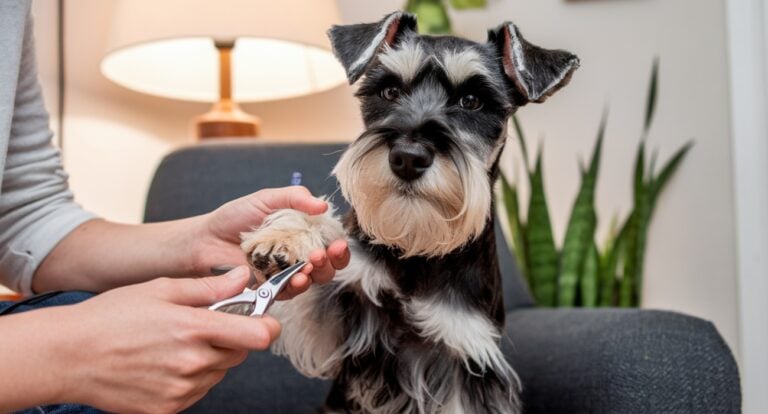
Protect your Schnauzer by learning about seven everyday items in the home that can turn dangerous—some surprises could be lurking close by.
Introduction 1:
Schnauzers are notorious for two things: their spectacular beards and their ability to find trouble in the most unexpected places. While you’re worried about them barking at the mailman or stealing socks, there’s a much more serious concern lurking in your home. The average house contains dozens of items that could poison your pup, and most owners have no idea.
Before you panic and bubble wrap your entire living space, take a breath. Knowledge is power, especially when it comes to keeping your whiskered companion safe. Let’s dive into the surprisingly dangerous everyday items that could harm your Schnauzer.
1. Xylitol: The Silent Killer in Your Pantry
You know what’s absolutely wild? That sugar substitute in your “sugar free” gum could literally kill your Schnauzer. Xylitol is everywhere these days: gum, candy, peanut butter, toothpaste, baked goods, and even some medications. For humans, it’s a harmless sweetener. For dogs, especially smaller breeds like Schnauzers, it’s catastrophically toxic.
When a dog ingests xylitol, their body mistakes it for real sugar and releases a massive amount of insulin. This causes a dangerous drop in blood sugar within 10 to 60 minutes. We’re talking seizures, liver failure, and death if not treated immediately. The scary part? It doesn’t take much. A single piece of gum can be enough to harm a Miniature Schnauzer.
The amount matters less than you think. Even tiny quantities of xylitol can trigger a medical emergency that requires immediate veterinary intervention.
Always check ingredient labels obsessively. Store xylitol containing products in places your Schnauzer absolutely cannot reach, even if they decide to channel their inner acrobat. And if you suspect they’ve gotten into anything with xylitol, don’t wait to see if symptoms develop. Get to the vet now.
2. Essential Oils: Not So Essential for Dogs
The wellness industry has convinced everyone that essential oils are natural, therefore safe. Your Schnauzer’s liver would like to strongly disagree. These concentrated plant extracts can cause serious toxicity in dogs, particularly when applied directly to their skin, ingested, or even just inhaled in high concentrations.
Tea tree oil, wintergreen, ylang ylang, pennyroyal, and pine oils are especially dangerous. Symptoms of essential oil poisoning include drooling, vomiting, tremors, difficulty walking, and respiratory distress. Schnauzers, with their curious nature and tendency to investigate everything with their mouths, are particularly at risk.
Here’s what makes this tricky: you might not even realize you’re exposing your dog. That diffuser you’re running 24/7? Could be problematic. The “natural” flea treatment? Potentially toxic. Even some cleaning products marketed as pet friendly contain essential oils at unsafe concentrations.
| Oil Type | Toxicity Level | Common Products Found In |
|---|---|---|
| Tea Tree Oil | High | Shampoos, skin treatments, household cleaners |
| Wintergreen | High | Muscle rubs, air fresheners, candies |
| Pennyroyal | Severe | Flea treatments, herbal supplements |
| Citrus Oils | Moderate | Cleaners, air fresheners, furniture polish |
| Eucalyptus | Moderate to High | Diffusers, cough remedies, insect repellents |
3. Grapes and Raisins: Tiny Fruits of Doom
This one’s frustratingly mysterious because scientists still don’t fully understand why grapes and raisins are toxic to dogs. But here’s what we do know: they can cause acute kidney failure, and there’s no safe amount. One Schnauzer might eat a handful and be fine; another might have kidney failure from a single grape. You cannot predict it.
Early symptoms include vomiting, diarrhea, and lethargy within 12 hours. Then comes the really scary stuff: decreased urination, abdominal pain, and dehydration as the kidneys start shutting down. This isn’t a “wait and see” situation. If your Schnauzer eats grapes or raisins, you need veterinary care immediately, even if they seem perfectly fine.
The sneaky thing about grapes and raisins? They hide in lots of foods. Trail mix, granola, fruit salad, baked goods, and even some brands of dog treats (seriously, check those labels). Your Schnauzer doesn’t need to raid a fruit bowl to get into trouble.
4. Onions and Garlic: Flavor Bombs and Health Hazards
Everything in the allium family (onions, garlic, leeks, chives, shallots) contains compounds that destroy red blood cells in dogs. This causes hemolytic anemia, which basically means your Schnauzer’s blood can’t carry oxygen properly. Cooking these ingredients doesn’t neutralize the toxins, and they’re incredibly concentrated in powdered forms.
Garlic bread, French onion soup, baby food with onion powder, seasoned meats, pizza, pasta sauce, Chinese takeout. The list of foods containing these ingredients is staggering, and many pet parents have no idea they’re dangerous.
The tricky part is that symptoms don’t show up immediately. It can take several days before you notice lethargy, weakness, decreased appetite, pale gums, or reddish urine. By then, significant damage may have already occurred. Treatment often requires blood transfusions and hospitalization.
Schnauzers are particularly vulnerable because of their size, but also because they tend to be very food motivated. That sad little face when you’re eating pizza? Stay strong. The garlic in that sauce isn’t worth the risk.
5. Ibuprofen and Other NSAIDs: The Medicine Cabinet Menace
Human pain medications are astonishingly dangerous for dogs. Just one or two pills of ibuprofen can cause stomach ulcers, kidney failure, and neurological problems in a Schnauzer. Naproxen is even worse, lasting longer in a dog’s system and causing more severe damage.
People accidentally poison their dogs with these medications all the time. Maybe they think a small dose will help with joint pain, or a pill drops on the floor and the dog swallows it before they can react. Some dogs even chew through pill bottles left on nightstands or in purses.
The damage happens fast. Within hours, your Schnauzer could be experiencing vomiting, bloody stool, abdominal pain, and kidney failure. There is no safe dose of human NSAIDs for dogs. None. Zero. If your dog needs pain relief, your vet will prescribe something appropriate and safe. Never, ever give them your medication.
6. Antifreeze: Sweet Death in the Garage
Ethylene glycol, the main ingredient in most antifreeze products, tastes sweet to dogs. This is an absolutely diabolical combination because it means dogs will actively seek it out and drink it willingly. Even a tiny amount (think a couple of tablespoons for a Miniature Schnauzer) can be lethal.
The progression is horrifying. Within 30 minutes to 12 hours, your dog seems drunk: wobbly, disoriented, nauseous. Then they might seem to recover for a bit. But internally, the antifreeze is crystallizing in their kidneys, causing irreversible damage. Without immediate treatment (we’re talking within hours of ingestion), most dogs die.
Check your garage floor, your driveway, and anywhere you park your car. Look for that telltale green or orange puddle. Even dried residue can be dangerous if licked.
Store antifreeze in sealed containers in cabinets your Schnauzer cannot access. Clean up any spills immediately and thoroughly. Consider switching to propylene glycol antifreeze, which is less toxic (though still not safe to drink). And if you even suspect antifreeze ingestion, rush to the emergency vet. This is a race against time, and early treatment is the only thing that can save your dog.
7. Macadamia Nuts: Mysterious Toxicity
Here’s another one that baffles scientists: macadamia nuts are toxic to dogs, but nobody knows exactly why. What we do know is that they cause weakness, vomiting, tremors, and hyperthermia. The good news? It’s rarely fatal. The bad news? Your Schnauzer will feel absolutely miserable for 12 to 48 hours.
Symptoms usually appear within 12 hours of eating the nuts. Your dog might suddenly be unable to walk properly, especially in their hind legs. They might vomit, develop a fever, or seem extremely lethargic. It’s alarming to witness, even though most dogs recover fully with supportive care.
The real danger comes from where macadamia nuts appear: cookies, especially white chocolate macadamia nut cookies (combining two toxins), trail mix, baked goods, and fancy cheese plates. Your Schnauzer doesn’t need to eat many to get sick; as few as six nuts can cause symptoms in a small dog.
| Toxic Item | Dangerous Dose | Time to Symptoms | Severity |
|---|---|---|---|
| Xylitol | 0.1g per kg of body weight | 10 to 60 minutes | Critical, often fatal |
| Grapes/Raisins | Unknown (any amount risky) | 12 to 24 hours | Critical, kidney failure |
| Ibuprofen | 1 to 2 pills (200mg each) | 2 to 6 hours | Severe, organ damage |
| Antifreeze | 2 tablespoons for small dogs | 30 minutes to 12 hours | Critical, usually fatal untreated |
| Macadamia Nuts | 6 nuts for small dogs | 12 hours | Moderate, rarely fatal |
The bottom line? Your Schnauzer is counting on you to be their advocate and protector. They don’t know that the peanut butter you’re about to share contains xylitol, or that the delicious smelling liquid in the garage could kill them. Create a safe environment, stay educated about potential toxins, and keep your vet’s emergency number readily accessible. Your bearded friend’s life might literally depend on it.